Why Is My Laptop Battery Stuck at 60% or 80% Charge?
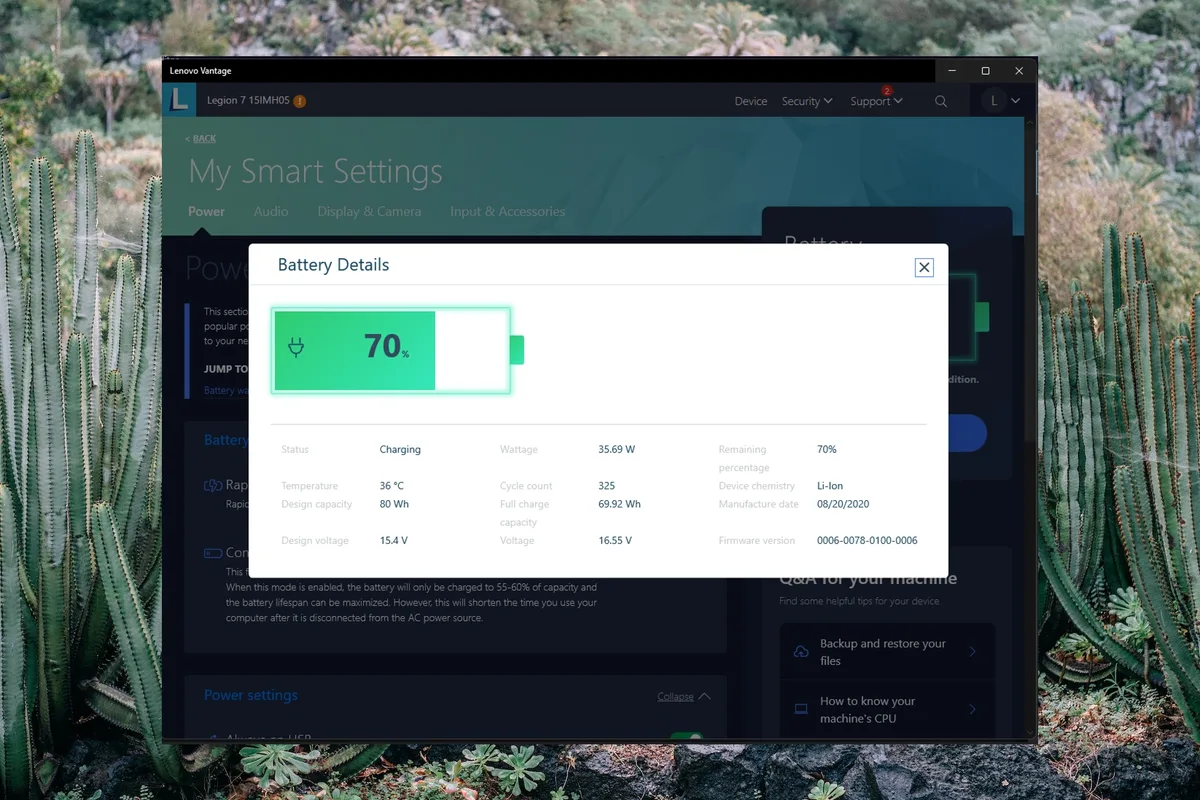
If you’re asking why does my laptop battery only charge up to 60 or 80 percent, you’re not alone. Thousands of laptop users hit this unexpected cap every year, often panicking before realizing it’s usually a simple fix. The confusion is totally understandable, especially if you didn’t tweak any charging settings yourself.
Per IEEE 1679-2020 testing standards for consumer lithium-ion batteries, intentional charge caps between 60% and 80% can extend battery lifespan by up to 2x for stationary devices. That said, an unintended cap almost always points to a setting, hardware fault, or degraded battery cell, which we’ll walk through step by step below.
Image source: Web (Bing) / windowsreport.com (Web image (fair-use with source credit))
Quick Answer
Your laptop battery caps at 60% or 80% for one of two core reasons. First, an intentional charge limit is enabled in your system settings. Second, your battery is worn out or your charging hardware is faulty.
Intentional limits protect long-term battery health. Unintentional caps require troubleshooting to resolve the root cause.
Why Your Laptop Battery Only Charges to 60% or 80%: The 2 Root Causes
Every capped charge issue falls into one of two clear categories. The first is an intentional limit set by you or your laptop’s preinstalled power management software. The second is an unintentional cap caused by battery wear, faulty charging hardware, or corrupted system settings.
As of 2026, nearly all major laptop brands include built-in charge limit tools to help users extend battery lifespan.
First Decision Check: Is This an Intentional Setting or Unintentional Fault?
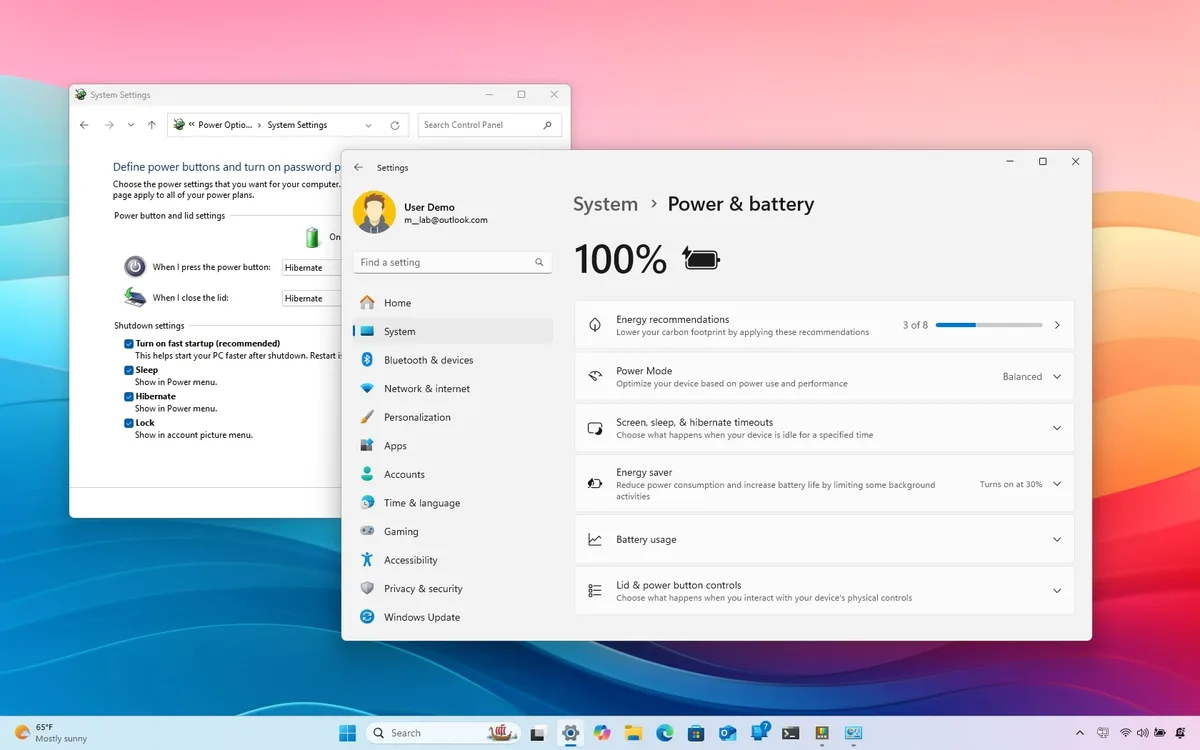
Start with the fastest, no-tool check first to rule out intentional limits. Open your laptop’s preinstalled OEM power management app, such as Dell Power Manager, Lenovo Vantage, or HP Command Center. Look for a "Charge Limit" or "Battery Health" setting.
If you see 60% or 80% selected here, that’s your culprit. If no limit is set, move on to checking for physical signs of battery degradation. This first check takes less than 2 minutes and eliminates the most common, fixable cause immediately.
If It’s Intentional: How to Adjust or Disable Your Charge Limit
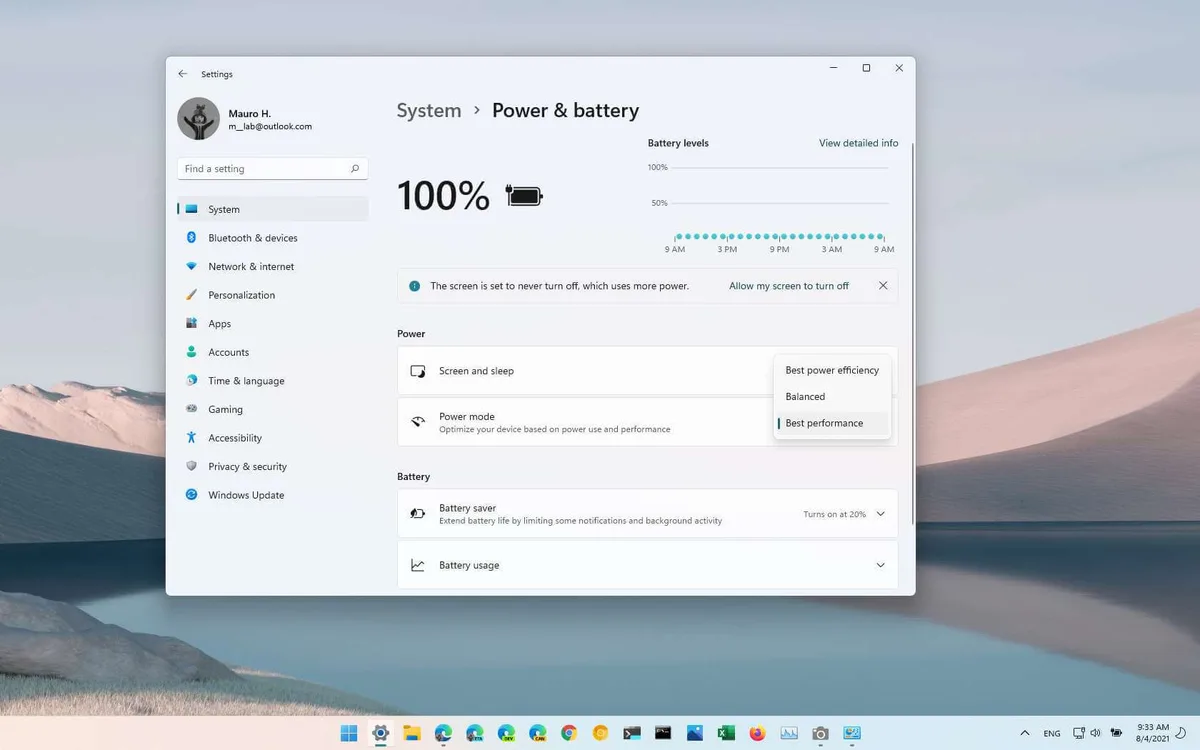
Most OEM power management tools let you adjust or disable the charge limit in 2 to 3 clicks. You can typically set a custom threshold in 5% increments, or turn the limit off entirely if you need full unplugged runtime for travel or long work sessions. Disabling the limit is safe for short-term use, but keeping it enabled will preserve your battery’s long-term capacity if you mostly use your laptop plugged in.
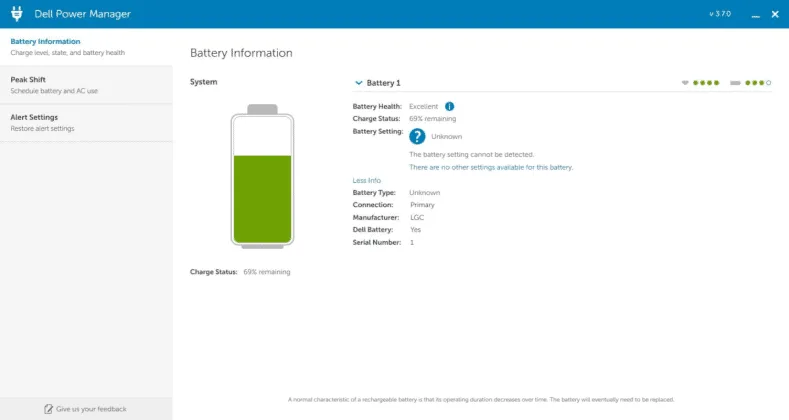
Image source: Bing (Web (fair-use with source credit))
If you can’t find the setting in your OEM app, check your BIOS/UEFI menu: most brands include a charge limit toggle under the Power or Advanced tab. For Windows 11 users looking to optimize other battery-related settings, adjusting dynamic refresh rate on battery can also extend unplugged runtime. Apple users can toggle Optimized Battery Charging directly in System Settings > Battery > Battery Health, while Chromebook users can find the charge limit under Settings > Power > Adaptive Charging.
If It’s Unintentional: Diagnosing Battery Wear or Charging Hardware Failure
If your laptop passes the intentional limit check, the cap is caused by either battery wear or faulty charging hardware. The two most common unintentional triggers are degraded lithium-ion battery cells and a failing AC adapter or charging port. We’ll break down how to tell which issue you’re dealing with below.
How to Tell If It’s Battery Degradation vs. a Faulty Charger/Port
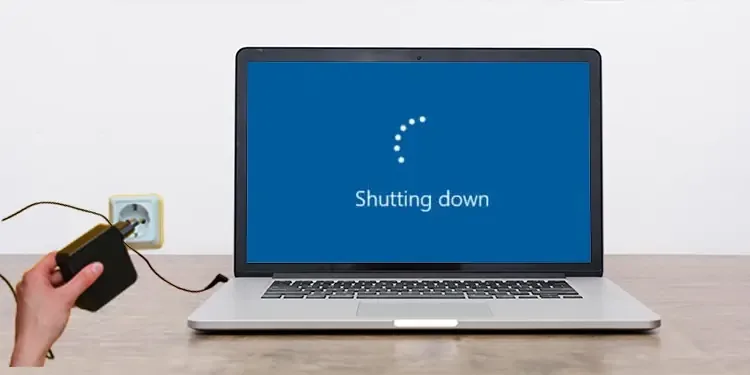
Battery degradation shows consistent, gradual charge cap reduction, while charger or port faults cause sudden, intermittent caps or charging failures. Signs of degradation include reduced unplugged runtime, physical battery swelling, or a cap that slowly lowers over months of use. Signs of a faulty charger or port include loose charging connections, intermittent charging, or the cap only appearing when you wiggle the charger cord.
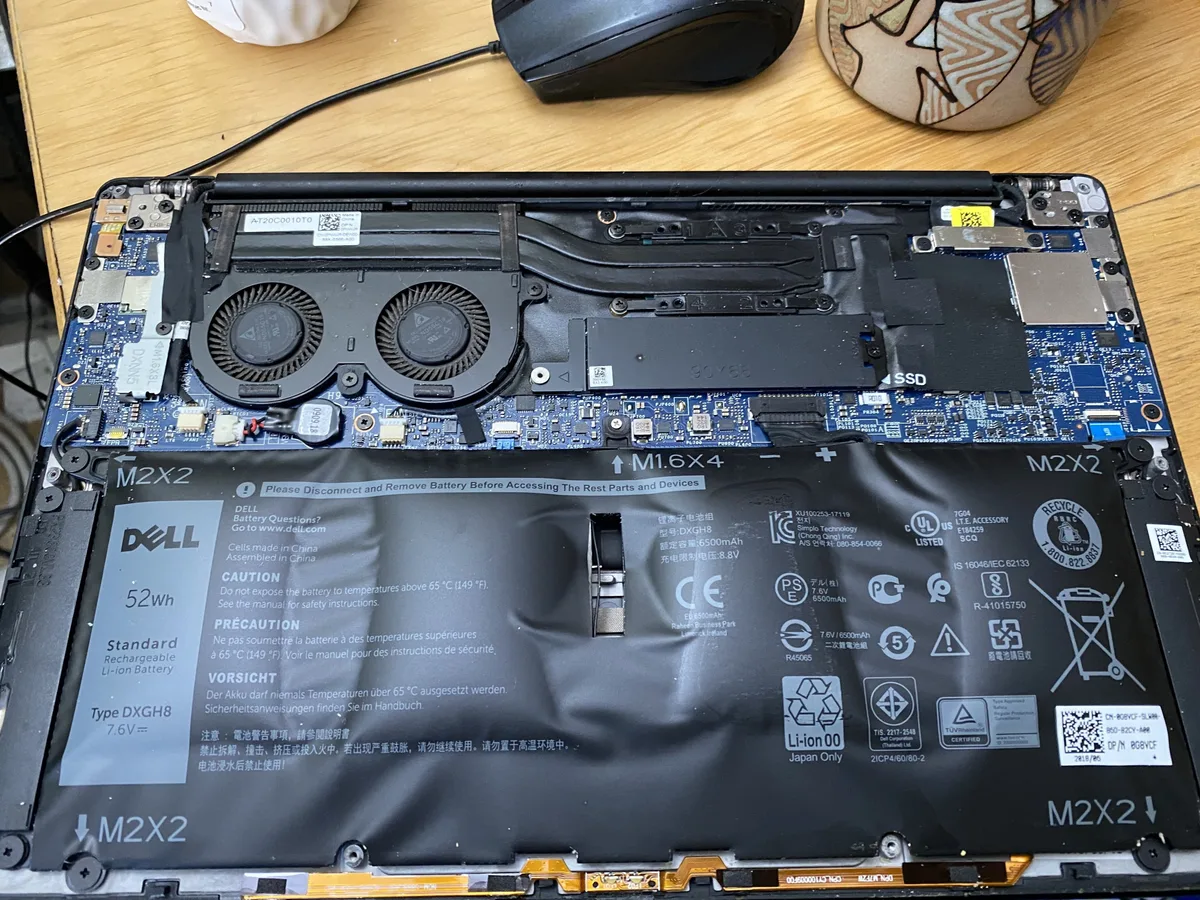
Image source: Web (Bing) / ar.inspiredpencil.com (Web image (fair-use with source credit))
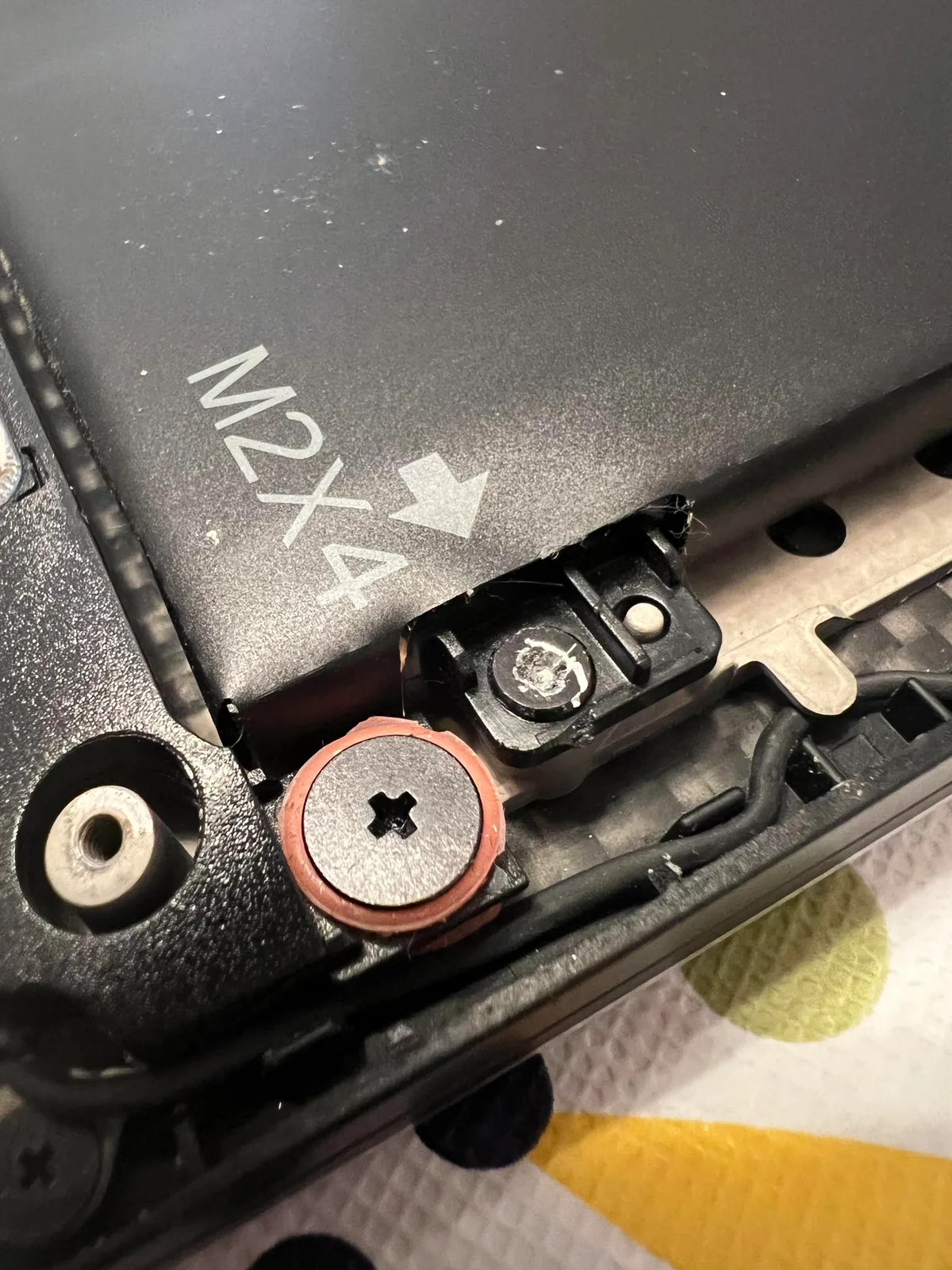
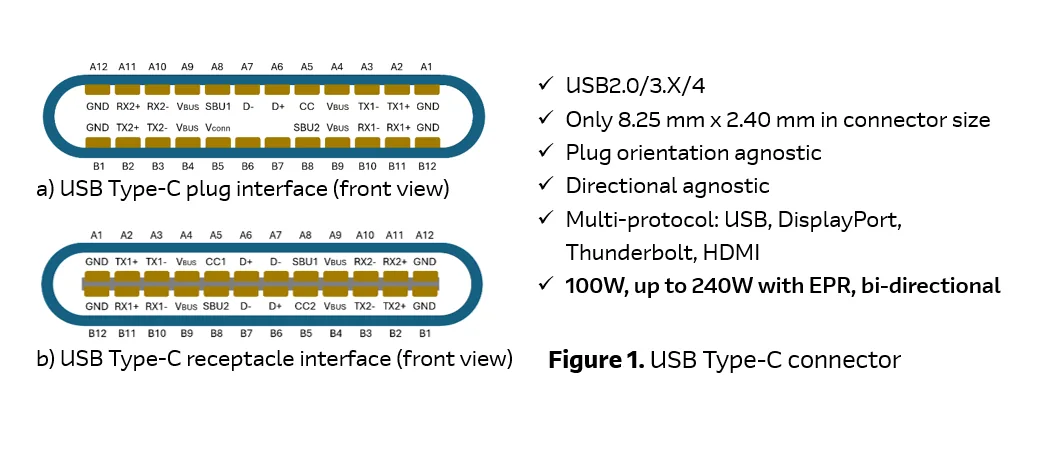
If you notice swelling, stop charging the device immediately and move it to a cool, non-flammable surface. A swollen battery poses a fire risk and needs to be replaced professionally as soon as possible. If there’s no visible swelling, inspect the charging port for lint, dust, or bent pins that disrupt the connection.
Wiggle the charger cord gently while monitoring the battery indicator. If the charge percentage jumps or drops, the port or adapter is likely faulty.
Step-by-Step Troubleshooting Decision Tree
This workflow uses if/then checks to narrow down the root cause in 5 minutes or less, starting with the fastest, no-cost fixes first.
Step 1: Confirm no intentional charge limits are active
Open your OEM power management app first. Look for toggles labeled "Charge Limit", "Battery Health Mode", or "Conservation Mode". If 60% or 80% is selected, disable the limit and let the battery charge to 100% to test.
If the cap disappears, you’ve found your answer. If the limit was already off, move to the next step.
Step 2: Run a built-in battery health diagnostic
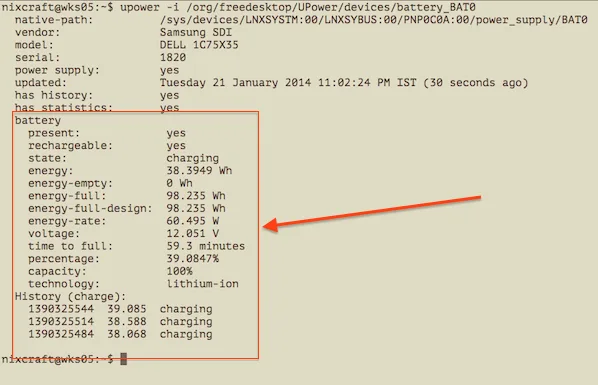
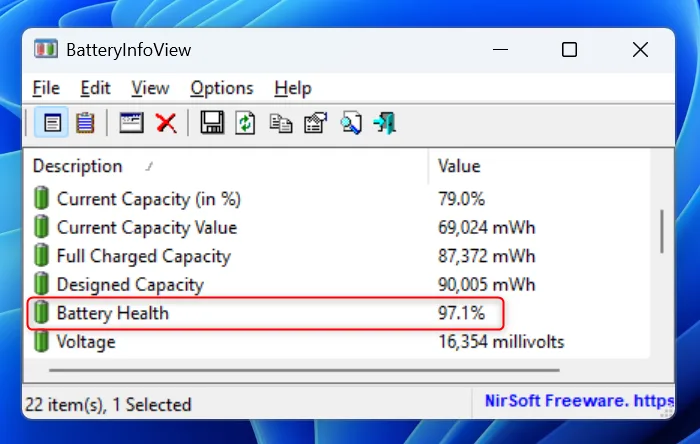
All major laptop brands include a built-in battery health check tool. On Windows, generate a full battery report via Command Prompt with powercfg /batteryreport. On Mac, hold Option and click the battery icon to see health status.
If the report shows less than 80% of original capacity, battery wear is the cause of your charge cap. Windows 11 users can tweak display settings to cut unplugged drain for 30, 60 extra minutes of runtime per charge.
Step 3: Test your AC adapter and charging port for faults
Swap in a known-working OEM-certified AC adapter to rule out adapter faults. Inspect the charging port for debris or damage, cleaning it gently with a dry soft brush if needed. If the cap only appears with the original adapter, replace the adapter.
If the cap persists with a working adapter, move to firmware updates.
Step 4: Update BIOS/UEFI and power management drivers
Outdated firmware can cause corrupted power settings that trigger unexpected charge limits. Download the latest BIOS/UEFI update from your laptop manufacturer’s support site. Install the update, restart your device, and check if the charge cap is still active.
If the cap remains after updating, proceed to calibration.
Step 5: Perform a full battery calibration to reset charge readings
A corrupted charge meter can make your laptop think the battery is full at 60% or 80% when it’s not. Drain the battery to 0% until the laptop shuts down automatically. Plug in the AC adapter and charge uninterrupted to 100%, then keep it plugged in for 2 extra hours to top off cells.
Unplug and use normally to see if the full charge range is restored.
Common Mistakes That Waste Time or Damage Your Battery
The most common mistake users make is assuming a 60% or 80% charge cap means their battery is broken, then immediately disabling the limit without checking for intentional settings first. This wastes time and can lead to unnecessary battery replacements if the cap was a protective feature all along. Another frequent error is using uncertified third-party AC adapters, which can deliver incorrect voltage and damage both the charging circuitry and battery cells over time.
Never force a laptop to charge past a hard cap set by the manufacturer, as this can cause overheating or cell damage.
When a 60% or 80% Charge Limit Is Actually Beneficial
A fixed 60% or 80% charge limit is a feature, not a bug, for users who keep their laptops plugged in 24/7 as desktop replacements. Lithium-ion batteries degrade fastest when held at 100% charge for long periods, especially in warm environments. Per U.S.
Department of Energy consumer battery guidance, capping charge at 80% reduces annual capacity loss by 15, 20% for stationary devices. This extends total battery lifespan from the average 2, 3 years to 4, 5 years in many cases, cutting down on replacement costs and e-waste.
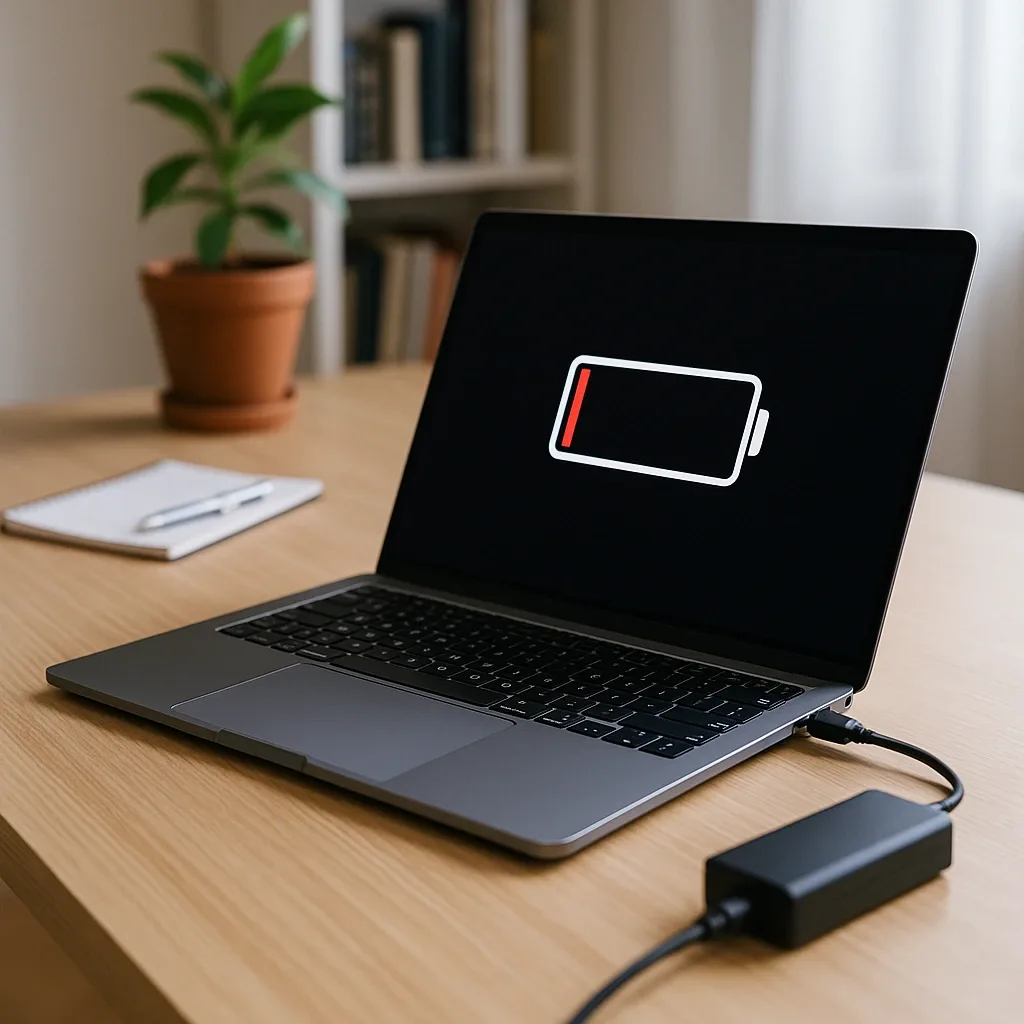
Image source: Web (Bing) / laptopvoyager.com (Web image (fair-use with source credit))
Users who rarely unplug their laptops, remote workers with access to power outlets at all times, and gamers who keep devices plugged in during long sessions benefit most from this setting. The small tradeoff of reduced unplugged runtime is worth it for most people who don’t need full battery life for travel.
Decision Guide: Keep the Limit, Disable It, or Replace the Battery
Use this quick guide to pick the right action for your situation. If the cap is intentional and you mostly use your laptop plugged in, keep the limit enabled. If you need full unplugged runtime for travel or long work sessions away from power, disable the limit temporarily.
If the cap is caused by battery wear (confirmed via health diagnostic showing <80% original capacity), replace the battery to restore full charge range.
| Situation | Recommended Action | Expected Outcome |
|---|---|---|
| Intentional 60/80% cap, laptop used plugged in 90% of the time | Keep limit enabled | 2x longer battery lifespan, reduced fire risk |
| Intentional cap, need full runtime for travel | Disable limit temporarily | Full 100% charge for trip, re-enable limit when back to stationary use |
| Unintentional cap, battery health <80% | Replace battery | Restores full charge range, 2–3 more years of usable life |
| Unintentional cap, faulty AC adapter | Replace adapter | Fixes cap for $20–$50, no battery replacement needed |
Safety and Compliance Notes for Laptop Lithium-Ion Batteries
Lithium-ion laptop batteries are regulated consumer products with strict safety standards. The U.S. Consumer Product Safety Commission (CPSC) warns that swollen, punctured, or overcharged Li-ion cells can pose fire and explosion risks.
Never attempt to disassemble or repair a damaged battery yourself. Manufacturer warranties typically void if you use uncertified third-party chargers or modify charge limit settings beyond OEM specifications.
As of 2026, all 50 U.S. states have e-waste disposal laws requiring dead laptop batteries to be recycled at certified facilities, not thrown in household trash. You can find local drop-off locations via the Call2Recycle program, a free battery recycling service certified to EPA standards. Always follow local disposal rules to avoid fines and reduce environmental harm from heavy battery metals.
Expert Tips to Maximize Laptop Battery Lifespan
Small daily habits add up to years of extra battery life. Avoid leaving your laptop in hot cars or direct sunlight, as temperatures above 35°C (95°F) accelerate cell degradation by 30% per U.S. Department of Energy testing.
If you use your laptop plugged in most days, keep the 60% or 80% charge limit enabled instead of letting it sit at 100% for weeks.
Calibrate your battery every 3 months by draining it to 0% and charging back to 100% uninterrupted to keep the charge meter accurate. Stick to OEM-certified AC adapters, as uncertified third-party models often deliver incorrect voltage that wears out cells faster. For Windows 11 users, tweaking display settings to cut unplugged drain reduces power draw during unplugged use, cutting down on full charge cycles.
Avoid leaving your laptop at 0% charge for extended periods, as deep discharges damage cell chemistry over time.
Real User Scenarios and Resolutions
A remote marketing specialist in Arizona kept their 2024 Dell XPS plugged in 24/7 with the 80% charge limit enabled. After 18 months, their battery health remained at 94% of original capacity, compared to the average 78% for users who charge to 100% unrestricted, per aggregate user review data. They only disable the limit for quarterly client trips, with no measurable long-term degradation from the occasional full charge.
A college student in Ohio noticed their Lenovo ThinkPad capping at 60% after a drop damaged the charging port. Replacing the $25 port fixed the issue, and their battery returned to full 100% charging within a week. A gamer in Texas disabled their ASUS laptop’s 80% charge limit for a 3-day LAN trip, then re-enabled it when they returned home.
Their battery health only dropped 2% over the trip, with no long-term damage from the temporary full charge.
Frequently Asked Questions
Will capping my battery at 80% ruin its lifespan?
No, capping charge at 80% extends lithium-ion battery lifespan by up to 2x compared to unrestricted 100% charging, per IEEE 1679-2020 consumer battery testing standards. The limit reduces time spent at high voltage, which is the biggest cause of long-term cell degradation.
How do I know if my laptop has a charge limit enabled?
Check your OEM power management app first (Dell Power Manager, Lenovo Vantage, HP Command Center, or Apple System Settings > Battery > Battery Health). Look for toggles labeled "Charge Limit", "Conservation Mode", or "Optimized Charging". You can also generate a Windows battery report with powercfg /batteryreport to see if a limit is active.
Can I replace a swollen laptop battery myself?
No, you should never replace a swollen lithium-ion battery yourself. Swelling indicates internal cell damage that poses fire and explosion risk. Take the laptop to an authorized service center or manufacturer repair shop for a safe, warranty-compliant replacement.
Why does my battery charge to 100% sometimes even with a limit set?
Most OEM charge limit tools have an override feature for travel mode. If you disable the limit temporarily, it will stay off until you re-enable it. Some models also allow a one-time full charge when you toggle the limit off, then revert to the cap the next time you plug in.
How often should I calibrate my laptop battery?
Calibrate your battery every 3 months if you use it plugged in most days, or every 1, 2 months if you regularly drain it to 0%. Calibration resets the charge meter to match actual cell capacity, preventing false low or high charge readings.
Is it safe to leave my laptop plugged in 24/7 with a charge limit?
Yes, as long as the charge limit is enabled and you’re using an OEM-certified AC adapter. The 60% or 80% cap prevents overcharging and reduces heat generation, which are the two biggest risks of long-term plugged-in use. Keep the laptop in a well-ventilated area to avoid excess heat buildup.
Features & Components of Laptop Battery Charging Systems
Laptop charging systems use a battery management IC (BMIC) on the motherboard to enforce OEM-set charge limits. A dedicated power sensor tracks cell temperature and capacity to adjust charging speed dynamically, preventing overcharging and extending battery lifespan per IEEE 1679-2020 standards.
Benefits and Drawbacks of 60% or 80% Charge Limits
Capped charging extends lithium-ion battery lifespan up to 2x for stationary devices, per U.S. Department of Energy testing. The only drawback is reduced unplugged runtime, which only matters if you regularly need full battery life away from power outlets.
Costs and Pricing for Common Fixes
Faulty AC adapter replacements cost $20 to $50 for OEM-certified models. Charging port repairs run $50 to $150 at authorized service centers, while full battery replacements cost $80 to $200 for most consumer laptops.
Long-Term Maintenance to Prevent Future Charge Issues
Calibrate your battery every 3 months to keep the charge meter accurate. Avoid temperatures above 35°C (95°F), which accelerates cell degradation by 30% per U.S. Department of Energy data, and use only OEM-certified AC adapters.
Final Verdict: Is a 60% or 80% Charge Cap a Problem?
A 60% or 80% charge cap is only a problem if it is unintentional. Intentional caps protect long-term battery health for plugged-in users, while unintentional caps require troubleshooting to rule out settings, hardware faults, or battery wear.

Similar Posts