How to Use a Laptop Stand for Comfortable Commuting
Senior Hardware Diagnostics Specialist & Lead Thermal Editor at Laptop Post Testing Lab · CompTIA A+, ACMT, B.S. in Computer Engineering · 12+ years bench-testing laptop thermal solutions & motherboard repairs
Learning how to use laptop stand on train and bus commuter commute setups can transform your mobile office experience. Many professionals struggle with neck tension and poor screen angles while traveling on public transit. By selecting the right gear and adopting specific positioning techniques, you can maintain comfort even in tight spaces.
Effective transit ergonomics require balancing hardware stability with limited personal space. Most tray tables are small, and seat-back configurations vary wildly between operators. As of 2026, many lightweight stands meet ISO 9241 standards for human-system interaction, helping you optimize your display height to prevent musculoskeletal strain.
Quick Answer
You can use a laptop stand on public transit by prioritizing low-profile, stable designs. Always choose a stand with a bottom lip to prevent laptop sliding. Place the stand on a secure tray table when available.
Keep the stand height low to ensure maximum center-of-gravity stability. Avoid using stands when the vehicle is crowded or during periods of high-intensity motion.
The Commuter’s Dilemma: Why Transit Ergonomics Are Different
When you work on a train or bus, your primary constraint is the physical environment. Unlike a traditional desk, your workspace vibrates, tilts, and stops abruptly. Standard office ergonomic rules often fail here because they assume a static, level surface.
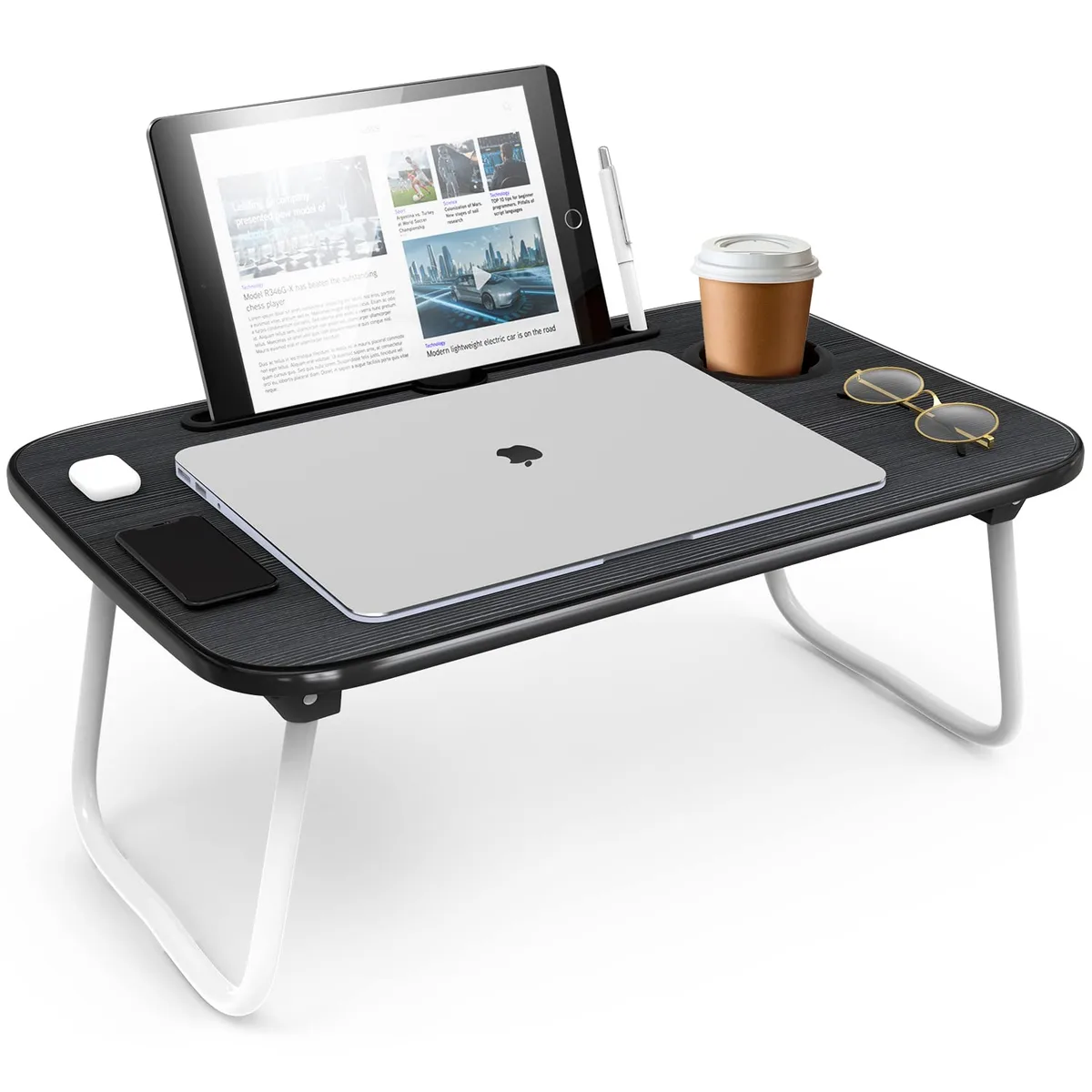
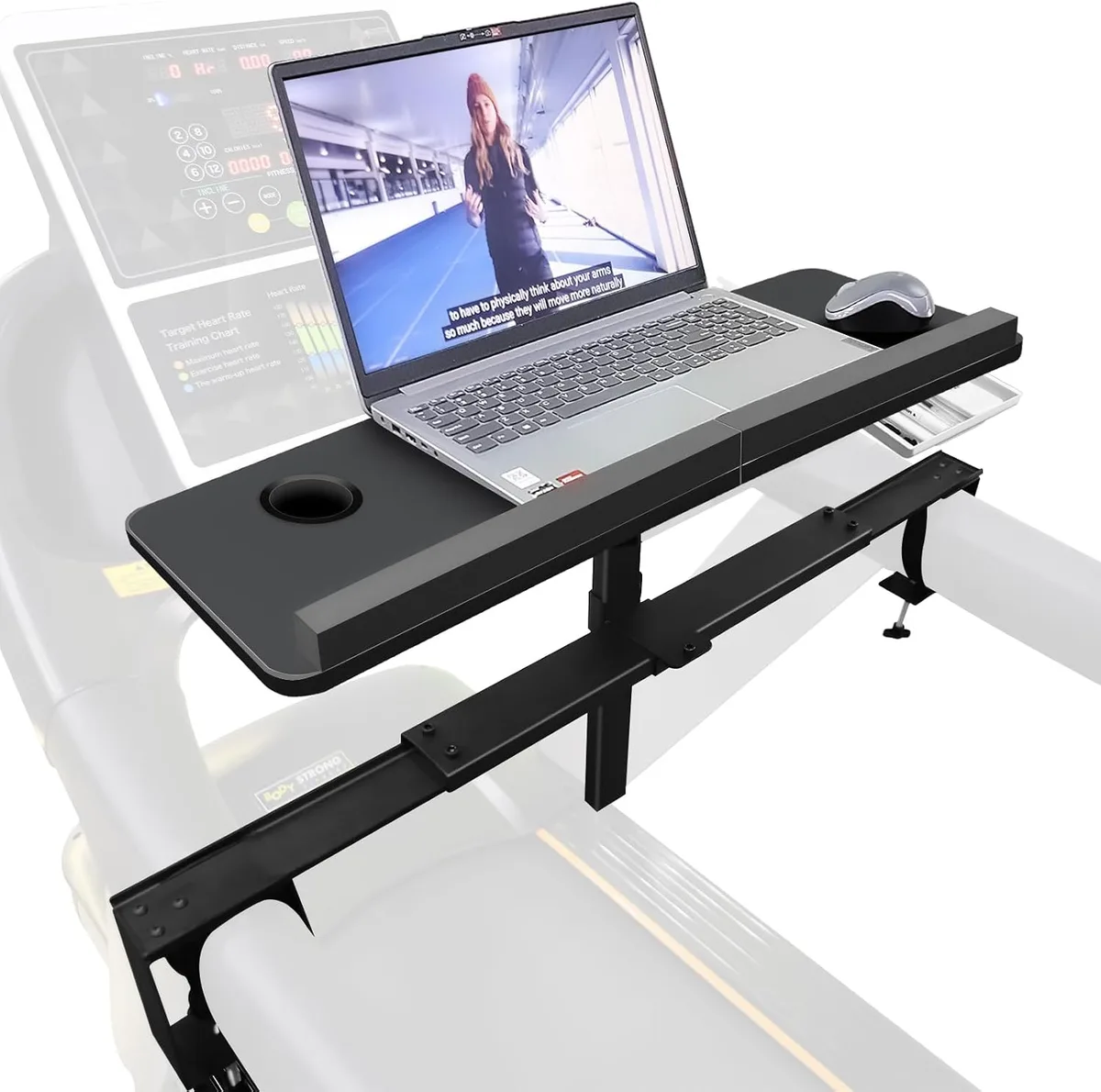
Image source: Bing (Web (fair-use with source credit))
You must prioritize stability over perfect eye-level alignment. A stand that raises your screen too high creates a top-heavy structure that is prone to tipping during turns. If you have ever experienced a laptop slide off a plastic tray, you understand the necessity of a low center of gravity.
Focus on creating a closed-loop setup where your arms, the stand, and the seat back work together. This approach mimics the stability of a stationary desk while acknowledging the kinetic nature of transit. You'll need to adjust your expectations to ensure your hardware remains secure at all times.
The Stability First Rule: Why High Rises Fail on Public Transit
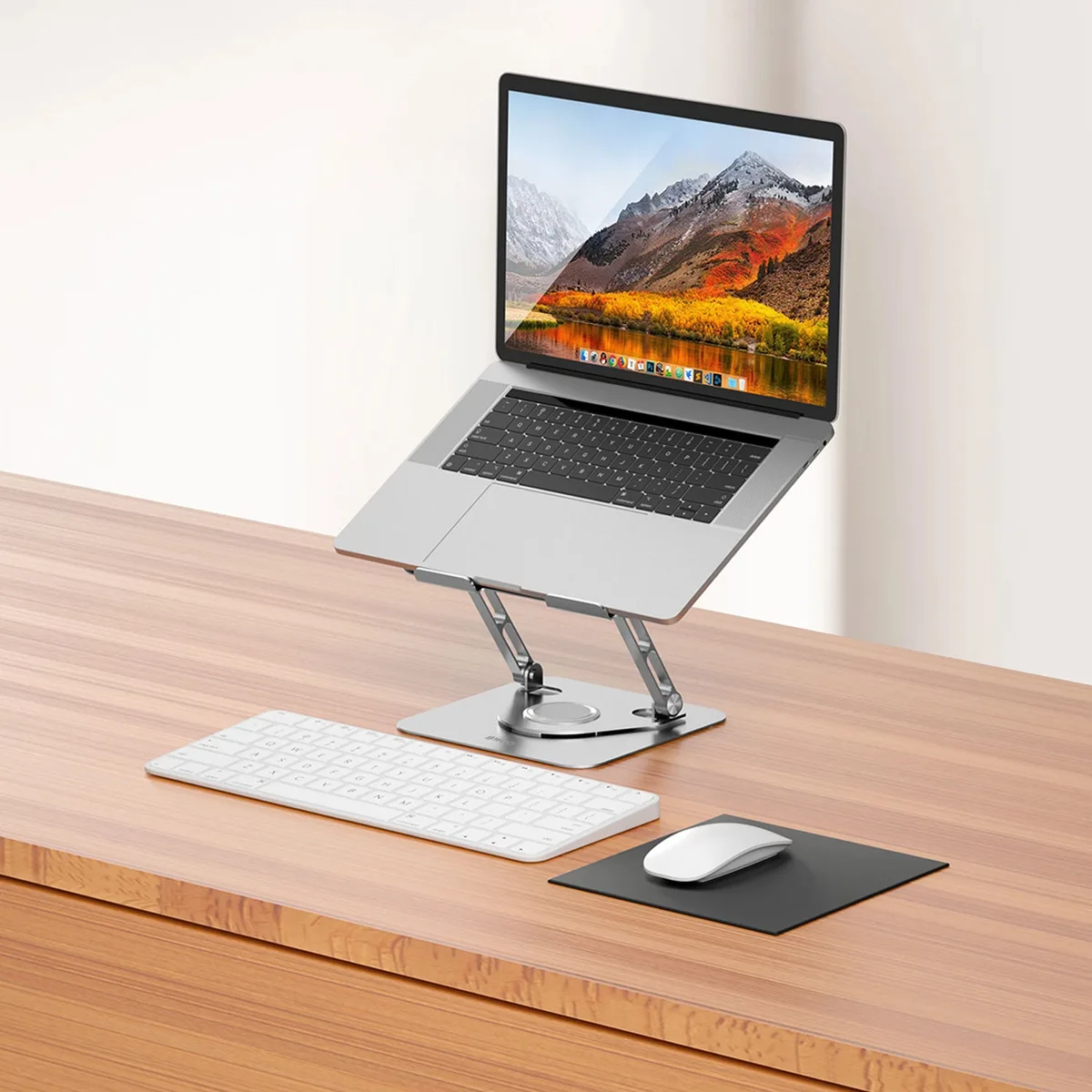
High-rise laptop stands are designed for stationary environments like home offices. On a commuter train, they become a liability. A tall stand amplifies the natural vibrations of the train car, causing screen wobble that can induce eye strain.
Sudden braking is a real risk for any elevated device. When a bus hits a pothole or a train decelerates quickly, the momentum will cause a tall, narrow stand to pitch forward. You want to maintain a low angle that keeps the laptop mass close to the surface of the tray or your lap.
The Occupational Safety and Health Administration (OSHA) offers guidance on workstation ergonomics that emphasize neutral postures, but they also highlight the importance of equipment security in shared or mobile spaces. When your equipment is not secure, you spend more energy fighting the movement than doing productive work.
Anatomy of a Transit-Friendly Laptop Stand
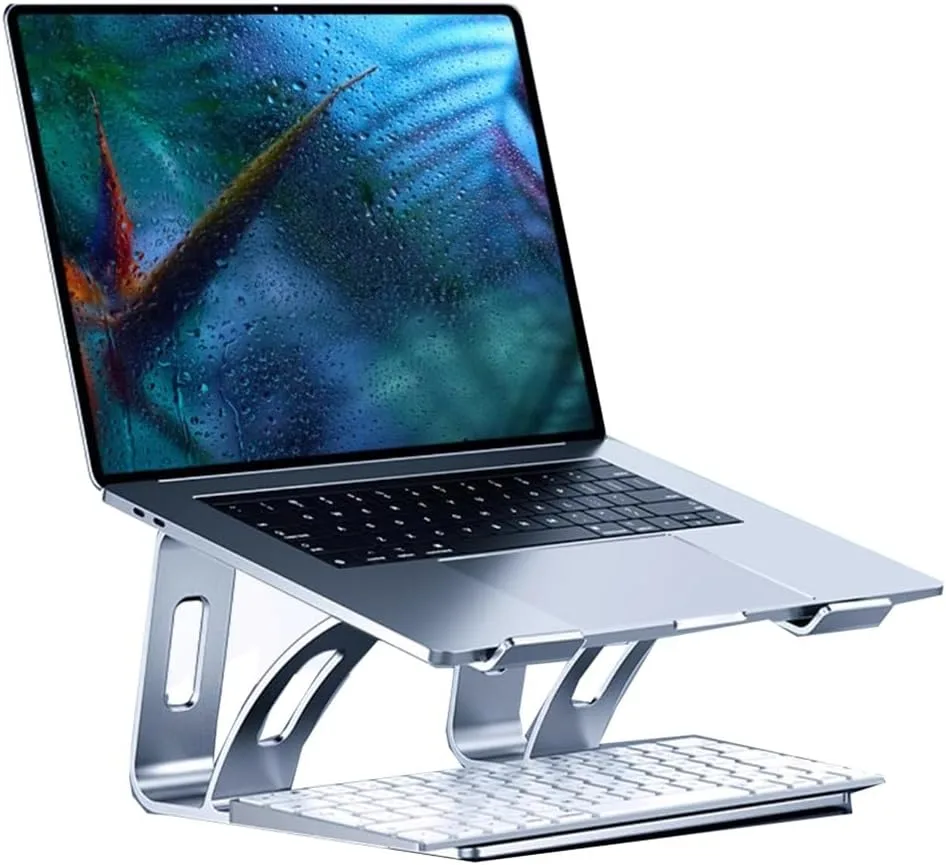
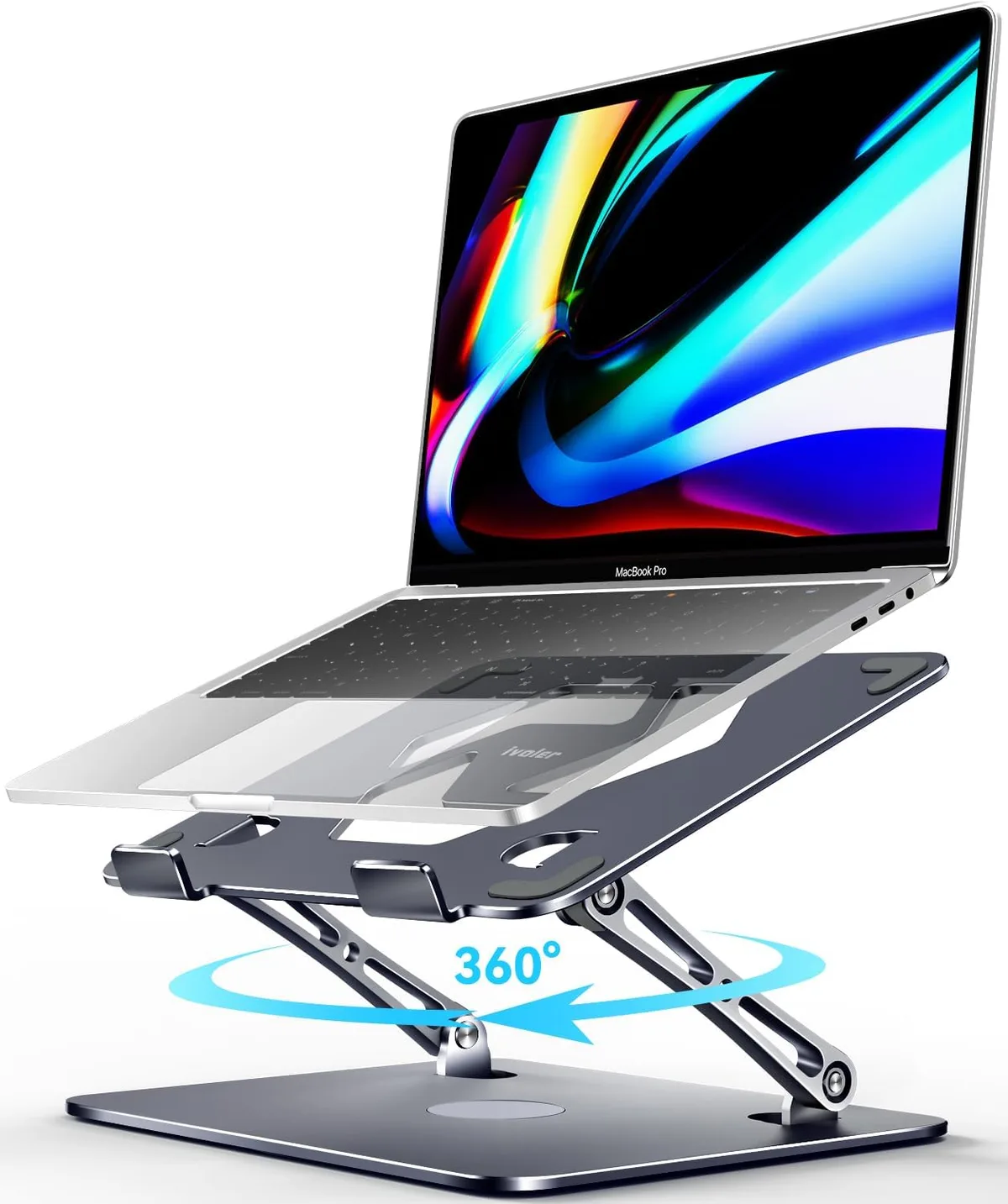
A transit-friendly stand differs significantly from a desktop riser. You are looking for a unit that emphasizes weight reduction and rapid deployment. A stand that takes two minutes to assemble is rarely used in the quick pace of a morning commute.
- Material: Opt for high-strength aluminum or carbon fiber for the best weight-to-durability ratio.
- Adjustment: Fixed-angle stands are often more stable than those with multiple, complex hinges.
- Footprint: A small base allows the stand to fit on cramped airline-style tray tables.
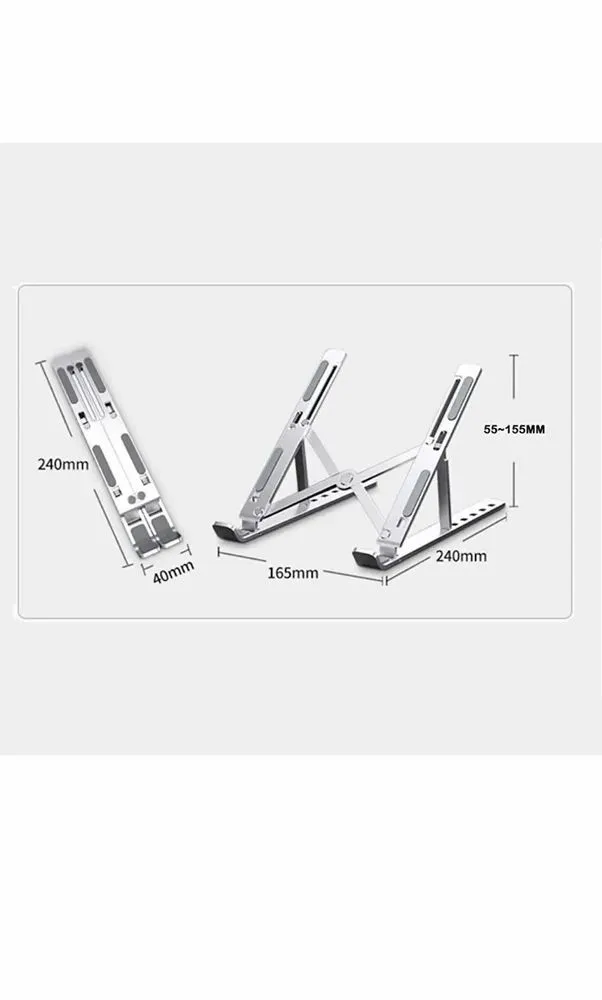
- Portability: The unit must fold into a profile thinner than a standard notebook.
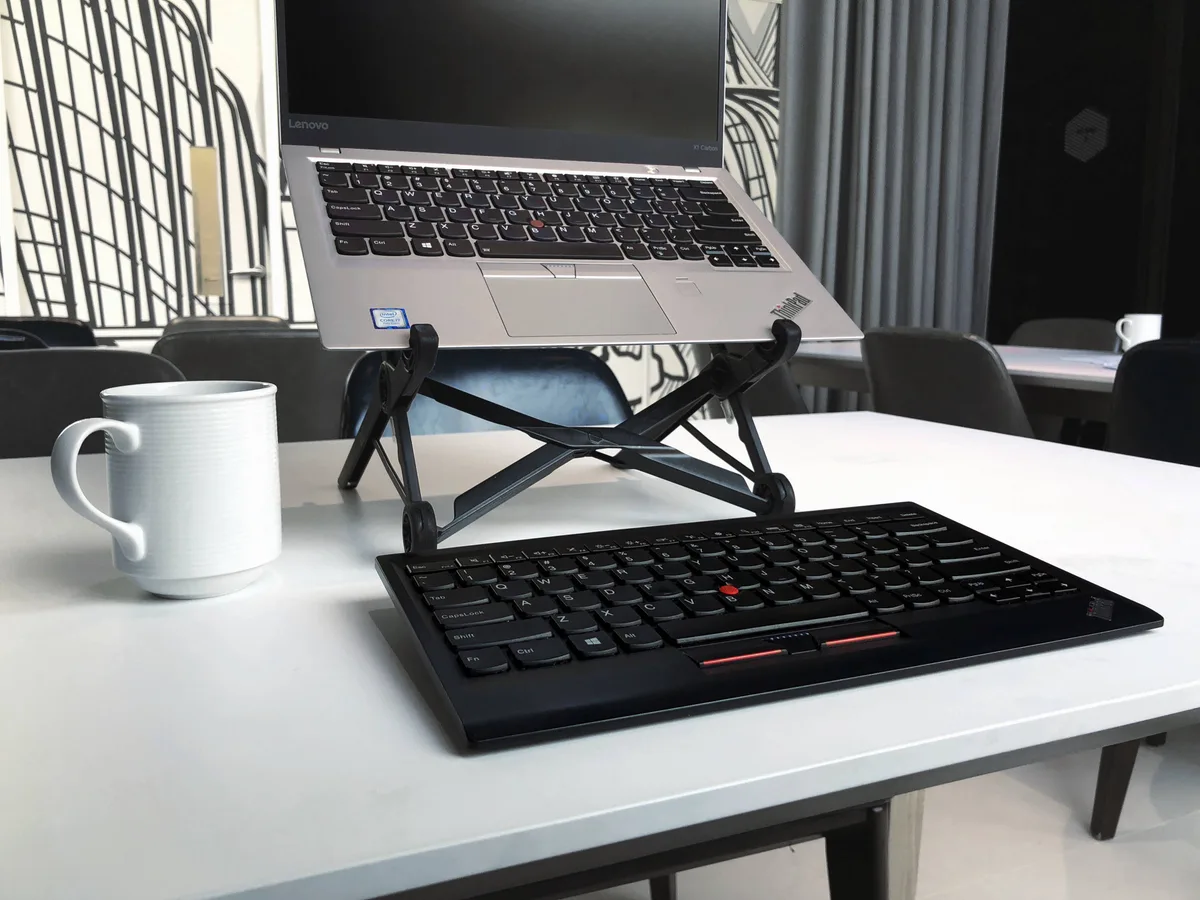
Look for a stand that acts as a simple cradle rather than a sophisticated mechanical rig. The fewer moving parts you have, the fewer points of failure exist. You want a tool that survives being thrown into a backpack multiple times per day.
How to Position Your Setup for Maximum Stability
Positioning is the single most important factor in your success. Start by ensuring the surface is level and cleared of clutter. If you are using a train tray table, push the table as close to your body as the latch allows.
Center the stand directly in front of you. Placing the stand off-center increases the risk of it being bumped by someone walking down the aisle. Once the stand is placed, apply light pressure to test for wobble before placing your laptop on it.
If the tray table feels flimsy, use your arms as secondary stabilizers. Keep your forearms resting on the edge of the tray or the base of the stand to dampen vibrations. This technique, while tiring over long durations, provides the best protection against surface-level instability.
Step-by-Step: Setting Up on a Train Tray Table
Setting up your workspace efficiently ensures you get to work without frustrating delays. Follow these steps to secure your laptop on a standard commuter train tray table.
- Clear the area: Remove coffee cups or bags that could obstruct the stand's base.
- Deploy the stand: Open your stand to the lowest height setting to maximize surface contact.
- Place the stand: Center it firmly on the tray, avoiding the fold-lines of the plastic tray if possible.
- Position the laptop: Slide the laptop onto the stand, ensuring the front edge catches on the stand’s security lip.
- Check security: Give the laptop a gentle nudge to ensure it does not slide under normal vibrations.
If you find that the tray table surface is slick, a thin piece of shelf liner cut to the size of the stand base works wonders. It provides the necessary friction to prevent the stand from migrating across the plastic surface. This simple addition is one of the most effective ways to upgrade a budget stand into a professional commuter tool.
The Lap-Based Workflow: Handling the Absence of a Tray
When you don't have a tray table, you must rely on your body to act as the primary platform. This requires a precise seating posture to maintain a flat surface for your equipment. Keep your feet planted firmly on the floor to maintain a stable base.
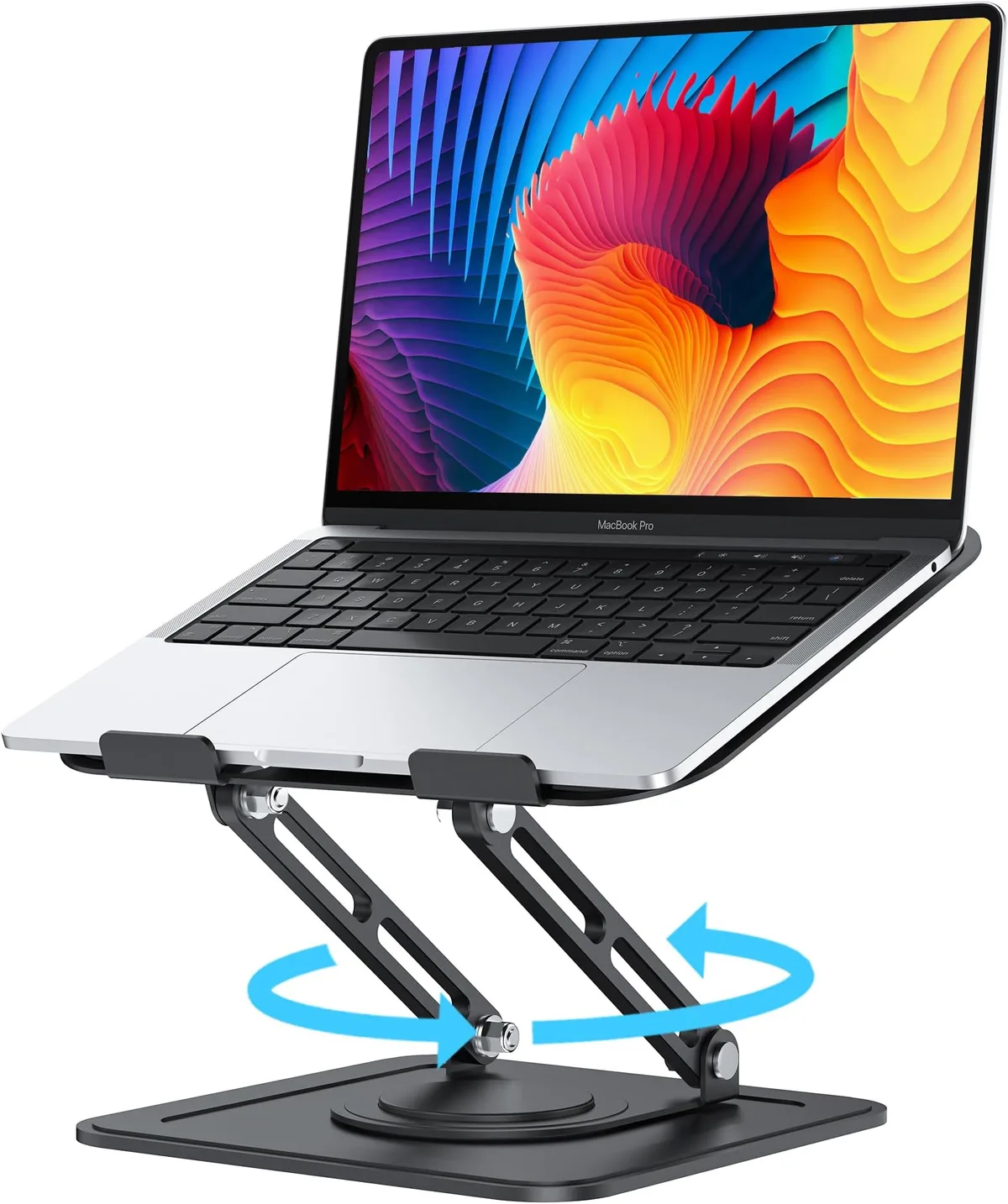
Image source: Bing (Web (fair-use with source credit))
Bring your knees together to narrow the support area and align the stand with your lap. This prevents the laptop from rocking as you type. If you have a bag, place it between your lower legs for added height or stability if your knees are not quite high enough.
Always maintain a slight tension in your core. This helps absorb the micro-movements of the vehicle so your laptop remains steady. Your goal is to create a bridge between your thighs that minimizes vertical travel during transit.
Essential Add-Ons to Prevent Sliding and Vibration
Adding grip-enhancing materials to your kit makes a world of difference when surfaces are slick or vibrating. A small square of silicone shelf liner or a dedicated non-slip mat acts as a bridge between the plastic tray and your stand.
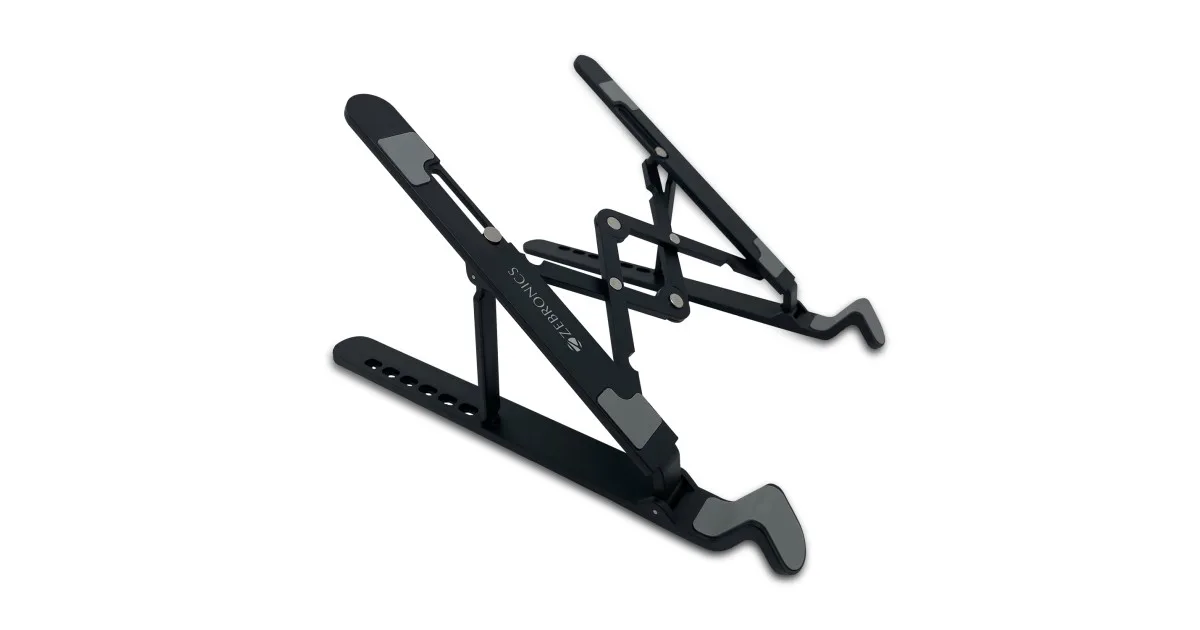
Image source: Bing (Web (fair-use with source credit))
This simple material increases the friction coefficient of your workstation significantly. Place the liner down first, then set the stand on top of it. You'll notice immediately that the stand stops shifting during minor turns or braking events.
Consider using a small cable tie or a bungee cord to link your laptop to your bag strap. This is not about rigid security. It is about ensuring your device does not hit the floor if the stand fails during a sudden jolt.
Features to Prioritize When Shopping for a Commuter Stand
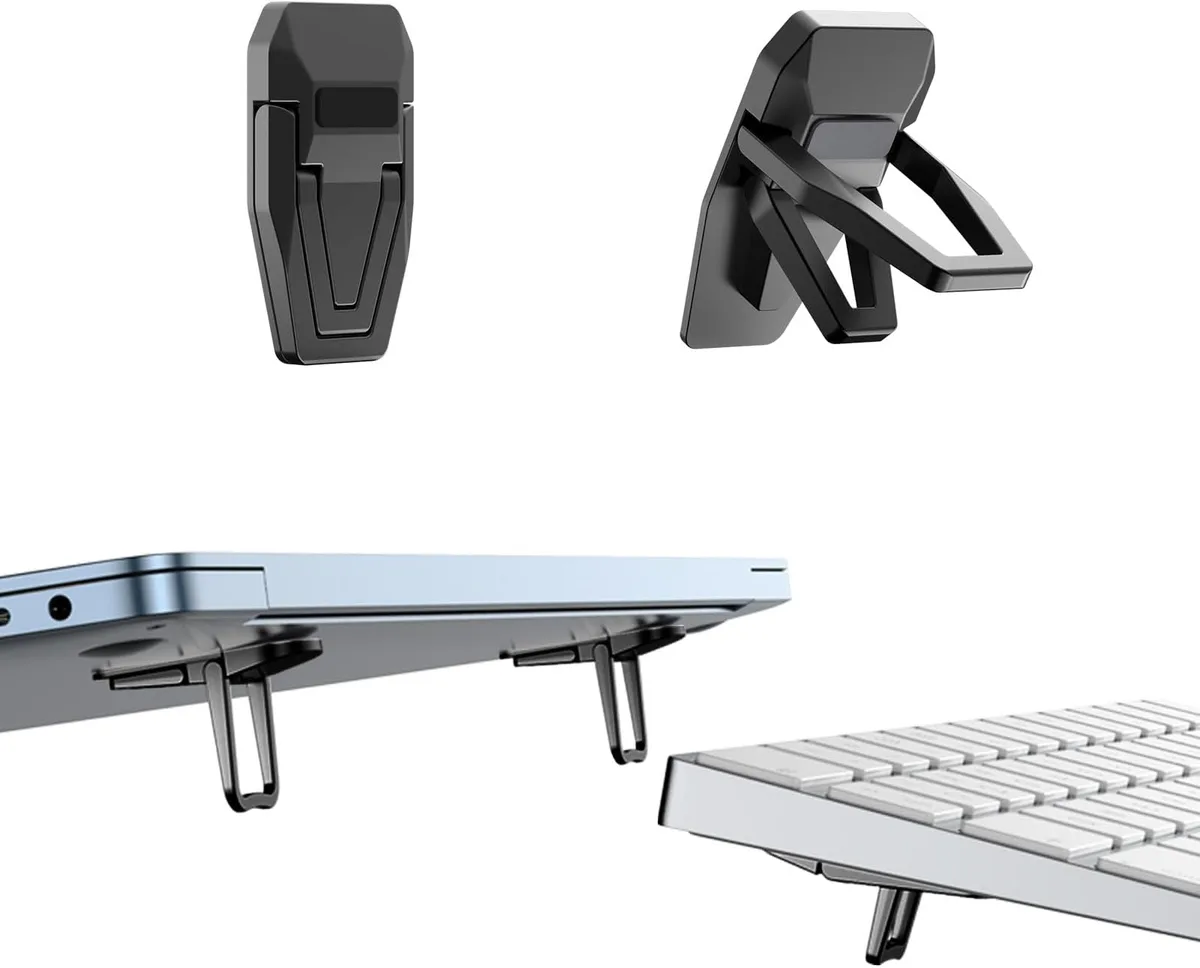
The best stands for transit are designed with portability and speed in mind. Look for models that focus on a minimalist footprint when folded. You shouldn't have to navigate complex moving parts or tension locks every time you commute.
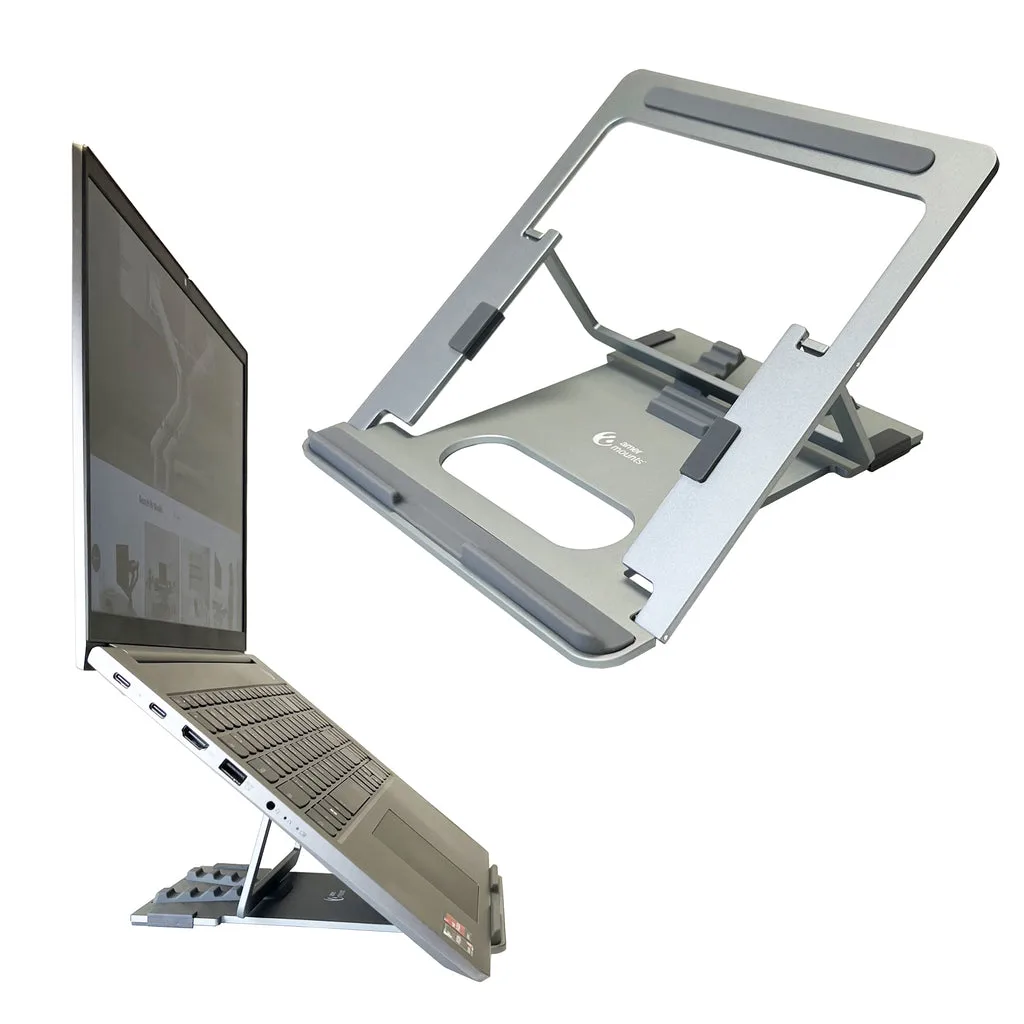
Image source: Bing (Web (fair-use with source credit))
Prioritize stands made from rigid, high-density materials. Lightweight aluminum alloys offer the best performance, as they don't flex under the weight of a professional-grade laptop. Check the manufacturer weight ratings to ensure the stand can handle your specific device size.
Look for a lip that is at least 0.5 inches high. This is your primary defense against your laptop sliding off during acceleration. A stand without this feature is fundamentally unsafe for use in a moving vehicle.
Common Mistakes That Lead to Hardware Damage
One common mistake is setting the stand to a high-angle tilt. While this feels better for your neck, it makes the entire setup unstable on public transit. Keep the stand as flat as the design allows to maintain structural integrity.
Another error involves ignoring the behavior of the person sitting in front of you. Never set up your laptop if the passenger ahead is prone to erratic movement or sudden reclining. Always wait for them to settle before unfolding your workspace.
Neglecting to check the security of your hinges is a recipe for disaster. Before every trip, give your stand a quick check for loose screws or worn joints. A stand that wobbles before you even start your commute is a risk you shouldn't take.
Safety Protocols for Sudden Stops and Crowded Carriages
You must always be prepared to dump your setup safely when safety dictates. If you feel the driver hit the brakes, close your laptop immediately. Do not worry about saving your current work; prioritize the integrity of your hardware.
In crowded carriages, your personal space is limited and unpredictable. If someone is standing directly beside you, it is physically impossible to protect your equipment from being bumped. In these scenarios, keep your laptop stowed in your bag.
Treat your transit workstation as a temporary luxury rather than a permanent fixture. When the environment becomes too dynamic, pack your gear and work offline for the remainder of the trip. Your laptop is an investment, and no email is worth a cracked screen.
Assessing Your Transit Environment: When to Put the Stand Away
The most important skill for a mobile worker is knowing when your environment cannot support your equipment. If you are on a bus during peak hours, space is a luxury you do not have. Stowing your gear early is better than risking a broken screen in a crush.
Check your surroundings for heavy commuters, large backpacks, or active children. These are clear indicators that your workspace footprint is too large for the current carriage. If your elbows are touching the person next to you, do not deploy your stand.
Trust your intuition regarding the vehicle's stability. If the driver is aggressive or the track is particularly old and bouncy, skip the riser entirely. A solid lap-based posture provides more stability than a stand during high-impact transit periods.
Expert Tips for Packing and Rapid Deployment
Efficiency in transit comes from a dedicated packing system. Use a specific pocket in your bag that allows you to pull out your stand and laptop without digging. Seconds matter when you are trying to set up before the train enters a tunnel or the bus reaches your stop.
Keep your charging cables and peripherals in a separate pouch that you leave in your bag. You want the stand to be the first thing out and the last thing in. This reduces the number of loose items cluttering your limited tray space.
Consider a secondary ready-to-go kit if you have a long commute. Having your stand, a compact mouse, and a screen privacy filter ready to grab as a single unit saves time. Efficiency here prevents the frustration of losing a piece of gear under a seat.
Frequently Asked Questions About Mobile Workspace Productivity
How long does setup take?
An optimized commuter setup takes less than thirty seconds to deploy. You should reach for your stand, open it to the pre-set angle, and place it on the tray. If your process takes longer than this, your gear or your bag organization needs refinement.
Can I use a laptop stand on a standard bus?
Yes, provided you have a seat and the bus is not overly crowded. You will likely need to use a lap-based configuration rather than relying on a folding tray table. Always ensure the stand base is flat against your legs to prevent accidental slips.
Is it safe to leave my laptop on a stand while I use the restroom?
No, you should never leave your laptop unattended on public transit. Even if you are just stepping away for a moment, pack your gear into your bag. It only takes a second for a device to vanish or for a train movement to knock it off its perch.
How do I prevent screen glare on public transit?
Use a privacy screen filter that features an anti-glare matte finish. These filters reduce reflections from bright windows while simultaneously obscuring your screen from prying eyes. They provide the added benefit of protecting your display from minor scratches while traveling.
What is the maximum load for a portable laptop stand?
Most high-quality, fold-flat stands support up to ten or fifteen pounds, which is plenty for modern thin-and-light laptops. Check your stand's manufacturer documentation to confirm the weight rating. Avoid overloading the stand, as excessive weight increases the risk of hinge failure during sudden stops.

Similar Posts