How to Get Coffee Stains Out of a Fabric Lap Desk Cushion
Senior Hardware Diagnostics Specialist & Lead Thermal Editor at Laptop Post Testing Lab · CompTIA A+, ACMT, B.S. in Computer Engineering · 12+ years bench-testing laptop thermal solutions & motherboard repairs
When you need to learn how to clean spilled coffee off fabric cushion lap desk surfaces, the primary goal is preventing liquid absorption. Coffee is a tannin-based stain that can set quickly if it reaches the inner padding.
You must prioritize speed and proper technique to protect the integrity of the cushion foam. Manufacturer specifications for most synthetic fabric covers suggest using cold water and mild surfactants to break down oil-based residue. As of 2026, experts recommend acting within minutes to keep the cushion dry and odor-free.
Quick Answer
You must clean coffee spills from a lap desk immediately. Use dry paper towels to blot liquid until it is gone. Avoid rubbing the fabric to prevent deeper penetration.
Use cold water and clear soap for remaining marks. Let the fabric air dry completely to avoid mold growth.
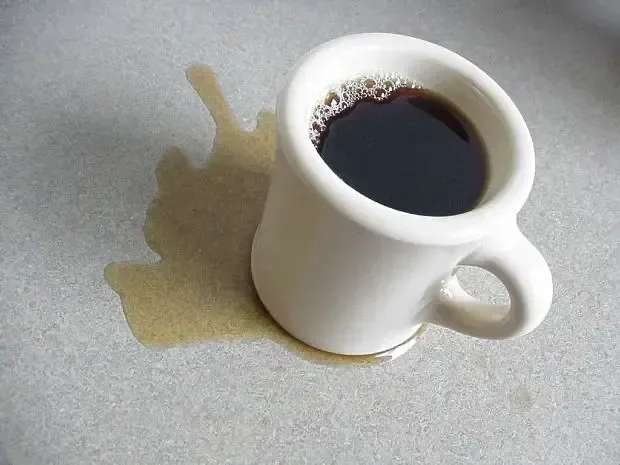
The Keep it Dry Reality Check: Understanding Coffee Spills on Fabric Cushions
The core challenge with a lap desk cushion is its porous interior. Most cushions use polyurethane foam, which acts like a sponge when liquid hits the surface. When you spill coffee, the liquid moves through the fabric via capillary action.
This process pulls the dark pigment into the inner structure of the cushion. Once the foam absorbs the coffee, the stain becomes much harder to treat. You are not just cleaning a surface, you are managing an internal saturation problem.
Research from the American Cleaning Institute confirms that treating a spill at the surface level is the most effective way to prevent permanent damage. If you leave the spill to sit, the coffee oils can oxidize. This leads to stubborn yellow or brown spots that resist standard laundry soaps.
Why You Should Never Rub: The Physics of Capillary Action
You might be tempted to scrub the spot to get the coffee out, but this is a mistake. Rubbing forces the coffee deeper into the fabric weave. It effectively pushes the liquid through the spaces between fibers into the foam padding below.
Think of your cushion fabric as a grid of tiny tunnels. When you apply pressure with a scrubbing motion, you act like a piston. You drive the coffee particles into the core of the foam.
This makes the stain larger and more difficult to reach with surface cleaners.
Instead, you want to use vertical pressure. By pressing straight down, you allow the absorbent material to pull the coffee out of the fabric. This method preserves the fiber structure and keeps the moisture localized at the top layer.
Quick Diagnostic: Can You Take the Cover Off?
Before you start, check if your lap desk cushion has a removable cover. Most designs feature a hidden zipper located along the bottom seam. Being able to remove the cover changes your workflow significantly.
If the cover zips off, you can treat it as a separate laundry item. Hand-washing the cover in a basin with mild detergent is the safest path for high-quality fabrics. This prevents you from getting the inner foam wet at all.
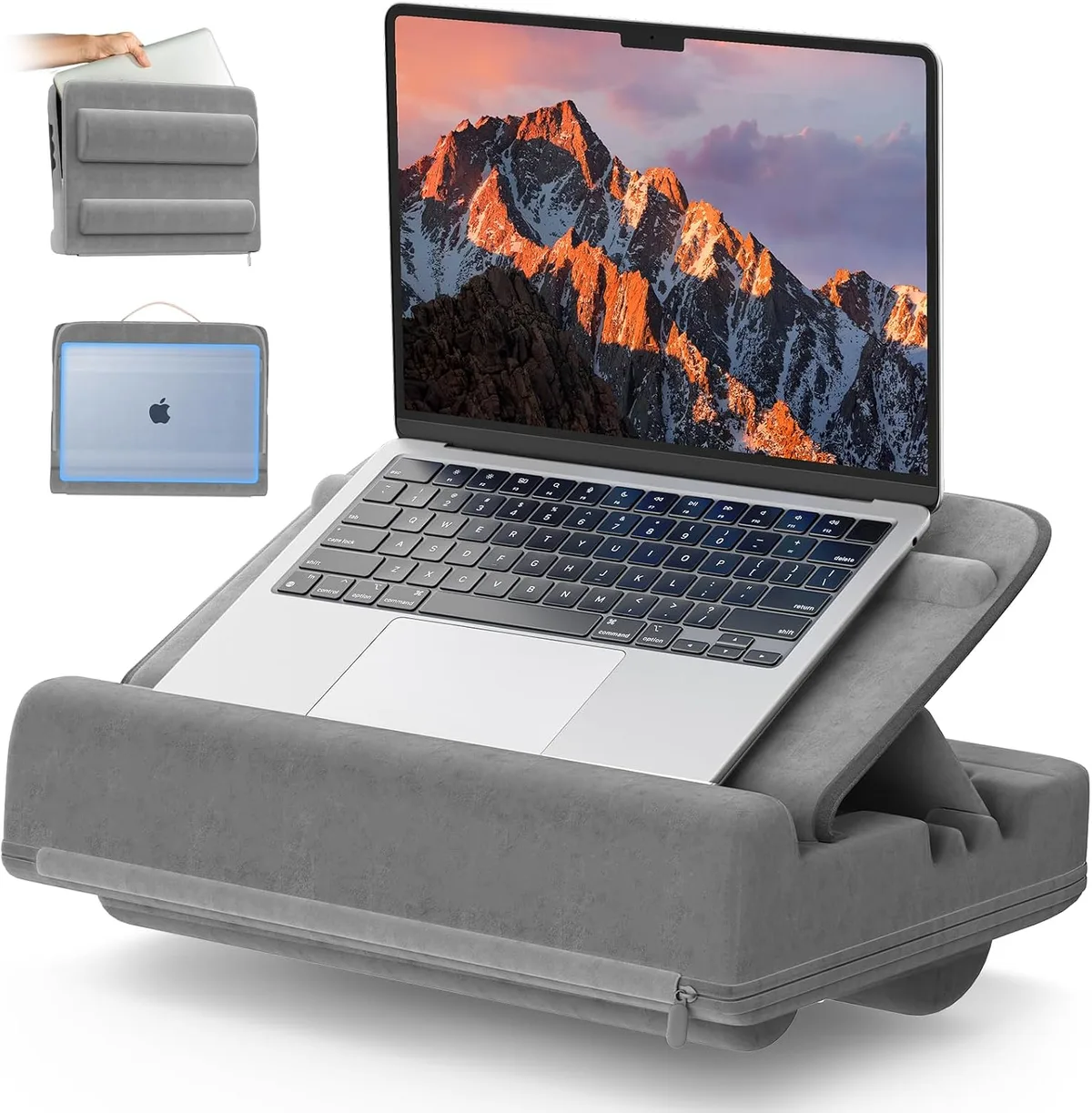
If the cover is sewn shut, you must work with the entire unit as one piece. You have to be much more careful with how much water you apply. You cannot immerse the desk, so your cleaning must be precise and controlled.
The Essential Cleaning Toolkit
Having the right tools ready prevents you from scrambling while the stain sets. You do not need expensive specialized chemicals for coffee stains. Most household items are enough to handle the job effectively.
| Tool | Purpose |
|---|---|
| White Paper Towels | Absorbent blotting without color transfer |
| Clear Dish Soap | Breaks down coffee oils |
| Cool Water | Prevents heat-setting of tannin stains |
| Soft Bristle Brush | Lifts fibers after drying |
| Baking Soda | Neutralizes lingering coffee odors |
Do not use colored cloths to blot the spill. Dye from the cloth can transfer onto your fabric cushion, creating a new stain. Stick to plain, white paper towels for the best results.
Step-by-Step: Removing Fresh Spills Without Wicking
To handle a fresh spill, start by placing a dry paper towel over the center of the coffee. Apply firm, steady pressure with your palm to encourage absorption. Lift the towel and replace it with a fresh one as soon as it becomes damp.
Continue this process until no more brown liquid transfers to the paper. If a light shadow remains, mix a drop of clear dish soap into a cup of cool water. Lightly dampen a clean cloth and dab the area.
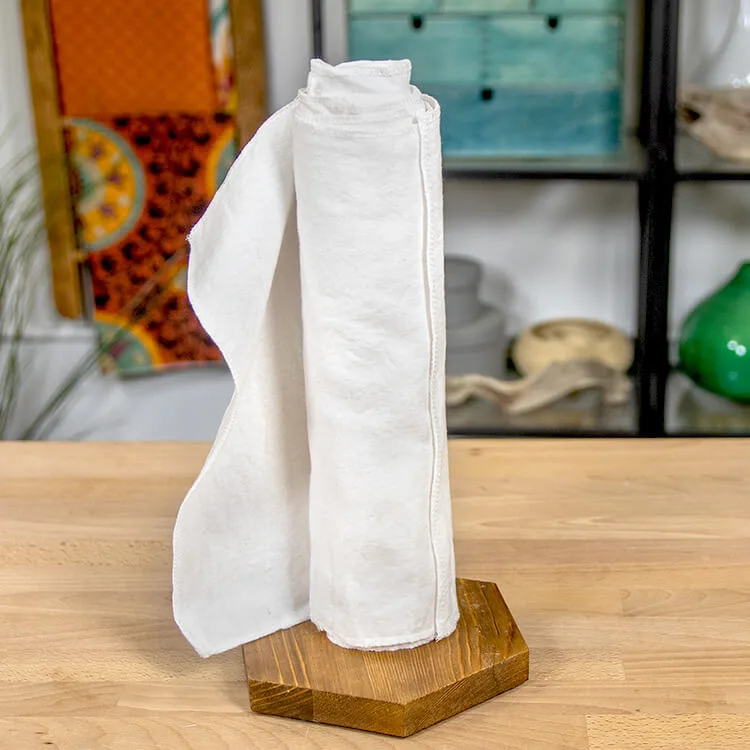
Never let the fabric get soaking wet. Work from the outside of the stain toward the center to prevent it from spreading. Once the stain is lifted, use a dry towel to pull out the moisture from the soap and water mixture.
Deep Cleaning: Tackling Stains That Soaked into the Foam
If the spill was large, you likely have liquid inside the foam itself. You can verify this by pressing down on the cushion with a dry towel. If moisture appears, you need to extract it through compression.
Use a heavy book or a weight to apply constant pressure to a stack of paper towels on the cushion. Change the towels every hour as they pull moisture out of the porous structure. This process may take several hours or even a full day.
Place the lap desk in a well-ventilated area to speed up evaporation. A fan blowing directly on the cushion is much safer than using a heat source. Heat can cause the foam to degrade or lose its supportive shape over time.
Mistakes That Make Stains Permanent and How to Avoid Them
The most common error is applying heat to the stained area. Many people reach for a hair dryer or an iron to speed up the drying process. Heat permanently bonds the coffee tannins to the synthetic fibers.
Avoid using harsh household cleaners like bleach or concentrated ammonia on your cushion. These chemicals can degrade the fabric color or dissolve the adhesive used in the lap desk construction. Stick to neutral, mild surfactants such as clear dish soap.
Don't ignore the smell of the damp foam after you finish cleaning. If the cushion stays damp for more than 48 hours, it can develop a musty odor. Proper ventilation is the only way to prevent mildew spores from taking hold.
Deodorizing and Refreshing Dealing with Lingering Coffee Smells
If a faint coffee odor remains after the cushion is completely dry, you should use a dry odor absorber. Baking soda is the standard recommendation for this purpose. It is chemically stable and safe for most textile types.
Sprinkle a light dusting of baking soda over the area where the spill occurred. Let it sit for at least one hour, or even overnight if the smell is strong. This allows the powder to pull moisture and odor molecules out of the fabric weave.
Vacuum the baking soda off the cushion using an upholstery attachment. You don't need to wash the fabric again. The goal is to remove the powder, which will take the trapped odors with it.
Maintenance Tips Preventing Future Lap Desk Disasters
The best way to manage a spill is to prevent it from ever reaching the foam. You can apply a water-repellent fabric spray designed for upholstery. These sprays create a hydrophobic layer that forces liquids to bead up on the surface.
Check your manufacturer care instructions before applying any fabric treatment. Some synthetic blends have a factory-applied finish that can be damaged by third-party sprays. Always perform a spot test on an inconspicuous corner of the cushion.
Develop a habit of keeping your beverage at least six inches away from the cushion edge. Even a small spill can ruin the texture of the fabric if it happens repeatedly. A stable, flat surface area is far easier to wipe clean than a cushioned one.
The Do I Replace or Keep Decision Guide
You can often decide whether to keep or replace a lap desk by assessing the internal foam damage. If the structure of the foam remains firm, the cushion is usually salvageable. You can successfully clean and deodorize it with the right steps.
Replace the cushion if you notice signs of structural breakdown. If the foam feels slimy or starts to crumble, the integrity is compromised. These are indicators of mold or chemical degradation that soap and water cannot fix.
Compare the cost of a replacement cover versus a new lap desk unit. Many manufacturers offer individual replacement parts for the cushion section. This is a budget-friendly way to refresh your workspace without buying an entirely new desk.
Identifying Fabric Fiber Types
You need to know your cushion material to choose the correct cleaning agent. Most lap desk cushions use synthetic polyester, which is inherently resistant to moisture and staining. You can check the manufacturer tag or the product page for the specific fiber composition.
Natural fibers like cotton or linen are much more absorbent than synthetics. If your cushion uses these materials, you must limit the amount of water used during cleaning. These fibers tend to hold onto pigments and require faster intervention to avoid permanent discoloration.
Mixed blends often combine the softness of natural fibers with the durability of polyester. If you aren't sure about the material, assume it is sensitive. Always perform a spot test on a hidden area of the fabric before applying any soap mixture.
When to Seek Professional Textile Cleaning
You should consider professional help if your lap desk cushion is covered in high-end upholstery fabric like velvet or raw silk. These materials can react poorly to DIY methods and often require specialized, dry-solvent cleaning. Using water on silk can cause permanent water rings that ruin the aesthetic of your desk.
Professional cleaners have access to industrial-grade extraction machines that pull moisture out faster than home methods. This is a smart choice if the coffee spill covers a large percentage of the surface area. It is usually more cost-effective to pay for professional cleaning than to buy a replacement desk.
Don't ignore the advice on your cushion’s tag if it specifically says dry clean only. Following these instructions preserves the texture of the fabric. It is a small investment that extends the useful life of your home office equipment.
Environmental Factors and Drying Speed
The humidity levels in your room directly impact how fast your cushion will dry after a deep clean. High humidity slows down the rate of evaporation and increases the risk of odors. You can use a dehumidifier or air conditioner to create a drier environment while the cushion is propped up.
Airflow is the most critical factor in successful drying. Place the cushion on a wire rack or a surface that allows air to reach the bottom side. This prevents moisture from getting trapped between the cushion and the desk base.
Avoid placing your cushion in direct sunlight to speed up drying. Ultraviolet rays can fade the dye in fabric covers and make the material brittle. Consistent, room-temperature air is always the safest path for your cushion.
Managing Coffee Stains with Cream and Sugar
You have a much more complex cleaning job if your coffee contained dairy or sweeteners. These additives introduce proteins and sugars that can rot if left inside the foam. You must use a slightly more aggressive approach to remove these organic residues.
Use an enzyme-based upholstery cleaner to break down the proteins left behind by milk or cream. Enzyme cleaners digest these organic materials, which prevents foul smells and bacteria growth. Apply the cleaner sparingly and follow the manufacturer directions for dwell time.
If you don't have an enzyme cleaner, a mixture of clear dish soap and water works for minor spills. Ensure you rinse the area thoroughly with a damp cloth afterward. Soap residue attracts dirt, which can make the clean spot look gray and dingy over time.
Evaluating Long Term Workspace Hygiene
Your lap desk should be part of your regular home office cleaning routine. Every month, take a few minutes to vacuum the cushion to remove dust and dead skin cells. This simple habit keeps the fabric clean and prevents a build-up of allergens.
If you eat or drink at your desk daily, consider using a secondary tray or cover. A simple removable fabric cover provides a protective barrier between your coffee and the cushion. You can swap this cover out for laundering without ever touching the foam core.
Clean equipment performs better and lasts longer. Taking care of small spills immediately prevents the need for major restorative work later on. A proactive approach keeps your workspace looking fresh and functional for years.
Frequently Asked Questions
Can I use vinegar to remove coffee stains?
Vinegar is acidic and can occasionally set coffee stains rather than remove them. It is generally safer to stick with clear dish soap and cool water. If you choose to use vinegar, dilute it significantly with water and test a hidden area first.
How long does it take for the foam to dry completely?
Full drying time depends on the ambient humidity and the amount of saturation. It typically takes 24 to 48 hours for deep moisture to evaporate from internal foam. Use a fan to increase airflow and accelerate this process significantly.
Will the coffee stain turn into mold if I don't get it all out?
Coffee is an organic material that provides a food source for mold spores. If you leave moisture behind in the foam, there is a real risk of mildew or mold growth. Ensuring the cushion is bone dry is critical for hygiene.
Is it safe to put the cover in the washing machine?
Check the manufacturer care tag for specific instructions on your lap desk. Most covers are made of polyester, which is machine-washable on a gentle cycle. Use a mesh laundry bag to protect the zipper and the fabric from snags during the cycle.

Similar Posts