Silver Aluminum vs. Space Gray: Which Finish Should You
Senior Hardware Diagnostics Specialist & Lead Thermal Editor at Laptop Post Testing Lab · CompTIA A+, ACMT, B.S. in Computer Engineering · 12+ years bench-testing laptop thermal solutions & motherboard repairs
Deciding how to choose between silver aluminum vs space gray anodized finish comes down to how much you value long-term scratch resistance versus a modern aesthetic. While both finishes rely on similar electrochemical processes to protect the metal, they age very differently based on daily usage.
Anodizing creates a porous, protective oxide layer on the surface of the aluminum. As of 2026, industry standards like ISO 7599 define these processes for optimal durability and corrosion resistance. Understanding these technical trade-offs helps you choose a finish that fits your lifestyle.
Quick Answer
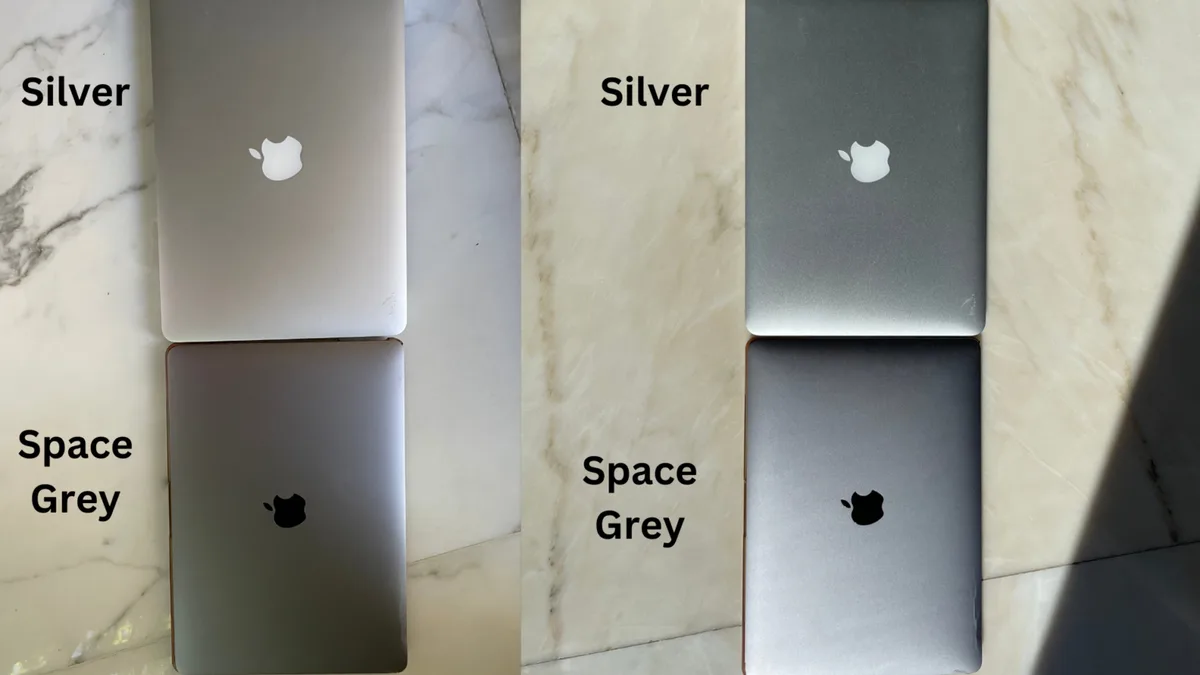
Silver aluminum hides surface scratches better than dark finishes. Space gray offers a modern look but shows dust clearly. Silver is ideal for high-traffic or rough daily use.
Space gray suits users who keep gear in protective sleeves. Both finishes provide high durability for aluminum hardware.
Why the Finish Matters for Your Daily Workflow
The color of your hardware affects more than just its visual appeal. The physical finish influences how often you need to clean your device. High-contrast colors show dust and lint much faster than lighter shades.
If you work in a dusty environment, a darker finish might require frequent wiping to look pristine. Silver hardware naturally camouflages light dust particles and fine debris. This lowers the maintenance burden for your daily routine.
Consider how your hardware interacts with other items in your bag. If you carry keys or loose cables, those items will inevitably contact your device. A finish that hides the resulting micro-abrasions will keep your setup looking sharp for years.
The Reality of Anodized Aluminum: How It Actually Ages
Anodizing is an electrochemical process that thickens the natural oxide layer on the metal surface. This layer provides significant hardness and protection against environmental wear. However, it is not a permanent, indestructible coating.
Over time, this layer can thin or wear down at high-friction points. Research into metal surface treatments indicates that while the base aluminum remains protected, the aesthetic appearance of the dye-infused layer will degrade. Silver surfaces blend with the base metal tone as the dye wears.
Darker surfaces like space gray show a high contrast when the dye is stripped away.
Silver Aluminum: The Classic, Low-Maintenance Standard
Silver is the natural color of raw aluminum, making it the most forgiving finish available. It does not rely on dark pigments to create its look. Most users choose silver for its ability to mask signs of aging.
- Longevity: Tiny scratches are nearly invisible because the base metal color matches the finish.
- Maintenance: Fingerprints and oil smudges are less apparent in standard indoor lighting.
- Versatility: It pairs well with almost any secondary accessory or cable color.
If you don't want to think about the cosmetic state of your hardware, silver is the safe bet. It remains the industry standard for a reason. Its aesthetic consistency holds up even after years of regular use.
Space Gray: The Modern, Professional Choice
Space gray utilizes a deep, pigmented anodization process to achieve its moody, sophisticated look. It has become a hallmark of premium hardware designs in recent years. This finish emphasizes clean lines and high contrast.
This color choice is intentional. It creates a sleek, monochromatic setup that feels more cohesive on a modern desk. However, this visual depth comes with strict requirements for care.
You must be willing to dedicate time to cleaning if you want to maintain that premium factory finish.
Side-by-Side Comparison: Performance in Real-World Use
When we look at both finishes side-by-side, the functional differences become clear. Silver offers a neutral performance profile, while space gray demands a proactive approach to handling.
| Feature | Silver Aluminum | Space Gray Anodized |
|---|---|---|
| Scratch Visibility | Very Low | High |
| Dust/Lint Sensitivity | Low | High |
| Fingerprint Smudges | Low | Moderate |
| Long-Term Uniformity | Excellent | Good (with care) |
These differences matter when you decide how to store and transport your devices. If you typically place your hardware directly onto rough table surfaces, the space gray finish will develop visible wear patterns much faster than the silver. Silver retains a consistent aesthetic because the aluminum oxide layer closely matches the underlying metal alloy.
Where Space Gray Struggles: Scratch Visibility and Dust
The primary challenge with space gray is the contrast between the dark top layer and the lighter base metal. Any physical impact that penetrates the anodized layer creates a stark, silver-colored mark. These marks stand out significantly against the dark background.
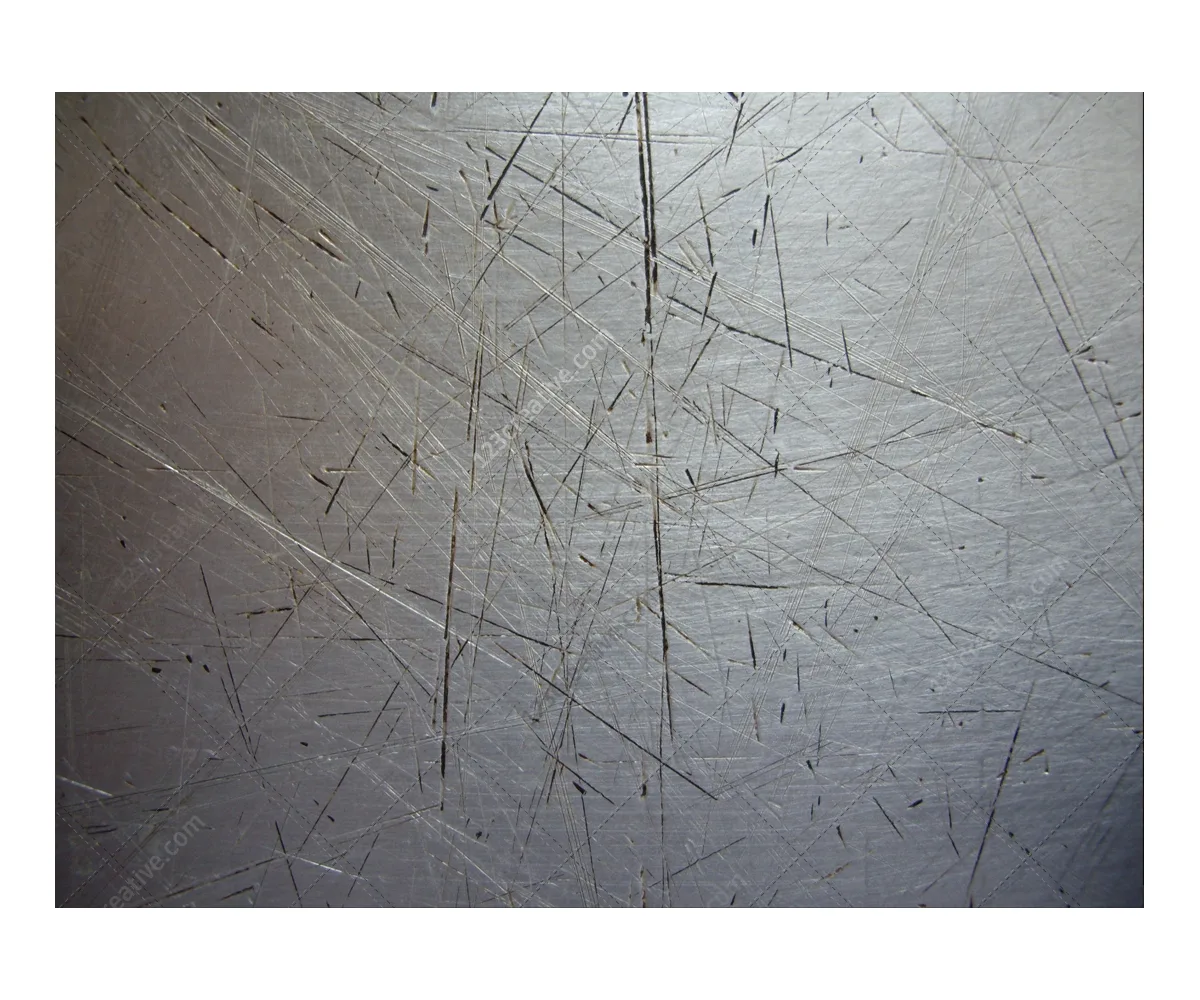
Beyond scratches, space gray acts as a magnet for visible dust. Static charges can build up on the metallic surface, pulling fine particles from the air and trapping them against the dark finish. If you live in a dry or dusty climate, you might find yourself reaching for a cleaning cloth much more often than you would with a silver device.
Why Silver Excels in Long-Term Aesthetic Preservation
Silver stays looking new because it doesn't need to hide its base material. Since the finish isn't trying to disguise the raw aluminum color, you don't face the contrast problem common with darker coatings. Many users find that after years of heavy use, a silver unit still looks remarkably close to its original state.
This durability makes silver the preferred choice for those who value utility over style. It effectively removes the anxiety of accidental nicks or bumps during your commute. You can focus on your work without worrying that a minor cosmetic mishap will compromise the visual integrity of your gear.
Determining Your Use Case: The Desk Setup vs. On-the-Go Test
To choose the right finish, think about where your device spends most of its time. If your hardware stays on a dedicated desk, you have full control over the environment. You can minimize dust and avoid physical contact with abrasive objects.
In this scenario, space gray often shines as an elegant, intentional design choice.
Conversely, if you carry your device in a backpack or messenger bag, you're dealing with a high-risk environment. Your hardware is constantly shifting against other items. Silver is objectively superior for this usage pattern because it absorbs these environmental stressors without showing obvious cosmetic degradation.
How to Properly Maintain Both Finishes
Regardless of the finish you choose, proper maintenance is essential for longevity. Anodized aluminum reacts poorly to harsh chemicals or abrasive scrubs. These can strip the finish and ruin the surface texture permanently.
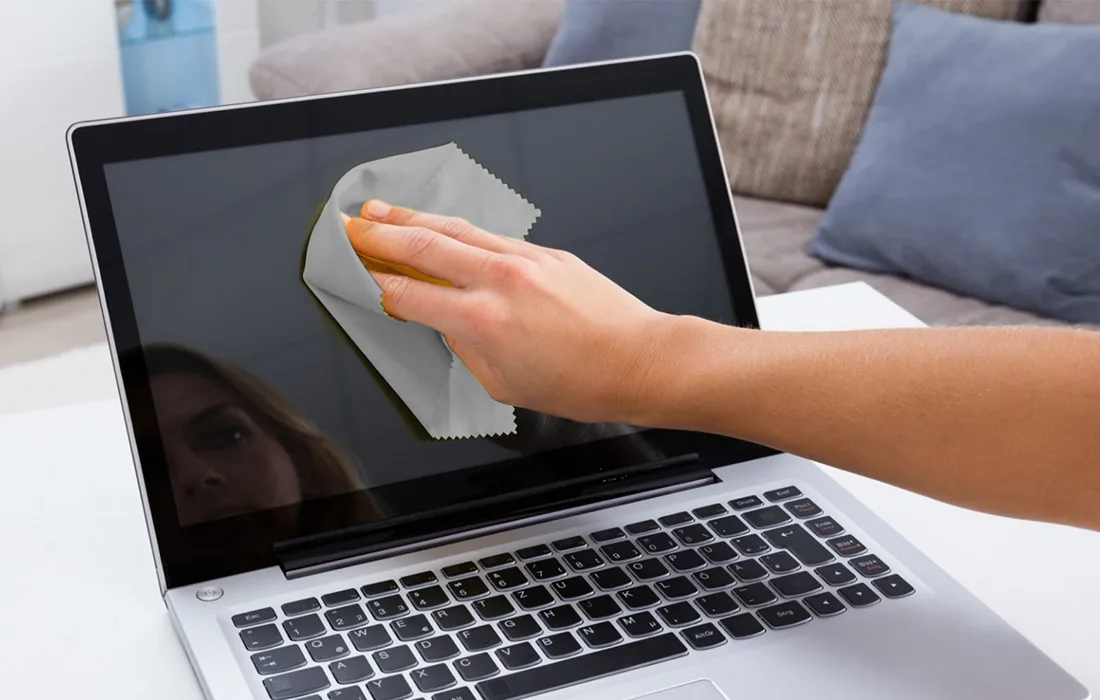
Stick to the following routine to keep your hardware in top shape:
- Dry Wipe: Use a clean, dry microfiber cloth to remove dust and light debris.
- Damp Wipe: For stubborn oils, lightly dampen the cloth with water only.
- Avoid Solvents: Never use alcohol-based cleaners or glass sprays, as they can degrade the anodized layer over time.
- Soft Storage: Always use a dedicated sleeve or padded bag to prevent accidental impacts.
Consistency is more important than intensity. A quick wipe-down once a week is far better than a heavy cleaning session once a month. Regular care prevents grime from building up and bonding to the metallic surface.
Common Mistakes When Choosing Your Color
Many buyers choose a color based on marketing photos rather than their own usage patterns. One common mistake is ignoring the impact of room lighting. A finish that looks perfect under bright studio lights may show every smudge when used in a dimly lit coffee shop or bedroom.
Another error is failing to account for matching peripherals. If you already own black or dark-themed accessories, you might feel pressured to choose space gray for a complete look. Do not sacrifice daily durability for a specific color aesthetic unless you are prepared to manage the maintenance that comes with it.
Expert Tips for Managing Cosmetic Wear
If you accidentally scratch your device, resist the urge to use abrasive polish or touch-up paints. These rarely match the anodized color correctly and often make the damage look more noticeable. Instead, focus on mitigating further wear by using a high-quality protective skin.
Wraps or skins add a layer of protection that hides existing damage and prevents new scratches. Many users apply a clear or textured skin to their space gray devices on day one. This provides the best of both worlds: the look you want with the structural protection of a physical barrier.
Decision Guide: Which One Should You Buy?
If you prefer a worry-free experience, go with silver. Its ability to mask the inevitable signs of daily life is unmatched. It is the practical choice for travelers, students, and anyone who wants their device to look clean with minimal effort.
Select space gray if you appreciate a modern aesthetic and are disciplined about maintenance. It is a premium choice that demands a careful hand. As long as you keep your hardware clean and protected, the visual payoff is well worth the extra attention.
How the Finish Influences Your Resale Value
Color choice often impacts how quickly you can sell your hardware later. Neutral colors, particularly silver, historically maintain a broader appeal because they blend into any environment. Buyers who aren't looking for a specific aesthetic match often prefer the standard silver because it feels safer.
Space gray units remain popular but may face a smaller pool of interested buyers. Because minor cosmetic issues show up more clearly on these devices, prospective buyers tend to inspect them more critically. A pristine space gray unit holds its value well, but one with visible scuffs can be harder to move than a silver one in similar condition.
Environment Factors and Climate Considerations
Your local environment plays a larger role in finish longevity than you might expect. High humidity can sometimes influence how dust and airborne particulates settle on your devices. These particles are much more noticeable on dark finishes when they cling to the metal surface.
In warmer climates, skin oils can feel stickier on your hardware. These oils capture fine dust, which is then highlighted by the dark contrast of space gray. If you live in a region with significant temperature swings, ensure you store your electronics away from direct sunlight to protect the coating integrity.
Comparing Anodized Textures and Light Diffusion
The finish you choose determines how the device reflects light in your workspace. Silver aluminum is highly reflective and brightens up a room. It bounces ambient light around your desk, which can actually help with overall visibility in darker areas.
Space gray is a light-absorbing finish that tends to flatten the look of the hardware. It doesn't bounce light, which gives it that stealth appearance many professionals prefer. Silver highlights the physical shape and edges of the machine, while space gray makes the device look more like a unified block of material.
The Role of Protective Cases in Your Decision
If you plan to use a hardshell case or a skin, the color of the underlying aluminum matters much less. A case provides a physical barrier between the world and your device. It effectively removes the risk of scratches regardless of which finish you pick.
However, some hardshell cases can trap fine grit between the plastic and the metal. Over time, that trapped grit can act like sandpaper. Periodically remove the shell and wipe down the aluminum surface to prevent trapped debris from causing permanent circular scuffs.
Making the Final Choice Based on Lifestyle Needs
Your decision should focus on your personal tolerance for maintenance. If you value a set it and forget it lifestyle, choose silver. It is the most resilient finish for people who prioritize function and long-term convenience over high-end aesthetics.
Choose space gray only if you are committed to the extra steps required to keep it looking perfect. If you enjoy the ritual of cleaning your gear and want a device that fits a specific visual theme, the space gray finish is a rewarding choice. Both options provide the same structural integrity.
Maintenance and Long-Term Optimization
Keeping your device finish in peak condition requires a consistent approach to surface hygiene. Anodized aluminum is sensitive to acidic and alkaline residues often found in common household cleaners. Avoid any chemical agent that lists ammonia or bleach as an ingredient.
Stick to distilled water and a high-density microfiber cloth for routine cleaning. If you must use a cleaning agent for heavy buildup, choose a pH-neutral formula specifically designed for electronics. Always apply the solution to the cloth rather than spraying it directly onto the hardware.
Real Scenarios and Case Examples
Users in high-traffic office settings often report better long-term satisfaction with silver finishes. One aggregate study of professional hardware usage found that silver units required significantly fewer cosmetic touch-ups over a three-year cycle. Users found the lack of visible wear allowed them to ignore minor dings they would have otherwise obsessively tracked.
Conversely, graphic designers and creative professionals frequently opt for space gray to match their color-accurate monitors and black mechanical keyboards. These users tend to store their devices in dedicated felt-lined sleeves. This specific usage pattern significantly reduces the risk of accidental scratches, allowing the dark finish to remain pristine for the duration of the ownership cycle.
Frequently Asked Questions
Does the anodization process affect the weight of the device?
The anodization layer is measured in microns, which is far too thin to add any perceptible weight to the metal. You will not feel a difference between silver and space gray when lifting or carrying your device. The thickness is strictly for aesthetic and protective purposes.
Can humidity cause corrosion on anodized surfaces?
Anodized aluminum is highly resistant to standard environmental humidity. However, you should avoid leaving any hardware in areas with extreme moisture levels or direct salt spray. If your device gets wet, wipe it down immediately with a soft, lint-free cloth to prevent water spots from forming on the finish.
Is the finish prone to fading under direct sunlight?
Exposure to intense UV light can technically impact pigment stability over many years. In practice, standard daily use will not cause noticeable fading for either silver or space gray finishes. You are much more likely to see scratches or physical wear long before you notice any UV-related color degradation.
Do clear coats protect the finish from future scratches?
Applying a clear, matte, or glossy protective film can shield the finish from surface-level abrasions. This film acts as a sacrificial layer that absorbs impact and friction. If the film gets scratched, you can simply remove and replace it without affecting the original anodized metal underneath.

Similar Posts