Why iPhone and Windows Skipped Version 9: The Real Reason
Senior Hardware Diagnostics Specialist & Lead Thermal Editor at Laptop Post Testing Lab · CompTIA A+, ACMT, B.S. in Computer Engineering · 12+ years bench-testing laptop thermal solutions & motherboard repairs
Why did iPhone and Windows skip 9? Both companies jumped straight to 10 in 2014 and 2017 to signal a clean break from troubled predecessors. Apple wanted to mark the iPhone's tenth anniversary with a redesigned flagship.
Microsoft needed distance from Windows 8's widely criticized interface. The number 9 carried no technical constraint for either firm.
Apple announced the iPhone X alongside the iPhone 8 on September 12 2017. Microsoft released Windows 10 on July 29 2015 as a free upgrade for Windows 7 and 8.1 users. Both moves reset consumer expectations and developer targeting.
The following sections break down the product decisions and the hidden engineering factor that sealed the deal.
Why did iPhone and Windows skip 9?
Apple skipped iPhone 9 to launch the tenth-anniversary iPhone X with OLED and Face ID. Microsoft skipped Windows 9 to escape Windows 8's reputation and align the kernel version to 10.0. Legacy code checking for "Windows 9" strings would have misidentified a new release as Windows 95 or 98.
Marketing milestone branding drove both decisions more than superstition.
iPhone X: The 10th Anniversary Bet on OLED and Face ID
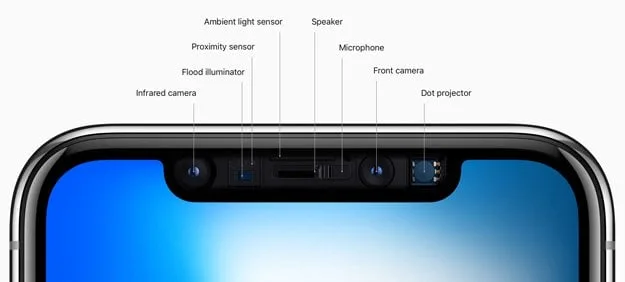
The iPhone X represented Apple's largest single-model redesign since the original iPhone. It introduced a 5.8 inch Super Retina OLED panel sourced from Samsung Display. The TrueDepth camera system enabled Face ID authentication using 30,000 infrared dots.
Apple removed the home button and Touch ID entirely. The stainless steel frame and glass back enabled Qi wireless charging. The A11 Bionic chip included Apple's first Neural Engine for on-device machine learning.
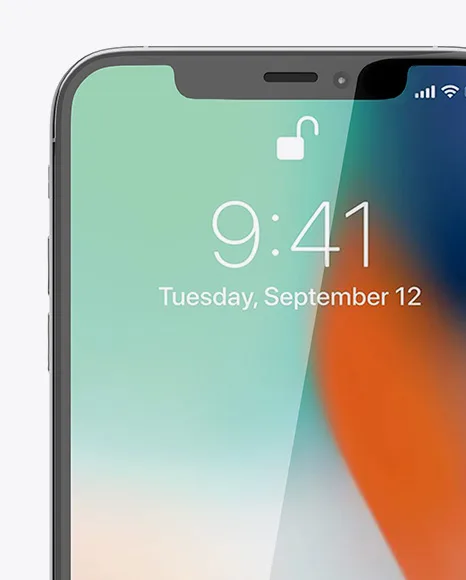
Production yields on the OLED panel delayed the launch to November 3 2017. The starting price of $999 made it the most expensive iPhone at release. Analysts questioned demand at that price point.
First quarter 2018 shipments reached 29 million units per Apple earnings data. The design language established the notch era that continued through iPhone 13.
| Specification | iPhone 8 Plus | iPhone X |
|---|---|---|
| Display | 5.5 inch LCD | 5.8 inch OLED |
| Resolution | 1920 x 1080 | 2436 x 1125 |
| Biometric | Touch ID | Face ID |
| Rear Camera | Dual 12 MP | Dual 12 MP with OIS on both |
| Launch Price | $799 | $999 |
| Release Date | Sep 22 2017 | Nov 3 2017 |
Phil Schiller stated at the September 2017 keynote that the X marked "the future of the smartphone." The Roman numeral styling appeared on the device and in marketing. Apple never released an iPhone 9. The iPhone XR and XS followed in 2018 continuing the X branding.
Windows 10: Escaping the Windows 8 Disaster and the Kernel Jump
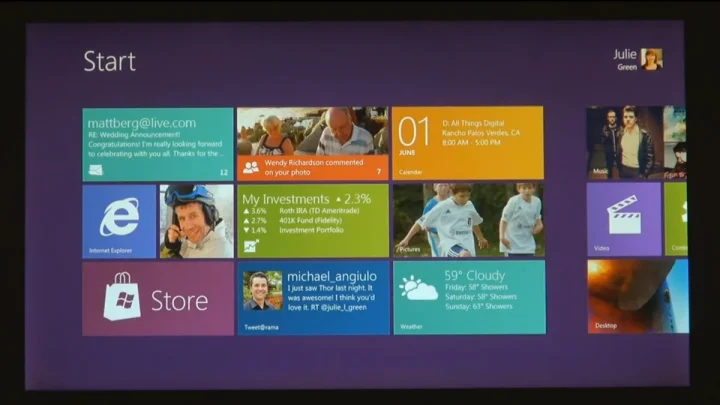
Windows 8 launched in October 2012 with a touch-first Metro interface that alienated desktop users. The Start button was removed. The Charms bar hid basic functions.
Enterprise adoption stalled at roughly 13 percent market share by mid-2015. Microsoft needed a narrative reset. Terry Myerson announced Windows 10 at Build 2015 calling it "the last version of Windows."
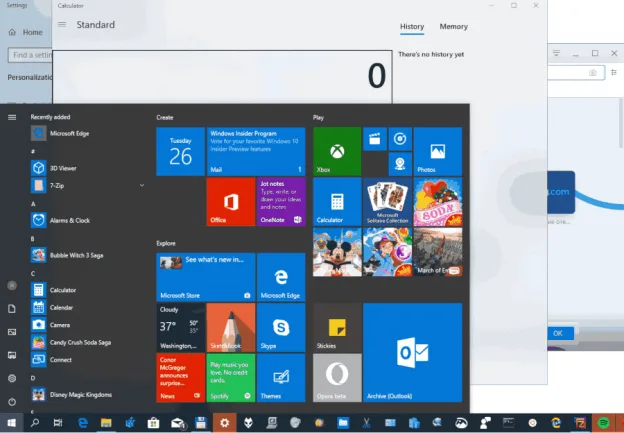
The Windows NT kernel jumped from version 6.3 (Windows 8.1) to 10.0. This was the first major kernel version increment since Windows 2000 moved to NT 5.0. The Universal Windows Platform unified APIs across PC, phone, Xbox, and HoloLens.
The free upgrade offer for Windows 7 and 8.1 users drove 110 million installs in the first ten weeks. Windows as a Service replaced the three-year major release cycle.
| Metric | Windows 8.1 | Windows 10 |
|---|---|---|
| Kernel Version | NT 6.3 | NT 10.0 |
| Start Menu | Removed | Returned, hybrid design |
| Upgrade Cost | $119 Pro | Free for 1 year |
| Release Date | Oct 2013 | Jul 29 2015 |
| 10-Week Adoption | Not tracked | 110 million devices |
Satya Nadella positioned Windows 10 as a service not a product. The Long-Term Servicing Channel gave enterprises 10-year support without forced feature updates. Joe Belfiore confirmed in a 2014 Reddit AMA that no Windows 9 was in development.
The Threshold codename signaled a floor not a ceiling for the new platform.
The Hidden Technical Trap: Legacy Version Checks That Broke on "Windows 9"
Developers used version helper APIs like GetVersionEx and VersionHelper.h to detect Windows 95 and 98. These checks looked for "Windows 9" at the start of the version string. A hypothetical Windows 9 would have matched both legacy systems.
Applications would have loaded incorrect compatibility shims or disabled features. Microsoft documented this collision in internal engineering blogs.
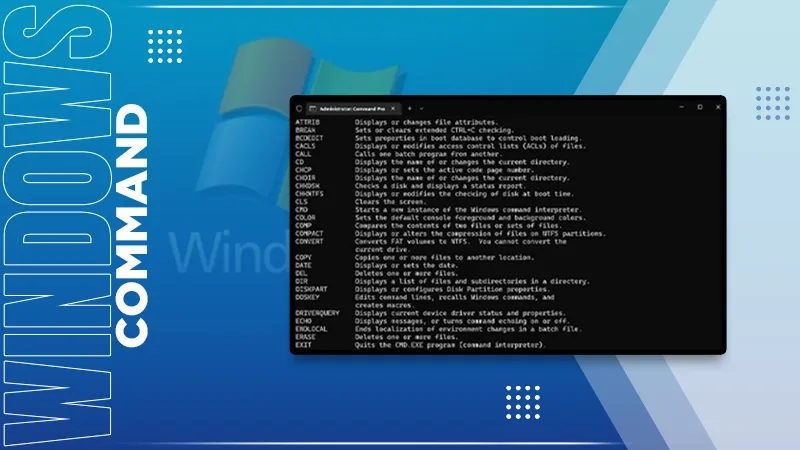
The IsWindows9OrGreater macro would have returned true on Windows 95. Microsoft introduced IsWindows10OrGreater and deprecated the older helpers. Raymond Chen of The Old New Thing blog explained the version string parsing risk in 2014.
This technical debt influenced the naming decision alongside marketing. The kernel team needed a clean version number that would not trigger false positives in two decades of third-party code.
| API Function | Windows 95 Result | Windows 98 Result | Hypothetical Windows 9 |
|---|---|---|---|
GetVersionEx major | 4 | 4 | Would return 4 or 9 |
| Version string prefix | "Windows 95" | "Windows 98" | "Windows 9" |
IsWindows9OrGreater | TRUE | TRUE | TRUE (collision) |
Enterprise IT departments still run legacy line-of-business apps from the 1990s. A version collision would have broken payroll, inventory, and medical record systems. Microsoft's application compatibility team tests thousands of apps before each release.
The version 9 skip eliminated an entire class of compatibility bugs before they could reach customers. This engineering reality is rarely cited in consumer coverage but was decisive internally.
Why "10" and "X" Sell Better Than "9" — Marketing Psychology at Scale
The number 10 signals completion and maturity in Western markets. The Roman numeral X adds visual distinctiveness and premium signaling. Apple's Phil Schiller told John Gruber in 2017 that "X for 10" marked a big milestone.
Microsoft's "Windows 10 is the last version" promise positioned the brand as a perpetual platform. Both companies avoided the perception of incrementalism that "9" would imply.
Consumer research shows round numbers increase perceived value. A 2015 Journal of Consumer Research study found prices ending in 0 outperform 9 for premium positioning. The iPhone X launch event at the Steve Jobs Theater framed the device as a category reset.
Windows 10 marketing emphasized "one Windows" across device types. The skip created a psychological gap that made the new versions feel like generational leaps.
Samsung later skipped Galaxy Note 6 to align with Galaxy S7 numbering. The Galaxy S10 followed the same milestone logic in 2019. Java jumped from 1.5 to 5.0 in 2004.
PHP abandoned version 6 and released 7.0 in 2015. .NET Core skipped version 4 to become .NET 5. Version numbering serves brand strategy more than sequential accounting.
What Actually Happened: Sales Adoption and the Legacy Today
The iPhone X exceeded internal projections despite the $999 price. Apple reported 29 million units shipped in the December 2017 quarter. The average selling price across the iPhone lineup rose to $796 that quarter.
The X design language persisted through iPhone 13 in 2021. Face ID replaced Touch ID on all flagship models by 2018. The notch evolved into Dynamic Island on iPhone 14 Pro in 2022.
Windows 10 reached 800 million active devices by March 2019 per Microsoft earnings. The free upgrade period ended July 29 2016. Enterprise migrations accelerated after Windows 7 end of life in January 2020.
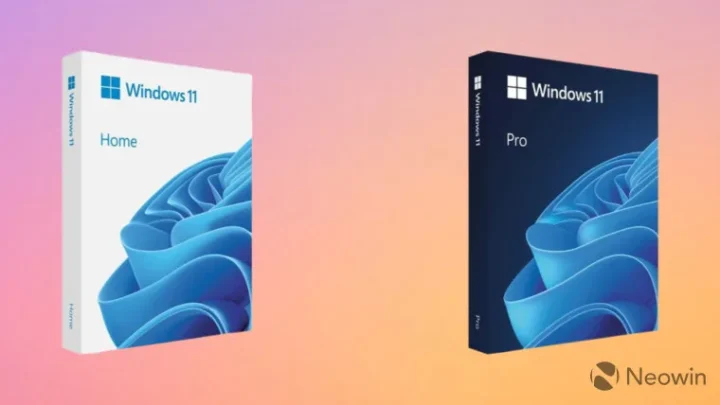
Windows 11 launched in October 2021 with stricter hardware requirements. The NT kernel remains at version 10.0 build 22000 plus. Microsoft never released a Windows 9.
| Platform | Launch Quarter Units | Peak Market Share | Design Legacy |
|---|---|---|---|
| iPhone X | 29 million Q1 2018 | 20% of active iPhones 2018 | Notch to Dynamic Island |
| Windows 10 | 110 million 10 weeks | 77% desktop Jan 2021 | Start Menu hybrid UWP |
The version skip became a case study in product marketing courses. Harvard Business School published a case on the iPhone X launch in 2019. Microsoft uses the Windows 10 transition in Azure DevOps training.
Both companies proved that version numbers are narrative tools not engineering constraints. The next major Windows release will likely drop the 10 branding entirely as of 2026.
Frequently Asked Questions
Was there ever an iPhone 9 released in any region?
No Apple never released an iPhone 9 in any market. The company announced iPhone 8 and iPhone X simultaneously on September 12 2017. The X represented the tenth anniversary design leap.
The iPhone XR and XS followed in 2018 continuing the X branding.
Did Microsoft consider calling it Windows 9 internally?
Early Windows 10 builds were codenamed Threshold and identified as version 6.4 in preview releases. The marketing name Windows 10 was finalized before the January 2015 consumer preview. Joe Belfiore confirmed in a 2014 Reddit AMA that no Windows 9 existed in development.
Why did Samsung skip the Galaxy Note 6?
Samsung aligned the Note 7 with the Galaxy S7 generation in 2016. The company wanted consistent numbering across flagship lines. The Note 7 battery issues later forced a recall but the numbering strategy remained.
Samsung released Galaxy S10 and Note 10 in 2019 continuing the milestone pattern.
Is the number 9 really unlucky in Asian markets?
The number 9 sounds like "ku" meaning suffering in Japanese. In Chinese 9 represents longevity but also finality. Both Apple and Microsoft have stated cultural superstition did not drive the decision.
The kernel version conflict and marketing milestone positioning were the documented factors.
Will there be a Windows 11 version 9 or iPhone 9 retroactively?
Neither company retroactively fills version gaps. Windows 11 launched in 2021 with kernel version 10.0 build 22000. Apple continues sequential numbering from iPhone 13 to 15 as of 2026.
Version numbers serve forward-looking brand strategy not historical completeness.

Similar Posts