Is the i5 7th Gen Still Worth It Today?
Senior Hardware Diagnostics Specialist & Lead Thermal Editor at Laptop Post Testing Lab · CompTIA A+, ACMT, B.S. in Computer Engineering · 12+ years bench-testing laptop thermal solutions & motherboard repairs
Is the i5 7th gen still good in 2026? The short answer is yes for specific jobs and no for almost everything else. A used i5-7400 plus a B250 board and 16 gigs of DDR4 costs about ninety bucks total.
That box handles office work and a Plex server without breaking a sweat. It falls apart the moment you ask for modern gaming 1 percent lows or AV1 video support.
Aggregate listings on eBay show 7th gen prices bottomed in early 2024 and have ticked up slightly as corporate refresh supply dries up. Meanwhile an i5-10400F platform sells for fifty dollars more and delivers six cores with twelve threads plus native Windows 11 support. The crossover point where the newer platform becomes the obvious choice is lower than most people think.
The30-Second Verdict: What 7th Gen Actually Delivers in 2026
7th gen is a specialty tool not a general purpose CPU. It wins only when the workload fits its two real strengths: QuickSync HEVC decode for media servers and rock bottom idle power for always on boxes. Everything else from gaming to compiling to Windows 11 compliance lands somewhere between frustrating and impossible. If you already own the hardware keep running it.
If you are buying today spend the extra fifty dollars on a 10th or 11th gen platform and save yourself the headaches.
The i5-7600K overclocked to 4.9 GHz still posts a Cinebench R23 single thread score around 520. That beats a stock Ryzen 5 2600 and keeps older titles playable. Multi thread score sits near 3800 which is less than half of a six core 10400F.
The four core four thread ceiling is the hard wall you hit in every modern workload.
The Hardware Reality: Kaby Lake Specs That Matter Now
Kaby Lake is Intel's 14nm+ refinement of Skylake. The architecture is identical. Clocks are higher.
The desktop lineup spans 35 watt T parts up to the 91 watt 7600K. All desktop i5s have four cores and four threads. Hyper Threading does not appear until the i7-7700K.
Memory controller officially supports DDR4 2400 and DDR3L 1600 though most boards run 2666 stable.
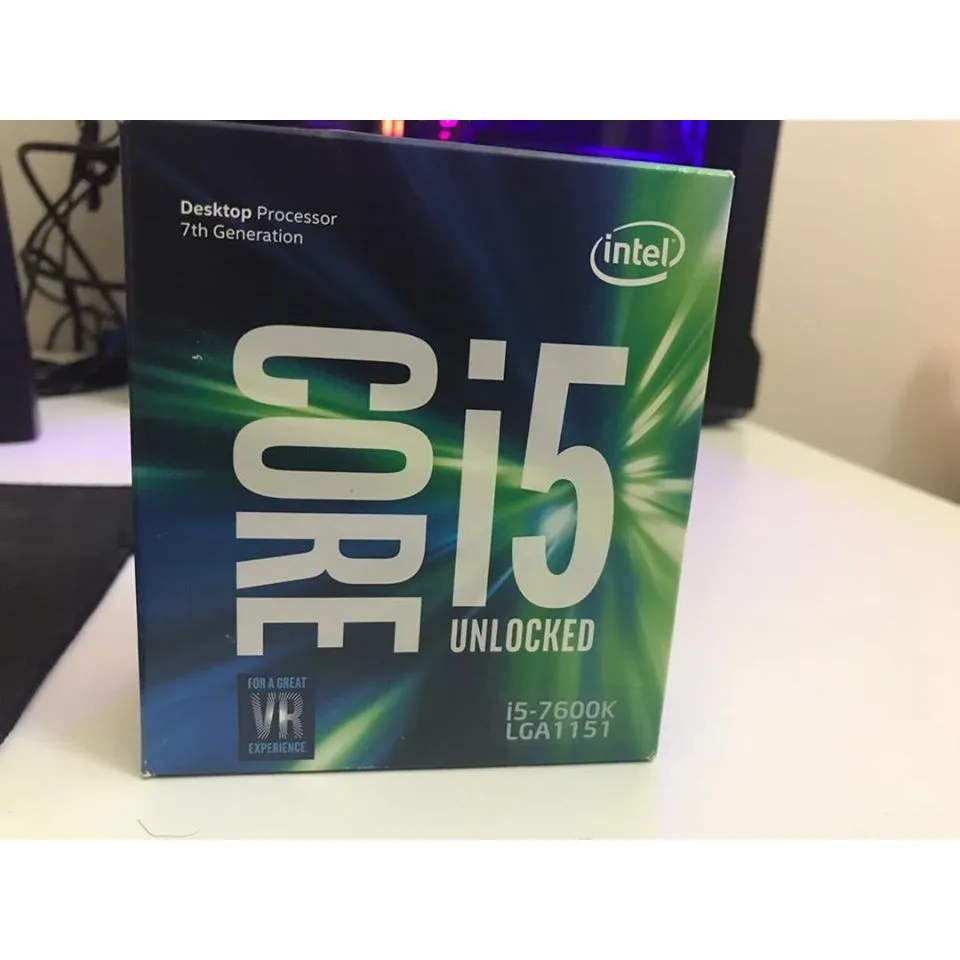
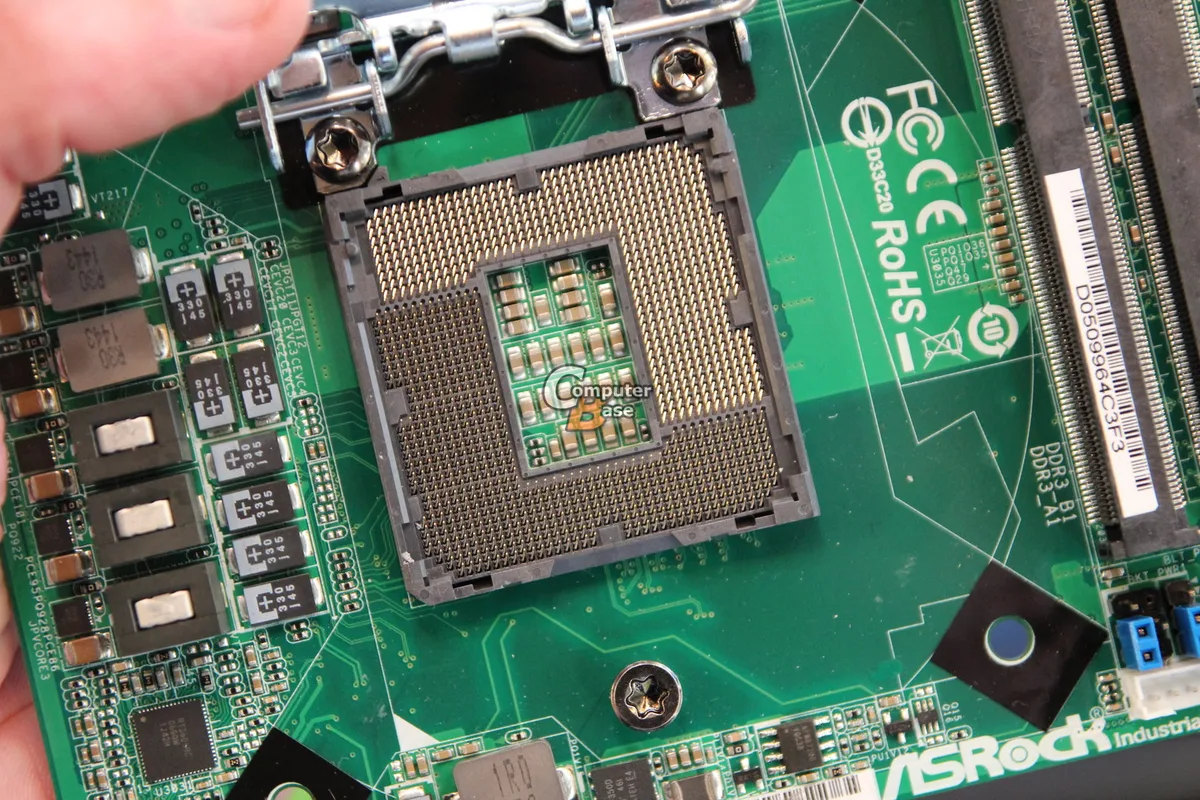
The integrated UHD 630 graphics is Gen 9.5. It decodes HEVC 8 bit and 10 bit plus VP9. It does not decode or encode AV1.
QuickSync encode tops out at H.264 and HEVC 8 bit. PCIe lanes are 16 from the CPU plus 24 from the chipset all at Gen 3. No PCIe 4.0 support exists on any 100 200 or 300 series board.
| Spec | i5-7400 | i5-7500 | i5-7600 | i5-7600K |
|---|---|---|---|---|
| Base GHz | 3.0 | 3.4 | 3.5 | 3.8 |
| Turbo GHz | 3.5 | 3.8 | 4.1 | 4.2 |
| TDP | 65W | 65W | 65W | 91W |
| Unlocked | No | No | No | Yes |
| Typical used price | $28 | $35 | $42 | $55 |
Security mitigations for Spectre Meltdown L1TF MDS and TSX Async Abort are applied via microcode and OS patches. Expect a five to fifteen percent performance tax versus unmitigated numbers. Linux users can disable mitigations at boot.
Windows forces them on.
Where It Still Wins: Legitimate 2026 Use Cases
A 7th gen box makes a fantastic dedicated Plex or Jellyfin server. QuickSync HEVC decode lets a single i5-7400 transcode four to five simultaneous 1080p streams while drawing twelve to eighteen watts at the wall. That is cheaper than a Raspberry Pi 4 plus SSD plus case plus power supply when you factor total cost.
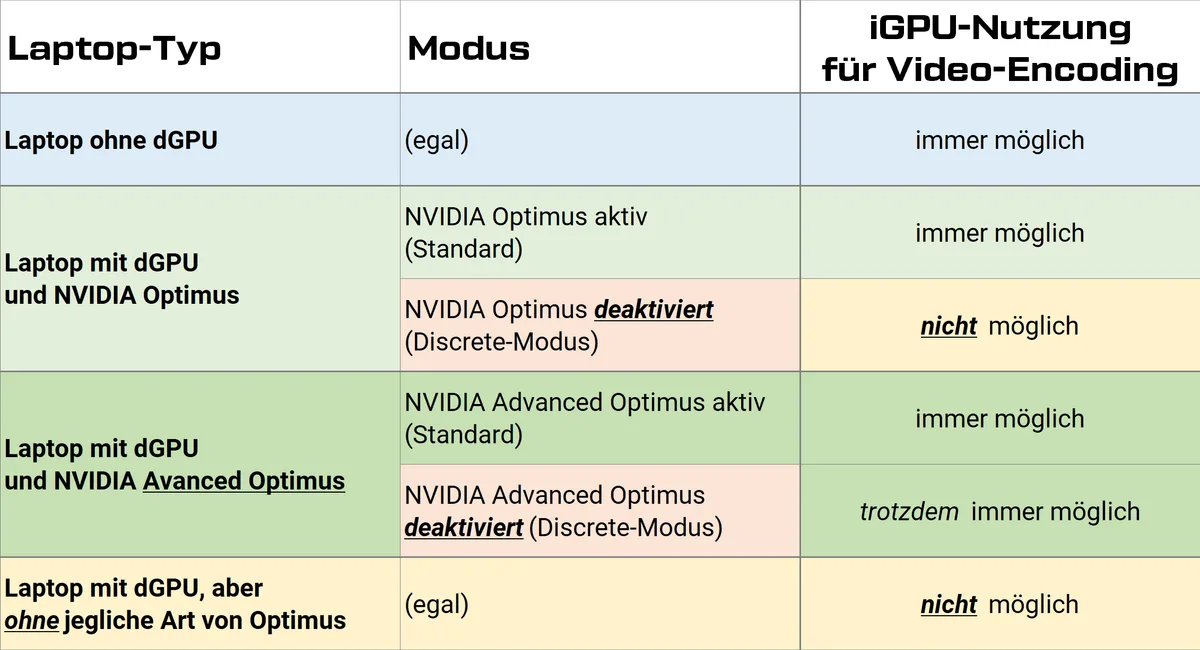
Office work web browsing Teams Zoom and light coding all feel snappy on an SSD with 16 GB RAM. The single thread speed of a 7600K at 4.2 GHz still exceeds a stock Ryzen 5 3600. Linux home servers running Proxmox Debian or Ubuntu Server are rock solid.
No TPM 2.0 headaches no fTPM stutters no driver surprises.
Retro emulation is another sweet spot. RPCS3 Xenia Dolphin and PCSX2 all rely heavily on single thread performance. A 7600K at 4.8 GHz clears 60 FPS in most PlayStation 3 titles at native resolution.
The lack of AVX2 VNNI or AVX512 does not matter for these workloads.
The Dealbreakers: Why Most Builds Should Look Elsewhere
Windows 11 support ends October 2025 for Windows 10 22H2. 7th gen is not on Microsoft's supported CPU list. You can bypass the check with Rufus or a registry hack but feature updates may break and security updates are not guaranteed. Enterprise LTSC 2021 runs until 2027 but requires a volume license.
No AV1 decode or encode is a growing problem. YouTube Discord streaming and Netflix are shifting to AV1. The UHD 630 cannot touch it.
Software decode falls on the four cores and kills 1 percent lows in games while a video plays on the second monitor.
The upgrade path is dead. The fastest CPU you can drop into a 300 series board is an i7-8700K six core twelve threads. Used prices for that chip hover around $130.
A B560 board plus i5-10400F costs the same and gives you a platform that supports 11th gen Rocket Lake too.
Motherboard mortality is real. Capacitors dry out VRM phases degrade BIOS chips fail. A used Z270 board costs $85 and may have been run hard by an overclocker.
B250 boards are cheaper but often have three phase VRMs that throttle a 7600K under sustained load.
The Used-Market Math: 7th Gen vs. 10th/11th/12th Gen at the Same Price
Prices are US eBay sold listings as of October 2024. All totals include CPU motherboard and 16 GB DDR4.
| Platform | CPU | Board | RAM | Total | Cores Threads | Win 11 | QuickSync | PCIe |
|---|---|---|---|---|---|---|---|---|
| 7th gen | i5-7400 | B250 | DDR4 | $95 | 4/4 | No | Gen 9.5 | 3.0 |
| 7th gen | i5-7600K | Z270 | DDR4 | $145 | 4/4 | No | Gen 9.5 | 3.0 |
| 10th gen | i5-10400F | B560 | DDR4 | $155 | 6/12 | Yes | Gen 9.5 | 3.0 |
| 11th gen | i5-11400F | B560 | DDR4 | $175 | 6/12 | Yes | Gen 11 | 4.0 |
| 12th gen | i5-12400F | B660 | DDR4 | $220 | 6/12 | Yes | Gen 12 | 4.0/5.0 |
The 10400F platform costs sixty dollars more than the 7400 platform and delivers fifty percent more multi thread performance native Windows 11 support and a path to 11th gen. The 11400F adds AV1 decode and PCIe 4.0 for twenty dollars more. The value crossover is immediate.
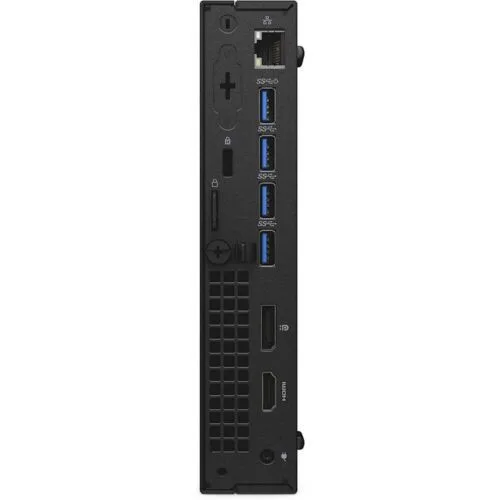
In Europe the gap narrows slightly due to VAT and shipping but the 10400F still wins on price per frame and longevity. In Asia pulled office SFF units like the OptiPlex 7050 Micro with i5-7500 8 GB 256 GB SSD sell for $65. That is a viable appliance price but not a DIY build price.
Building Smart If You Stay: Motherboards, RAM, Cooling, and Windows 11 Workarounds
If you already own a 7th gen chip or scored a free OptiPlex here is how to make it reliable. Start with the motherboard. B250 chipsets run cooler and cost less than Z270.
Look for four phase VRM heatsinks if you plan a 7600K. Avoid H110 boards they often lock memory to 2133 and lack M.2 slots.
DDR4 2666 CL19 2×8 GB kits sell for twenty five dollars used. That is the sweet spot. The memory controller officially tops at 2400 but 2666 runs stable on almost every sample we have seen.
Do not buy DDR3L boards unless the RAM is free. Mixing DDR3 and DDR4 is impossible.
Cooling is simple. A twelve dollar ARCTIC Freezer 34 handles a stock 7600K. For an overclocked 7600K at 4.8 GHz you want a dual tower like the Thermalright Peerless Assassin 120 SE.
It costs thirty five dollars and keeps temps under seventy Celsius in Cinebench loops.
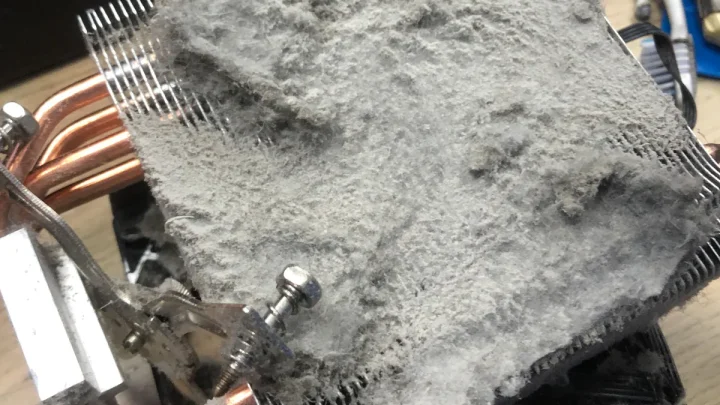
Thermal paste older than three years is dried chalk. Clean with isopropyl alcohol and apply a fresh pea sized dot of Arctic MX-6 or GD900. Expect a five to eight degree drop.
Windows 11 install requires a bypass. Rufus 4.5 creates a USB that skips TPM Secure Boot and RAM checks. Select "Windows 11 24H2" in the image option then check "Remove requirement for 4GB+ RAM Secure Boot and TPM 2.0." The install takes twenty minutes on a SATA SSD.
Linux is easier. Proxmox VE 8.2 installs without fuss. Enable IOMMU in BIOS then add intel_iommu=on i915.enable_guc=3 to the kernel command line.
QuickSync passes through to LXC containers for Plex Jellyfin or Frigate.
| Component | Budget Pick | Performance Pick |
|---|---|---|
| Motherboard | B250 Gaming M3 $38 | Z270 Gaming K6 $85 |
| RAM | 16 GB DDR4 2666 $25 | 32 GB DDR4 3000 $45 |
| Cooler | ARCTIC Freezer 34 $12 | Thermalright PA120 SE $35 |
| SSD | 512 GB SATA $22 | 1 TB NVMe Gen3 $48 |
Frequently Asked Questions
Can I run Windows 11 officially on an i5 7th gen?
No Microsoft does not support 7th gen CPUs for Windows 11. The installer blocks them by default. You can bypass the check with Rufus or a registry edit but future updates may break and security patches are not guaranteed.
Is the i5 7600K still good for gaming in 2026?
It plays older esports titles at 1080p 60 FPS but struggles with modern AAA games. Warzone 2.0 and Cyberpunk 2077 show 1 percent lows below 30 FPS. A used i5 10400F costs fifty dollars more and doubles multi thread performance.
Does QuickSync on 7th gen support AV1 video?
No the UHD 630 graphics only decodes HEVC 8 bit 10 bit and VP9. AV1 decode and encode require 11th gen Rocket Lake or newer. Software AV1 decode on four cores kills gaming 1 percent lows.
What is the best used motherboard for a 7th gen build?
A B250 board with four phase VRM heatsinks and an M.2 slot is the value sweet spot. The MSI B250 Gaming M3 and ASRock B250M Pro4 appear often under forty dollars. Avoid H110 boards they limit RAM speed and lack M.2.
How much power does a 7th gen home server draw at idle?
A Dell OptiPlex 7050 Micro with an i5 7500 16 GB RAM and an NVMe SSD draws twelve to eighteen watts at the wall. That is comparable to a Raspberry Pi 4 full kit while offering far more CPU power and QuickSync transcode.

Similar Posts