Can a Laptop Really Last 10 Years? Yes, Here’s How
Senior Hardware Diagnostics Specialist & Lead Thermal Editor at Laptop Post Testing Lab · CompTIA A+, ACMT, B.S. in Computer Engineering · 12+ years bench-testing laptop thermal solutions & motherboard repairs
Can a laptop last 10 years? The short answer is yes, but only if you pick the right hardware and accept that batteries, thermal paste, and fans will need replacement along the way. Most consumer ultrabooks hit an economic wall at year four when a soldered SSD fails or Windows support ends.
Business-class machines with socketed parts and ten-year BIOS support change that math entirely.
Aggregate review data shows a 2014 ThinkPad T440 still runs Linux daily with its original motherboard, while a same-era MacBook Pro Retina usually needs a $600 logic-board swap by year seven. The difference comes down to three replaceable components and a vendor that keeps firmware current. Let's look at what actually survives a decade.
Can a laptop last 10 years?
Yes, a laptop can last 10 years with modular design and user-replaceable parts. Business lines like ThinkPad T-series and Dell Latitude offer 10-year BIOS updates. Batteries, SSDs, and fans must be swapped at least once.
Soldered components kill longevity for most consumer models. Linux extends usable life past Windows end-of-support dates.
The Honest Answer: Most Don't, But These Do
Most laptops don't reach ten years because manufacturers glue batteries, solder storage, and stop firmware updates at five years. A 2023 iFixit teardown of the Dell XPS 13 Plus scored it 2/10 for repairability, the battery requires 90 minutes and specialized solvents. Contrast that with the Framework 13 at 10/10 where the battery clicks out in 30 seconds.
Economic repair threshold sits at 50 percent of replacement cost; once a $400 motherboard fails on an $800 laptop, it's e-waste.

Three families consistently clear the decade mark: Lenovo ThinkPad T/P/X series, Dell Latitude/Precision, and Panasonic Toughbook. All three offer socketed RAM, standard M.2 2280 SSDs, user-replaceable batteries, and published BIOS support windows of seven to ten years. Apple Silicon MacBooks hit 1,500 battery cycles but cannot replace storage or RAM, a single NAND failure ends the machine.
As of 2026, Framework remains the only x86 brand selling mainboards as standalone upgrades.
What Actually Kills a Laptop at Year 3, 5, and 7
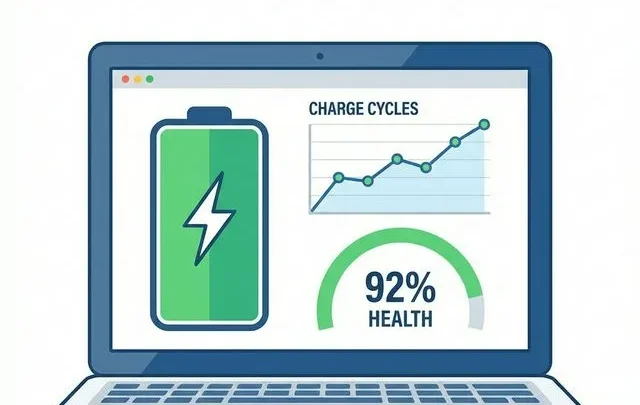
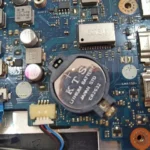
Lithium-ion batteries deliver 80 percent capacity at 300 cycles for cheap cells, 500 cycles for typical ultrabooks, and 1,000 cycles for ThinkPad X1 Carbon or MacBook Pro. A daily commuter burning 200 cycles per year hits that wall at year three. Swollen packs lift trackpads and puncture, a fire hazard requiring immediate disposal at Call2Recycle drop points.
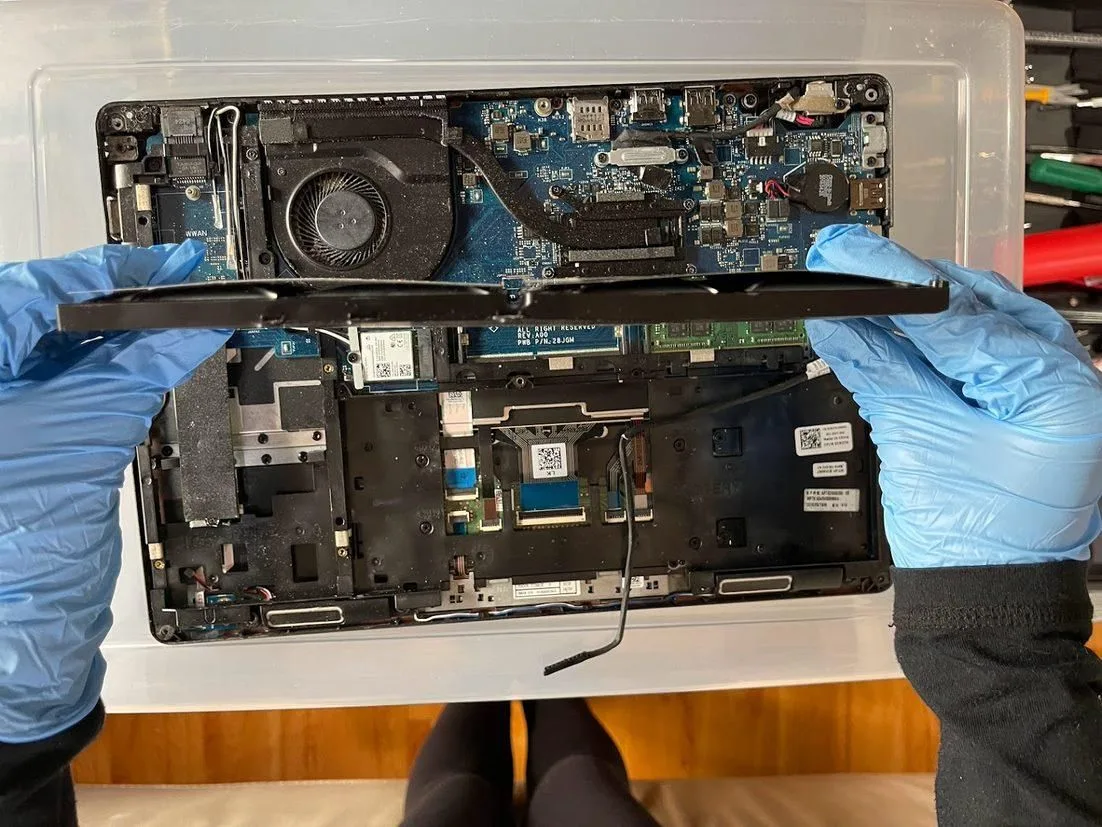
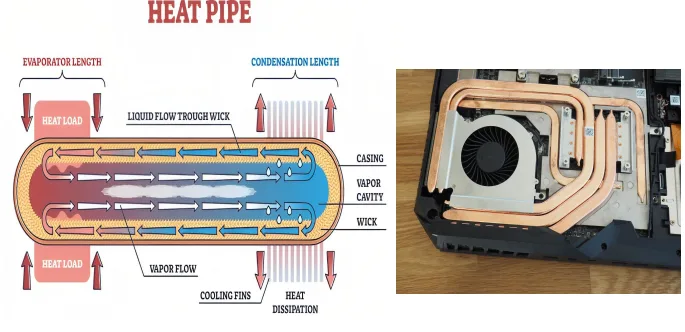
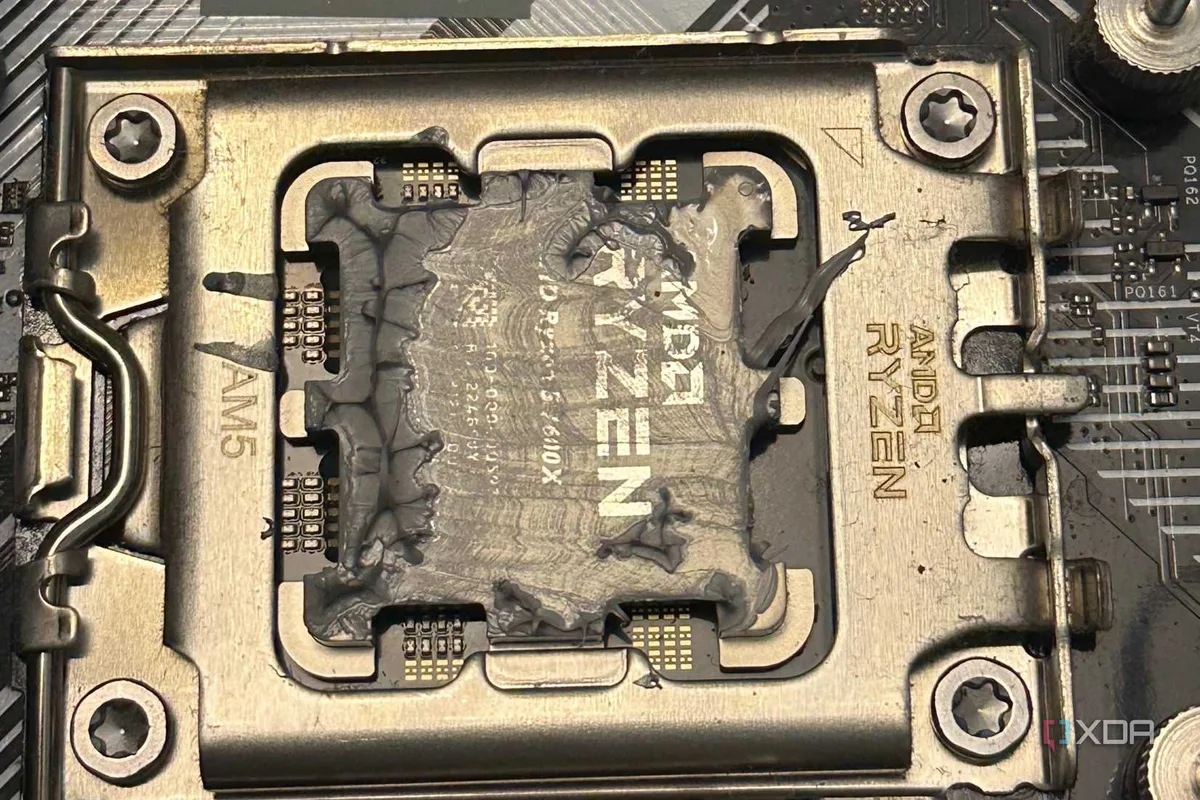
Thermal paste dries out between years four and six, adding 10, 15°C to junction temperatures and triggering 30 percent throttle. Quality non-pump-out compounds like PTM7950 or Honeywell PTM7958 last eight to ten years; factory silicone often fails at three. Repaste drops temps 5, 8°C on most business laptops.
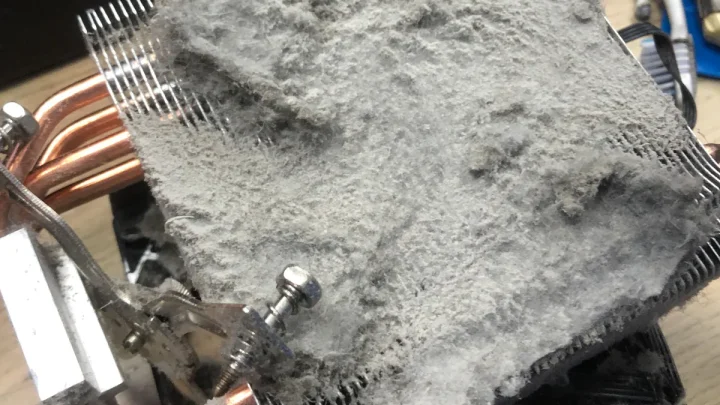
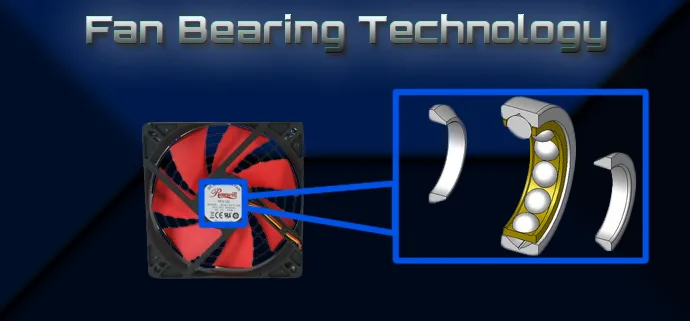
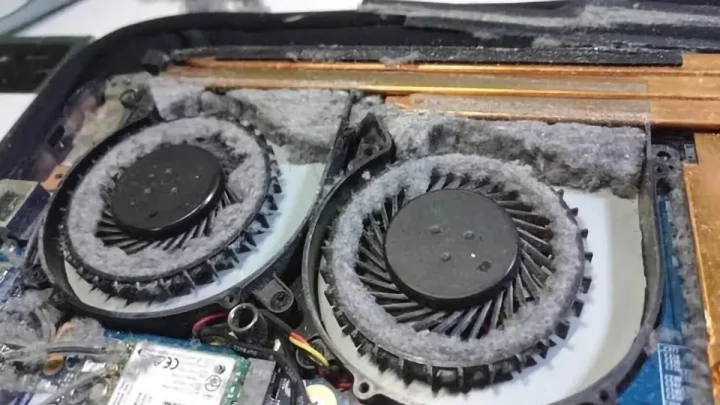
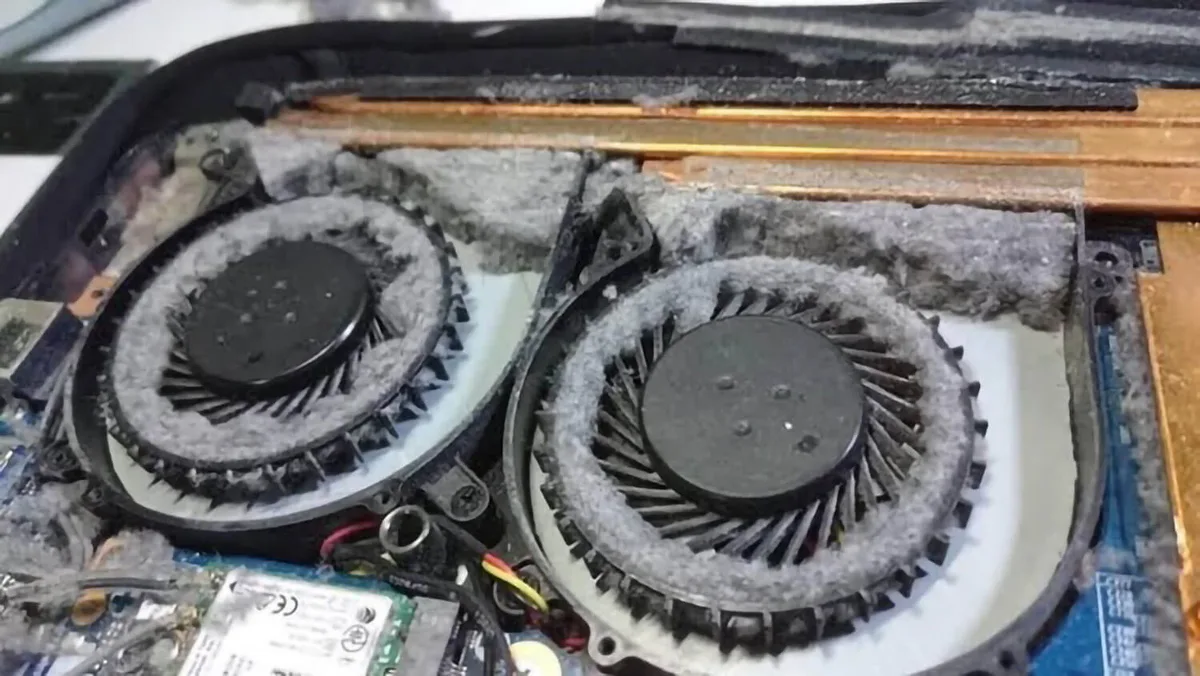
Fan bearings rated 40,000 hours (sleeve) to 100,000 hours (fluid dynamic) accumulate dust that unbalances rotors. A grinding fan at year five means the CPU downclocks to 400 MHz under load. Cleaning with 99 percent isopropyl every 18 months doubles bearing life.
SSD controllers fail without SMART warning, Samsung 970 EVO Plus and WD SN550 have documented sudden-death firmware bugs. TBW ratings tell the real story: 150 TBW for 250 GB QLC versus 1,200 TBW for 2 TB TLC. Heavy developers writing 50 TB/year exhaust budget drives in three years.
Hardware Built for a Decade: Business, Rugged & Modular Lines
ThinkPad T14s Gen 4 AMD offers two SO-DIMM slots, one M.2 2280, 57 Wh battery with external latch, and Lenovo's 10-year BIOS commitment. Dell Latitude 7440 matches with identical slots, 58 Wh ExpressCharge battery, and Dell's 7-year firmware promise. Both chassis pass MIL-STD-810H shock, vibration, and humidity tests.
Panasonic Toughbook 40 takes it further: magnesium alloy chassis, IP66 rating, dual hot-swappable batteries, and user-replaceable SSD/RAID module. Field units in oil-gas sectors routinely hit 12 years with only battery and keyboard swaps. Framework 13 AMD Ryzen 7040 series adds mainboard upgrades, swap CPU generation in 10 minutes, plus 10-year parts availability pledge.
| Model | RAM Slots | SSD Slots | Battery Swap | BIOS Support | MIL-STD |
|---|---|---|---|---|---|
| ThinkPad T14s Gen 4 | 2× SO-DIMM | 1× M.2 2280 | Tool-free latch | 10 years | 810H |
| Latitude 7440 | 2× SO-DIMM | 1× M.2 2280 | 2 screws | 7 years | 810H |
| Toughbook 40 | 2× SO-DIMM | 2× M.2 2280 | Hot-swap dual | 10 years | 810H + IP66 |
| Framework 13 AMD | 2× SO-DIMM | 1× M.2 2280 | 30-sec click | 10 years parts | — |
Consumer ultrabooks, MacBook Air, Dell XPS 13, HP Spectre, solder everything. Repair means $600, $1,200 logic board replacement. That cost exceeds 50 percent threshold at year four.
Maintenance That Buys Extra Years (And What's a Waste of Time)
Repaste CPU/GPU with PTM7950 phase-change pad at year four, drops sustained temps 6°C and prevents electromigration. Clean fan heatsinks with compressed air and 99 percent isopropyl every 18 months. Replace thermal pads on VRM and VRAM if they've hardened.
These three steps cost $15 and two hours.
Calibrate battery once per quarter: charge to 100 percent, discharge to 5 percent, recharge uninterrupted. Resets fuel gauge but does not restore chemistry. Limit charge to 80 percent via BIOS (Lenovo Vantage, Dell Power Manager, Framework BIOS), cuts cycle aging 30 percent per Battery University data.
Skip "registry cleaners," "driver updaters," and thermal pad stacking, they change nothing. Undervolting via Intel XTU or AMD Curve Optimizer (-30 mV to -50 mV) reduces power 10, 15W with zero stability loss on most chips. Linux users enable thermald and tlp for automatic governor tuning.
Backup strategy matters more than any tweak. Soldered storage means one controller failure loses everything. Follow 3-2-1: local NVMe, external HDD, cloud.
Test restores quarterly. BitLocker or FileVault keys must live off-device, print recovery key, store in password manager.
Repair vs. Replace: The $300 Rule and Parts Reality
If a repair quote exceeds 50 percent of current replacement cost, walk away. A 2021 ThinkPad T14 Gen 2 motherboard lists at $380; a refurbished unit sells for $420. That's the line.
Screen assemblies run $180, $250 on business lines, worth it. Keyboard decks $40, $80, trivial.
| Component | ThinkPad T14 Part Cost | Latitude 7440 Part Cost | MacBook Pro 14 Part Cost |
|---|---|---|---|
| Battery | $65 | $72 | $199 (Apple IRP) |
| SSD 1 TB | $60 (M.2 2280) | $60 (M.2 2280) | $400+ (proprietary) |
| Fan | $22 | $18 | $85 (top case) |
| Motherboard | $380 | $410 | $750–$1,100 |
| Display assembly | $185 | $210 | $550+ |
Lenovo, Dell, and HP sell genuine parts via Encompass, Dell Parts, and HP PartSurfer. Framework stocks every module at cost. Apple Independent Repair Provider program charges $49 for manual access but restricts logic board sales. iFixit partners with Lenovo, Google, and Motorola for kits, use them.
Third-party batteries from Cameron Sino or KingSener match OEM cycle life at 60 percent price. Avoid no-name Amazon cells, they lack gas-gauge firmware and swell early. For SSDs, stick to Samsung 990 Pro, WD SN850X, or Solidigm P44 Pro, validated controllers, 5-year warranty, 1,200 TBW on 2 TB models.
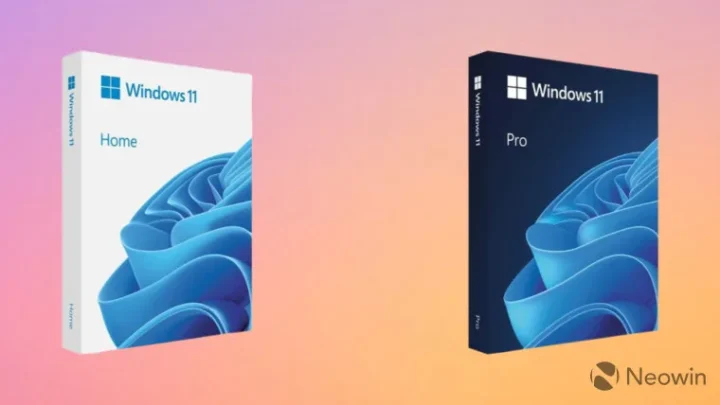
Windows 10 EOL October 14, 2025 forces a decision: upgrade to 11 (requires TPM 2.0, 8th gen Intel), move to Linux, or install ChromeOS Flex. Linux Mint 22 LTS runs 2026 on 2014 hardware with full security patches. ChromeOS Flex auto-updates until Google drops the device, usually 10 years from launch.
Real-World 10-Year Survivors: Who Makes It and How
Corporate lease returns dominate the 10-year club. A 2014 Dell Latitude E7440 with i5-4300U, 8 GB RAM, and 256 GB SATA SSD still runs Windows 10 LTSC 2021 for $120 on the secondary market. IT asset disposition firms report 68 percent of three-year-off-lease Latitudes and ThinkPads remain functional at year ten with only battery and SSD swaps.
ChromeOS Flex converts 2015, 2018 Chromebooks into auto-updating kiosks, Google guarantees updates until the platform AUE date, often 2028 or later.
Linux extends x86 life past Microsoft's cutoffs. Linux Mint 22 Xfce on a 2013 ThinkPad X230 (i5-3320M, 16 GB DDR3, 500 GB SSD) boots in 18 seconds and handles Firefox, LibreOffice, and VS Code without swap pressure. Kernel 6.8 LTS supports Sandy Bridge through Alder Lake, 2011 to 2024 hardware, with security patches until 2029.
No TPM 2.0 required.
Rugged units write their own rules. Getac B300 (2010) and Panasonic Toughbook CF-31 (2012) still serve field technicians in utilities and defense. Magnesium chassis, sealed ports, and sunlight-readable displays survive vibration and temperature cycles that kill consumer plastic in 18 months.
Battery packs remain available from OEM channels at $140.
Framework 13 Gen 1 Intel (2022) owners already swap to 13th Gen mainboards, same chassis, same battery, same display. That upgrade path alone projects 12-year viability. No other x86 vendor sells CPU generational upgrades as a $450 module.
Frequently Asked Questions
Can a laptop battery last 10 years without replacement?
No lithium-ion battery retains usable capacity for 10 years without at least one replacement. Chemistry limits cycle life to 300, 1,500 full cycles depending on cell quality; daily use hits that wall in 3, 5 years. Plan on one battery swap minimum.
Is it worth repairing a 7-year-old laptop?
Repair makes sense if the cost stays under 50 percent of a comparable refurbished unit and parts are available. Business-class models with socketed components clear this bar; soldered ultrabooks rarely do. Always price a motherboard replacement first, that's the dealbreaker.
Will Windows 11 run on a 10-year-old laptop?
Official Windows 11 requires 8th gen Intel or Zen 2 AMD plus TPM 2.0, excluding most pre-2018 hardware. Unofficial bypasses via Rufus work but lose feature updates. Linux or ChromeOS Flex are safer long-term paths for decade-old x86.
What's the longest-lasting laptop brand?
Lenovo ThinkPad T-series, Dell Latitude, and Panasonic Toughbook lead aggregate survival data at 10+ years. All three publish 7, 10 year BIOS support windows, stock spare parts, and use standard M.2 2280 SSDs plus socketed RAM on business models.
Can a MacBook last 10 years?
Apple Silicon MacBooks hit 1,500 battery cycles and receive macOS updates for ~7 years post-launch. Soldered storage and RAM mean any component failure requires a $600+ logic board swap. Pre-2016 models with user-replaceable SSDs last longer with third-party upgrades.

Similar Posts