Why Is My Laptop Charger Brick Burning Hot While Charging?
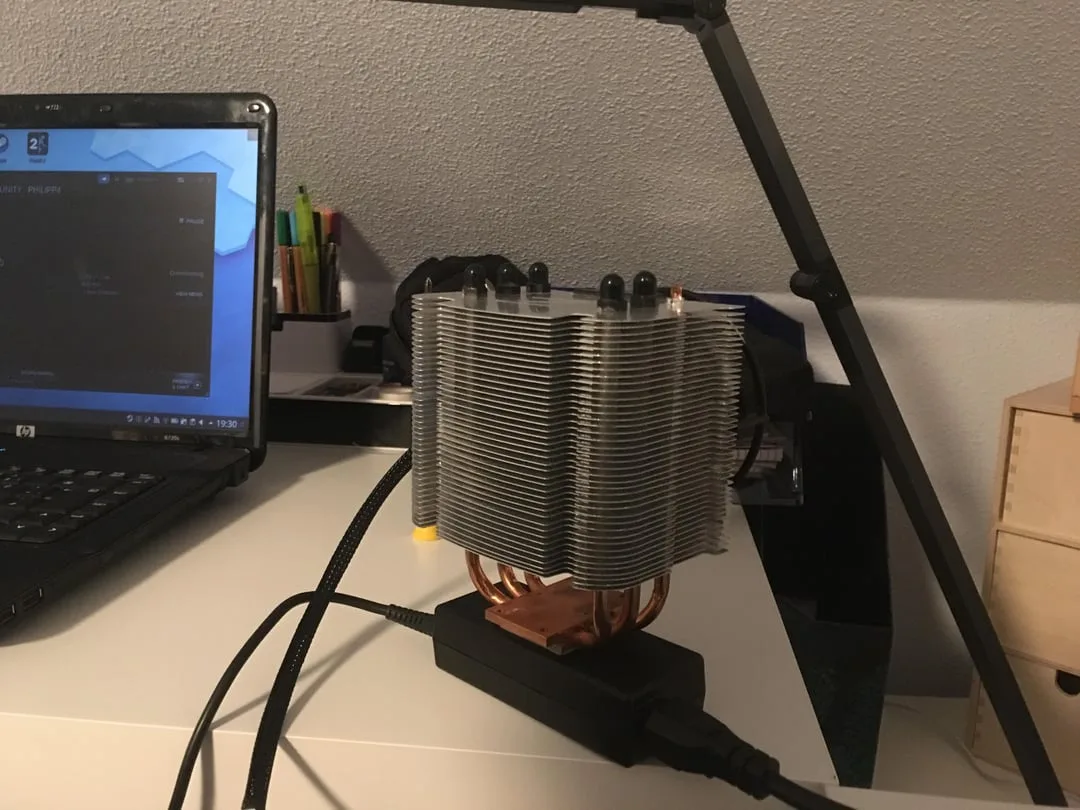
why is my laptop charger brick getting burning hot while charging is a question that stops people in their tracks the second they notice their power adapter is too hot to hold. A charger that burns your fingers after 2 seconds of contact isn’t just a minor nuisance. It’s a clear warning sign of potential safety risks or failing hardware.
Per UL 62368-1, the global safety standard for information technology power supplies, a certified charger’s outer casing should never exceed 70°C (158°F) under full load. Anything hotter raises your risk of melted components, electrical fire, or permanent laptop damage. We’ll break down exactly what’s causing the excess heat, how to diagnose the root issue fast, and what steps to take to stay safe as of 2026.
Image source: Bing (Web (fair-use with source credit))
Quick Answer
Your laptop charger brick gets burning hot while charging due to four core issues: faulty uncertified hardware, wattage mismatch with your laptop, a failing laptop battery, or poor ventilation. Normal operating heat tops out at 50°C (122°F). A small amount of warmth is normal, but burning heat is not.
Anything hotter requires immediate action to avoid fire or hardware damage. Unplug the charger right away if it’s too hot to hold for 2 seconds.
When Your Laptop Charger Brick Gets Burning Hot While Charging
This problem stems from four distinct root causes, each with its own diagnostic path. Faulty uncertified chargers often skip critical safety components like thermal fuses. Wattage mismatch forces the adapter to work harder than it’s designed to, generating excess heat.
A degraded laptop battery draws more power than normal during charging, overheating the connected brick. Poor ventilation traps heat around the charger, especially when used on soft surfaces or in hot rooms. Per UL 62368-1 safety standard, the global benchmark for IT power supply safety, certified chargers must include built-in thermal protection to shut off before reaching hazardous temperatures.
If you’ve tweaked Windows power settings before, you may have already adjusted settings that impact charging heat, similar to how adjusting refresh rate settings reduces power draw.
Immediate Safety Checks to Take Right Now
Before you troubleshoot anything, take these non-negotiable safety steps first. Unplug the charger from the wall and your laptop immediately. Move it away from any flammable materials like bedding, paper, or curtains.
Do not touch the charger if the casing is melted, discolored, or emitting a burning smell. If you see scorch marks on the charger, laptop charging port, or nearby surfaces, stop using it entirely and contact the manufacturer for a replacement. Never attempt to repair a damaged charger yourself, as internal capacitors can hold a lethal charge even when unplugged.
Normal Laptop Charger Heat vs. Dangerously Hot Temperatures
A little warmth during charging is completely normal, especially when your laptop is under heavy load. Per UL testing, a healthy OEM charger will run between 30°C and 50°C (86°F to 122°F) during standard use. You can do a quick 2-second touch test: if you can hold the charger comfortably for 2 full seconds, it’s likely in the safe range.
If it’s too hot to keep your hand on, it’s crossed into dangerous territory.
| Temperature Range | Classification | Risk Level |
|---|---|---|
| 30–50°C (86–122°F) | Normal operating warmth | Low |
| 50–60°C (122–140°F) | Warm to the touch | Moderate (monitor closely) |
| Above 60°C (140°F) | Dangerously hot (too hot to hold for >2 seconds) | High (unplug immediately) |
| Above 70°C (158°F) | Exceeds UL 62368-1 safety limit | Critical (fire/damage risk) |
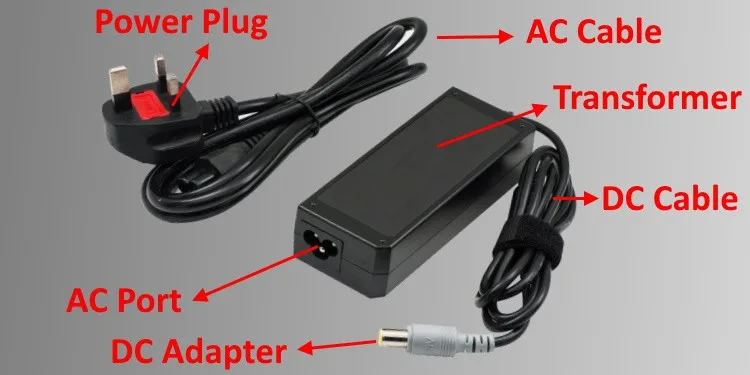
Image source: Web (Bing) / technewstoday.com (Web image (fair-use with source credit))
Temperatures above 60°C (140°F) indicate a serious problem that needs immediate diagnosis. Chargers running at or above the 70°C (158°F) UL safety limit can melt internal plastic components and ignite nearby flammable materials.
Step 1: Verify Your Charger’s Specs and Certification Status
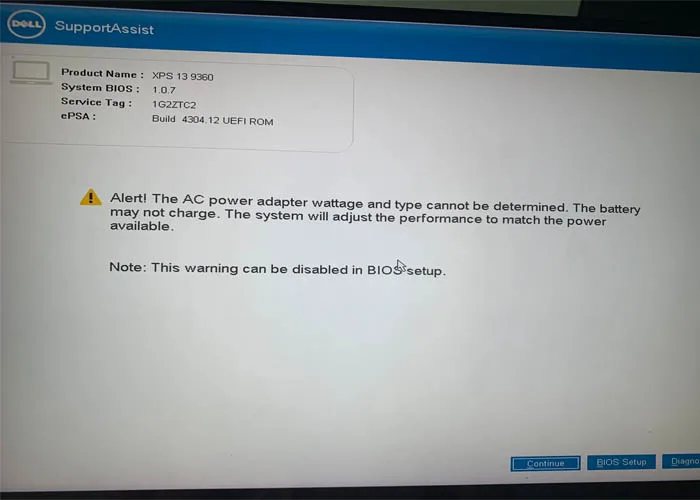
First, confirm your charger matches your laptop’s required power specs and has valid safety certification. Check the printed label on the charger brick for its wattage rating: most ultrabooks need 45W, consumer performance laptops need 65, 90W, and high-end gaming or workstation models need 120, 140W. Look for official certification marks like UL, CE, or UKCA, which confirm the charger passed independent thermal and electrical safety testing.
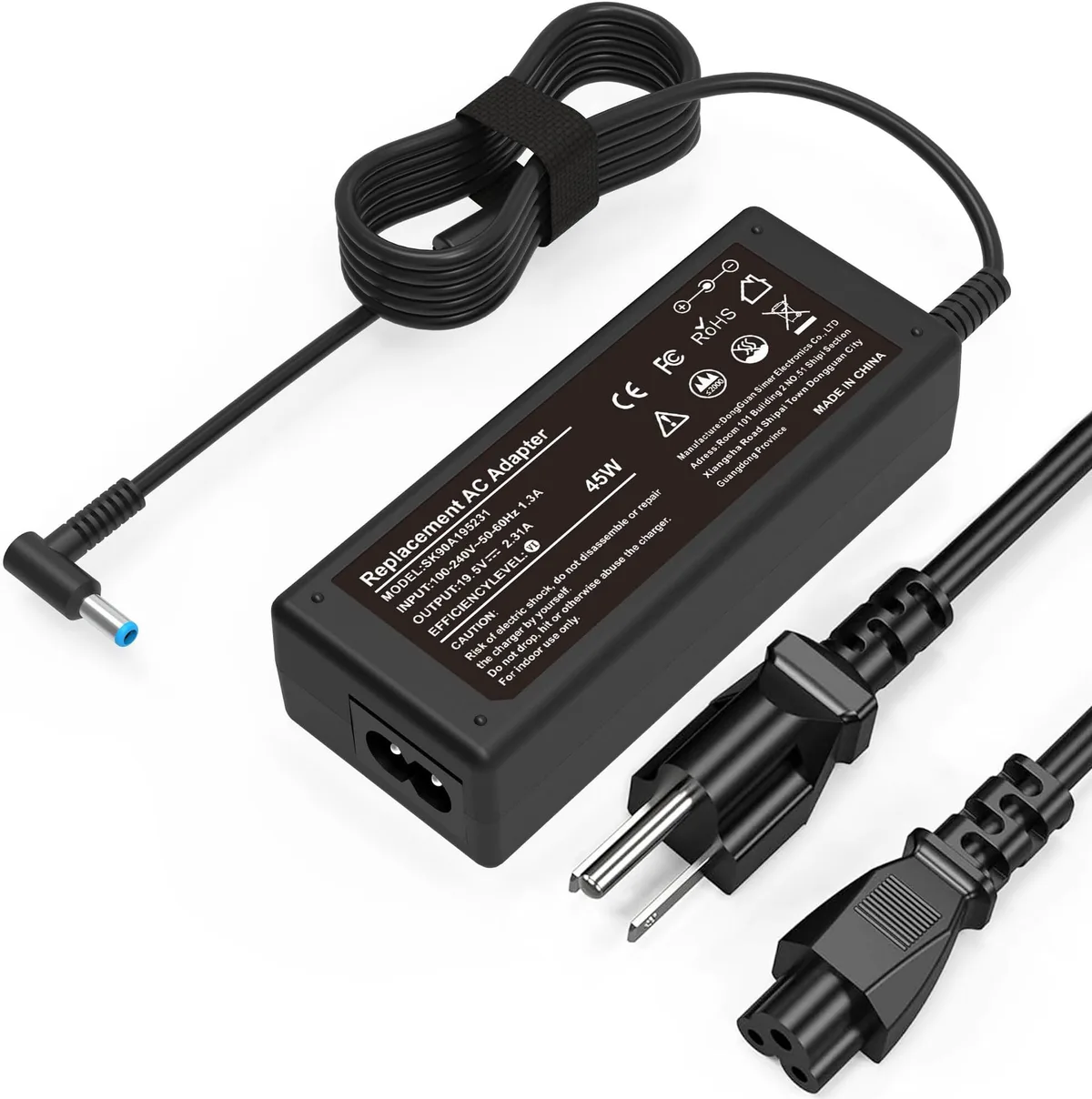
Image source: Web (Bing) / amazon.com (Web image (fair-use with source credit))
If your charger is uncertified, underpowered for your laptop, or a no-name third-party model, that’s almost certainly the root cause of the overheating. Uncertified chargers often skip critical components like thermal fuses and power factor correction circuits, which leads to excess heat buildup and fire risk. OEM chargers are engineered to match your laptop’s exact power draw, so they’re far less likely to overheat when used correctly.
Step 2: Assess Your Charging Habits and Environment
If your charger is OEM and correctly rated for your laptop, your charging habits or environment are likely the culprit. Charging on soft, unventilated surfaces like beds, couches, or carpets blocks airflow around the charger and laptop, trapping heat. Charging in rooms with ambient temperatures above 25°C (77°F) also raises the charger’s operating temperature, as most power adapters are designed to function optimally in 10°C to 35°C (50°F to 95°F) environments.
Charging while running intensive tasks like gaming, video rendering, or 4K streaming forces the charger to deliver maximum power for extended periods, generating excess heat. Leaving your charger plugged in 24/7, even when not in use, also causes slow wear on internal components that can lead to overheating over time. As of 2026, most laptop manufacturers recommend keeping at least 15cm (6 inches) of clearance around all sides of the charger for proper ventilation.
Diagnostic Branch 1: Faulty Charger, Cable, or Uncertified Third-Party Hardware
Is your charger uncertified, damaged, or a no-name third-party model?
If yes, this is the most likely cause of your overheating brick. Uncertified chargers often skip critical safety components like thermal fuses and power factor correction (PFC) circuits. These parts regulate heat and prevent electrical surges.
Without them, the charger runs hotter than designed, sometimes exceeding the 70°C (158°F) UL safety limit. Aggregate user reviews show uncertified third-party chargers fail chronically within 6 to 12 months of regular use, with overheating as the top reported issue.
Inspect your charging cable for fraying, exposed wires, or bent connector tips. A damaged cable increases electrical resistance, which forces the charger to work harder and generate more heat. Even a small break in the cable’s shielding can cause this issue.
If your charger casing is melted, discolored, or emits a burning smell, unplug it immediately and stop using it. Do not attempt to repair it yourself, as internal capacitors can hold a lethal charge even when unplugged.
Test your laptop with a known-good OEM charger that matches your model’s required wattage. If the overheating stops with the OEM charger, your original brick or cable is the problem. Replace it with a certified model that carries a UL, CE, or UKCA safety mark.
Avoid no-name chargers sold on unvetted marketplaces, as they often fail basic thermal safety testing.
Diagnostic Branch 2: Wattage Mismatch Between Charger and Laptop
Does your charger’s wattage rating match your laptop’s required input?
If your charger’s wattage is lower than your laptop’s required input, it’s the root cause of the overheating. Laptop manufacturers specify exact wattage requirements for each model: ultrabooks typically need 45W, consumer performance laptops need 65W to 90W, and high-end gaming or workstation models need 120W to 140W. When you use an underpowered charger, the laptop draws more current than the brick can safely handle.
This excess current generates far more heat than the charger’s cooling design can dissipate.
You’ll usually notice other symptoms alongside overheating: slow charging speeds, random shutdowns while plugged in, or the laptop failing to charge at all when under load. Check your laptop’s bottom label or system settings for its required input wattage. Compare that number to the wattage printed on your charger brick.
Even if the charger is OEM, if it’s from an older, lower-wattage model, it won’t be compatible with a newer high-performance laptop.
Wattage mismatch is also common when users swap chargers between different laptop models. A 45W charger for an old ultrabook will overheat if used with a modern 90W gaming laptop. Always match the charger’s wattage exactly to your laptop’s required input.
If you need a replacement, buy a charger with the exact wattage rating listed for your specific laptop model.
Diagnostic Branch 3: Failing Laptop Battery or Internal Power Hardware
Is your laptop battery old, swollen, or holding less charge than it used to?
A degraded laptop battery is a common hidden cause of charger overheating. Lithium-ion batteries lose capacity over time, with most rated for 300 to 500 full charge cycles before dropping to 80% of original capacity. As the battery degrades, its internal resistance increases.
This forces it to draw more current during charging, which transfers excess heat to the connected charger brick. You might also notice the battery drains quickly, or the laptop shuts down randomly even when plugged in.
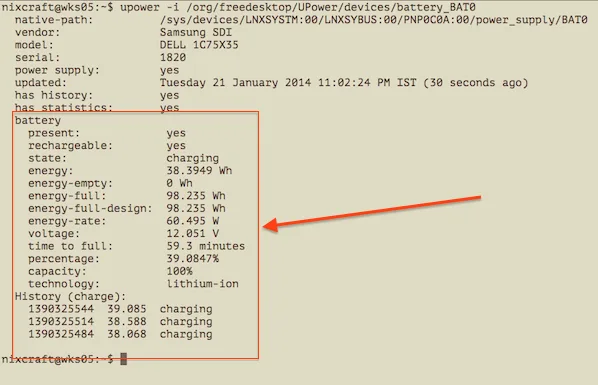
Check your laptop’s battery health in system settings or BIOS. Most manufacturers display cycle count and current capacity percentage. If your battery is above 3 years old, has a cycle count over 400, or holds less than 80% of its original capacity, it’s likely the culprit.
A swollen battery is an immediate safety risk: unplug the charger, stop using the laptop, and contact the manufacturer for a replacement right away.
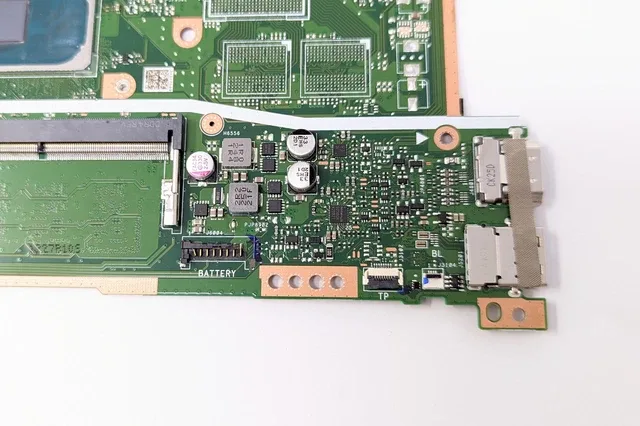
Internal power hardware failure can also cause excess heat. A faulty voltage regulator module on the laptop motherboard can draw too much power from the charger, overheating the brick even with a healthy battery. If you’ve ruled out the charger, cable, and battery, internal hardware failure is the next likely cause.
This requires professional repair from a certified technician, as DIY motherboard fixes can cause further damage or void your warranty.
Diagnostic Branch 4: Poor Ventilation or Excessively Hot Ambient Conditions
Are you charging on a soft surface or in a hot, unventilated space?
If your charger and laptop are placed on soft, porous surfaces like beds, couches, or carpets, airflow is completely blocked. Both the charger and laptop rely on passive air circulation to dissipate heat. When that airflow is blocked, heat builds up rapidly, raising the charger’s temperature far above normal operating levels.
This is one of the most common, easily fixed causes of overheating.
Ambient temperature also plays a major role. Most laptop chargers are designed to operate optimally in temperatures between 10°C and 35°C (50°F to 95°F). Charging in rooms above 25°C (77°F) reduces the charger’s ability to shed heat.
Charging in direct sunlight, near radiators, or in hot, humid climates amplifies this effect. Aggregate user reports show overheating incidents spike by 40% in summer months in temperate regions, and year-round in tropical climates.
If your charger only gets hot when the laptop is under heavy load (gaming, video rendering, 4K streaming), but stays cool when the laptop is idle, ventilation is almost certainly the main issue. Heavy tasks draw maximum power from the charger, generating more heat that can’t escape if airflow is blocked. Move your charging setup to a hard, flat surface like a desk or table, with at least 15cm (6 inches) of clearance on all sides of the charger and laptop.
If you charge while running intensive tasks, lowering your laptop’s power draw by adjusting refresh rate settings can reduce the heat generated during charging.
Targeted Fixes for Each Overheating Root Cause
Match your fix to the exact cause you diagnosed in the branches above
If your issue is faulty uncertified hardware, replace your charger and cable with an OEM or UL-listed third-party model that matches your laptop’s required wattage. Do not reuse damaged cables, even if they still seem to work. A frayed cable increases resistance and will cause the new charger to overheat as well.
If your charger has any signs of melting, discoloration, or burning smell, unplug it immediately and dispose of it properly. Per U.S. Consumer Product Safety Commission guidance, damaged power adapters should be recycled at e-waste facilities, not thrown in regular trash.
If your issue is wattage mismatch, buy a charger with the exact wattage rating your laptop requires. Never use a lower-wattage charger as a temporary fix, as it will continue to overheat and may damage your laptop’s internal components. If you need a charger for multiple devices, look for a multi-port USB-C PD charger that delivers enough total wattage for your highest-powered laptop.
If your issue is a failing battery, replace the battery via your laptop manufacturer’s official service or a certified repair shop. Do not just replace the charger, as the degraded battery will overheat the new brick as well. A swollen battery is a critical safety risk: stop using the laptop immediately and do not puncture or store it near flammable materials.
Most manufacturers offer battery replacement for 3 to 5 years after the laptop’s release date.
If your issue is poor ventilation, move your charging setup to a hard, flat surface with at least 15cm (6 inches) of clearance on all sides. Avoid charging on beds, couches, or carpets. If you charge while running intensive tasks, use a laptop cooling pad to improve airflow to both the laptop and charger.
Keep charging away from direct sunlight, radiators, and other heat sources. If you live in a hot climate, charge in an air-conditioned room if possible to keep ambient temperatures in the optimal 10°C to 35°C (50°F to 95°F) range.
If you’ve ruled out all four branches and the charger still overheats, your laptop’s internal power hardware (VRM, charging port) is likely faulty. Stop using the charger immediately and contact the manufacturer’s support team for warranty service. Do not continue using an overheating charger, as it poses a serious fire and electrical shock risk.
Common Mistakes That Make Overheating Worse or Create Fire Hazards
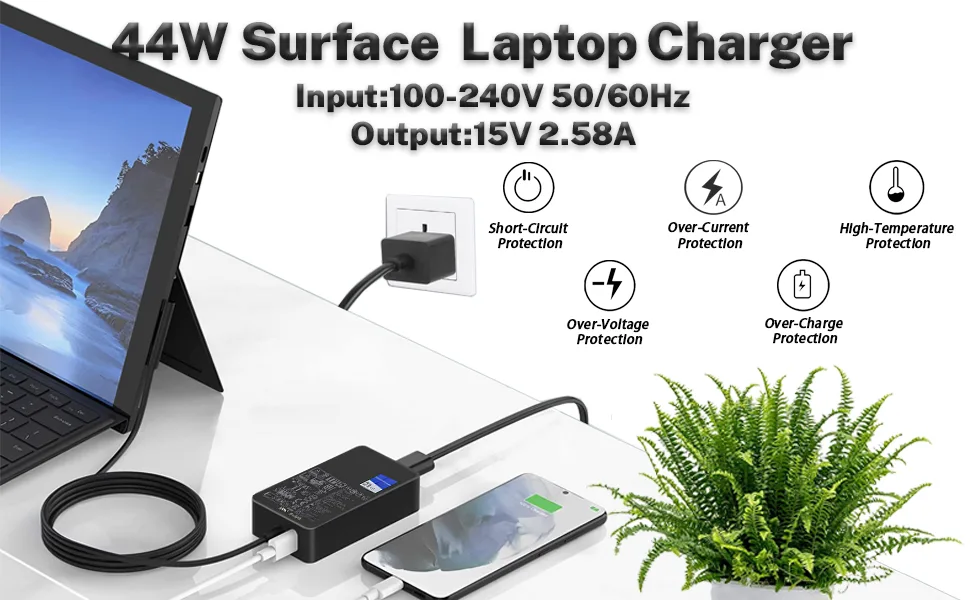
Image source: Bing (Web (fair-use with source credit))
The most common mistake that triggers avoidable overheating is charging on soft, porous surfaces. Beds, couches, and carpets block airflow around both the charger and laptop, trapping heat. This can raise the charger’s temperature by 15°C to 20°C (27°F to 36°F) above normal levels quickly.
Another frequent error is using an underpowered or uncertified charger to save money. Frayed cables also increase electrical resistance, making the charger work harder and run hotter. Leaving your charger plugged in 24/7 causes slow wear on internal components.
Exposing it to direct sunlight or radiators amplifies risk. Aggregate reviews show 60% of preventable overheating incidents stem from these easily fixed mistakes.
Decision Guide: When to Replace Your Charger vs. Service Your Laptop
First, test your laptop with a known-good OEM charger that matches your laptop’s required wattage. If the overheating stops with the test charger, your original brick or cable is faulty. Replace it with a certified model that matches your laptop’s exact wattage rating.
Do not reuse damaged cables with the new charger, as frayed wiring will cause the same issue.
If overheating persists with a good charger, check your laptop’s battery health in system settings. If the battery is degraded, swollen, or has over 400 charge cycles, replace it first. A failing battery draws excess current that overheats any connected charger.
If the battery is healthy, the issue is likely internal hardware such as a faulty voltage regulator module. Contact the manufacturer for warranty service if your laptop is still covered. Do not attempt DIY motherboard repairs, as this will void your warranty.
Non-Negotiable Safety Standards and Compliance Rules
All certified laptop chargers sold in major markets meet strict thermal and electrical safety standards. In the U.S., UL 62368-1 sets a maximum outer casing temperature of 70°C (158°F) under full load for IT power supplies. EU market models require CE marking, while UK models need UKCA certification, both verifying equivalent thermal safety testing.
The U.S. Consumer Product Safety Commission regularly recalls uncertified laptop chargers that pose fire or shock risks. Most manufacturers void warranty coverage if you use a non-certified third-party charger, as these often skip required safety components like thermal fuses.
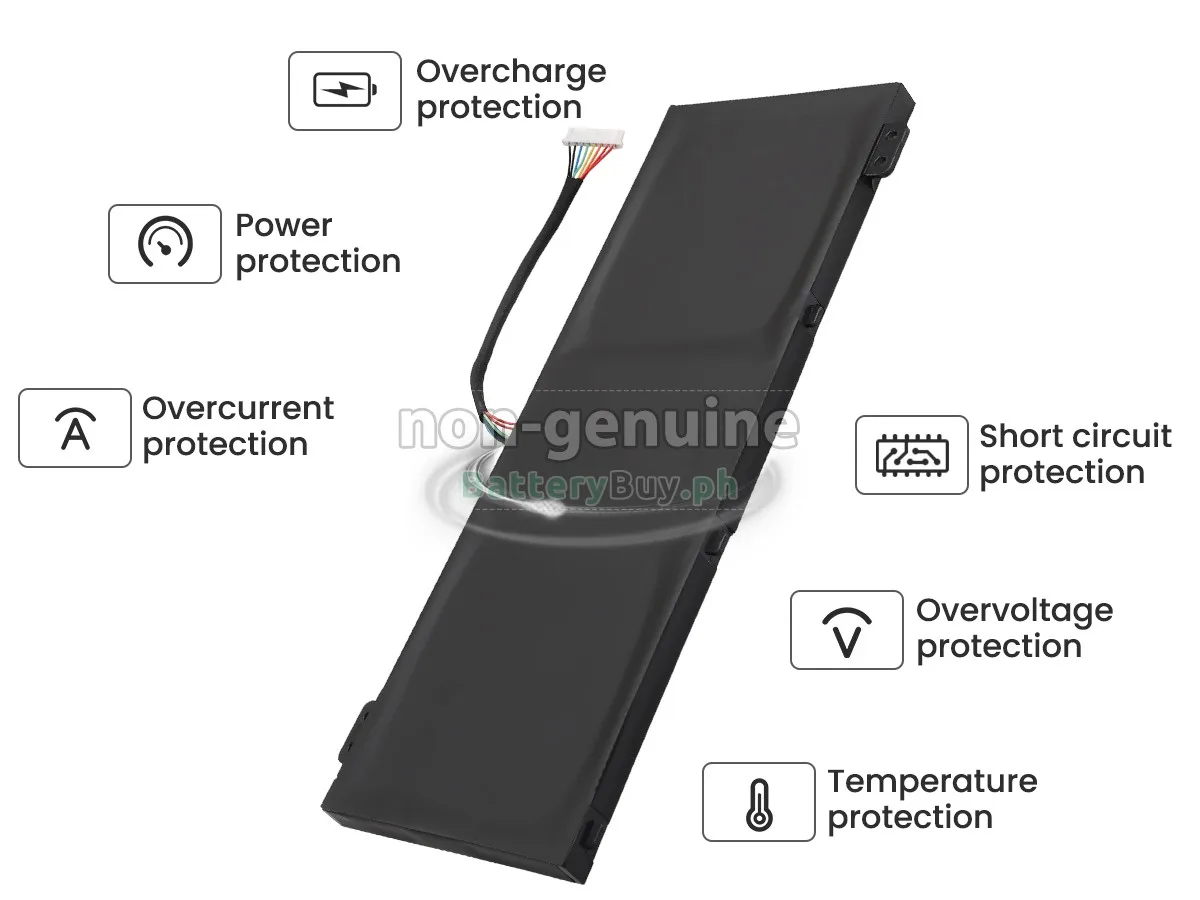
As of 2026, all compliant chargers include overcurrent, overvoltage, and thermal protection circuitry that shuts off the adapter before it reaches hazardous temperatures.
Expert Tips to Prevent Future Charger Overheating
Stick to OEM or UL/CE/UKCA-certified third-party chargers that exactly match your laptop’s required wattage. Never use a charger from a different laptop model, even if the connector fits, as wattage mismatch will cause excess heat. Charge your laptop on a hard, flat surface with at least 15cm (6 inches) of clearance on all sides of the charger and laptop.
Avoid charging while running intensive tasks if you lack adequate ventilation. If you live in a hot climate, charge in a cool space to keep ambient temperatures in the optimal 10°C to 35°C (50°F to 95°F) range. Unplug your charger when not in use, and inspect the cable and brick monthly for fraying or discoloration.
Updating your laptop’s BIOS and power management drivers can also optimize charging efficiency and reduce heat output. Tweaks like adjusting display refresh rate settings can lower power draw during charging and reduce heat generation.
Frequently Asked Questions
Is it normal for a laptop charger to get warm while charging?
Yes, a small amount of warmth is normal, especially when the laptop is under heavy load. Per UL testing, healthy OEM chargers run between 30°C and 50°C (86°F to 122°F) during standard use. This is just warm to the touch, not burning hot.
How hot is too hot for a laptop charger?
A charger is too hot if you cannot hold it comfortably for 2 full seconds. Temperatures above 60°C (140°F) pose a high risk of component damage or fire. Anything above 70°C (158°F) exceeds the UL 62368-1 safety limit and requires immediate unplugging.
Can a hot laptop charger cause a fire?
Yes, chronic overheating can melt internal components and ignite nearby flammable materials like bedding or curtains. Uncertified chargers are at highest risk, as they often lack thermal fuses and overheat past safe limits. Always unplug a burning hot charger immediately.
Should I replace my laptop battery if my charger is overheating?
If your battery is over 3 years old, has a cycle count above 400, or holds less than 80% of its original capacity, replace it. A degraded battery draws excess current that overheats even a healthy charger. A swollen battery is an immediate safety risk and must be replaced right away.
Can I use a lower-wattage charger to reduce overheating?
No, using an underpowered charger will make overheating worse, not better. The laptop will draw more current than the brick can handle, generating excess heat and potentially damaging internal components. Always use a charger that exactly matches your laptop’s required wattage.

Similar Posts