How to Stop Your Wooden Lap Desk From Overheating Your Legs
Senior Hardware Diagnostics Specialist & Lead Thermal Editor at Laptop Post Testing Lab · CompTIA A+, ACMT, B.S. in Computer Engineering · 12+ years bench-testing laptop thermal solutions & motherboard repairs
Using a wooden lap desk in bed often leads to uncomfortable heat buildup on your thighs. This common issue occurs because solid wood acts as a thermal insulator, trapping exhaust heat against your body while blocking essential laptop vents.
As of 2026, many high-performance laptops generate significant thermal energy that requires constant air circulation to function efficiently. Per standard thermal management guidelines provided by the IEEE, maintaining unobstructed airflow is critical to preventing component failure and thermal skin irritation.
Quick Answer
You can stop a wooden lap desk from overheating your thighs. Prop the laptop rear up to increase airflow. Add a ventilated buffer between the device and wood.
Clear out any dust from your laptop cooling vents. These simple steps stop heat from trapped air. They keep your legs cool while you work in bed.
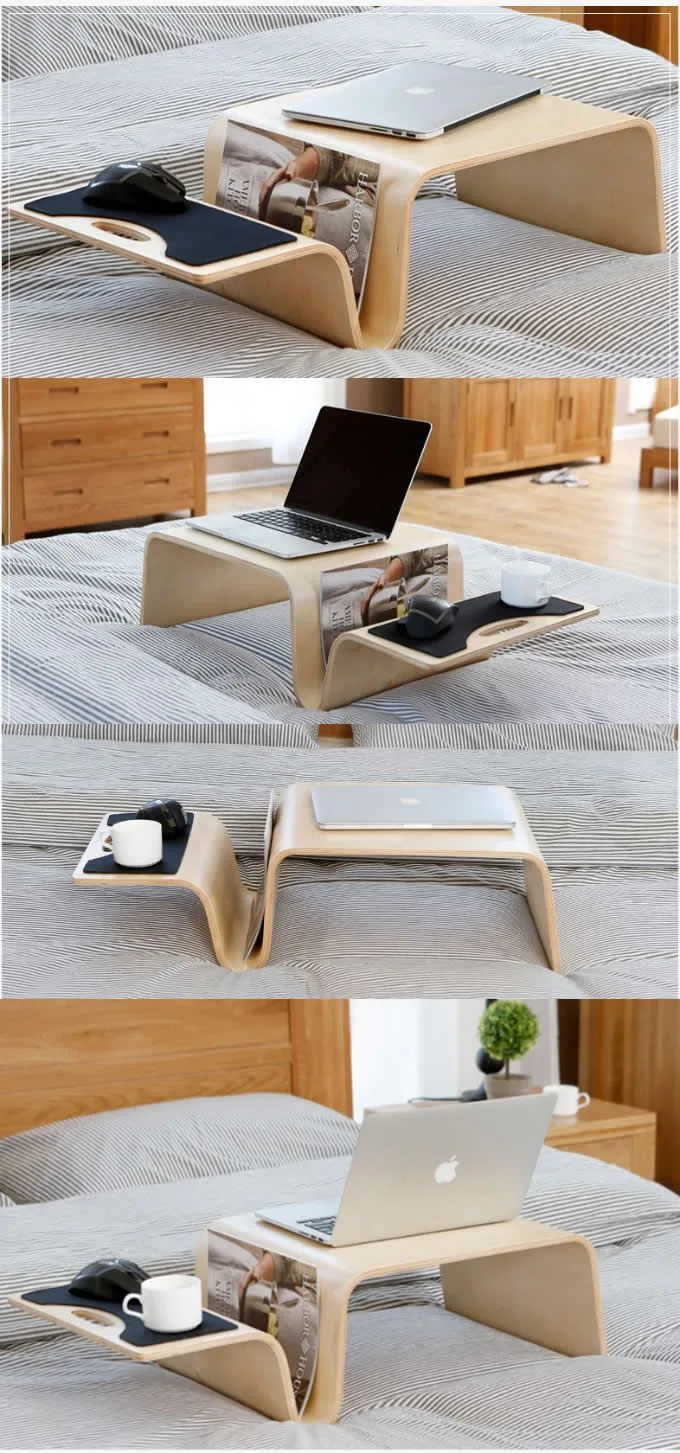
Image source: Bing (Web (fair-use with source credit))
Why Your Wooden Lap Desk is Trapping Heat
When you place a laptop on a flat wooden surface, you effectively seal off the intake vents located on the bottom of the device. Most wooden lap desks are non-porous and lack the necessary gaps for air intake. This creates a vacuum effect where the internal fans struggle to pull in cool air.
As the air remains stagnant, the laptop chassis absorbs the excess heat from the CPU and GPU. Wood is a poor thermal conductor, so it holds onto this heat rather than dissipating it into the surrounding room. This trapped energy then radiates directly into your lap through the wood.
The Science of Laptop Airflow and Thermal Insulation
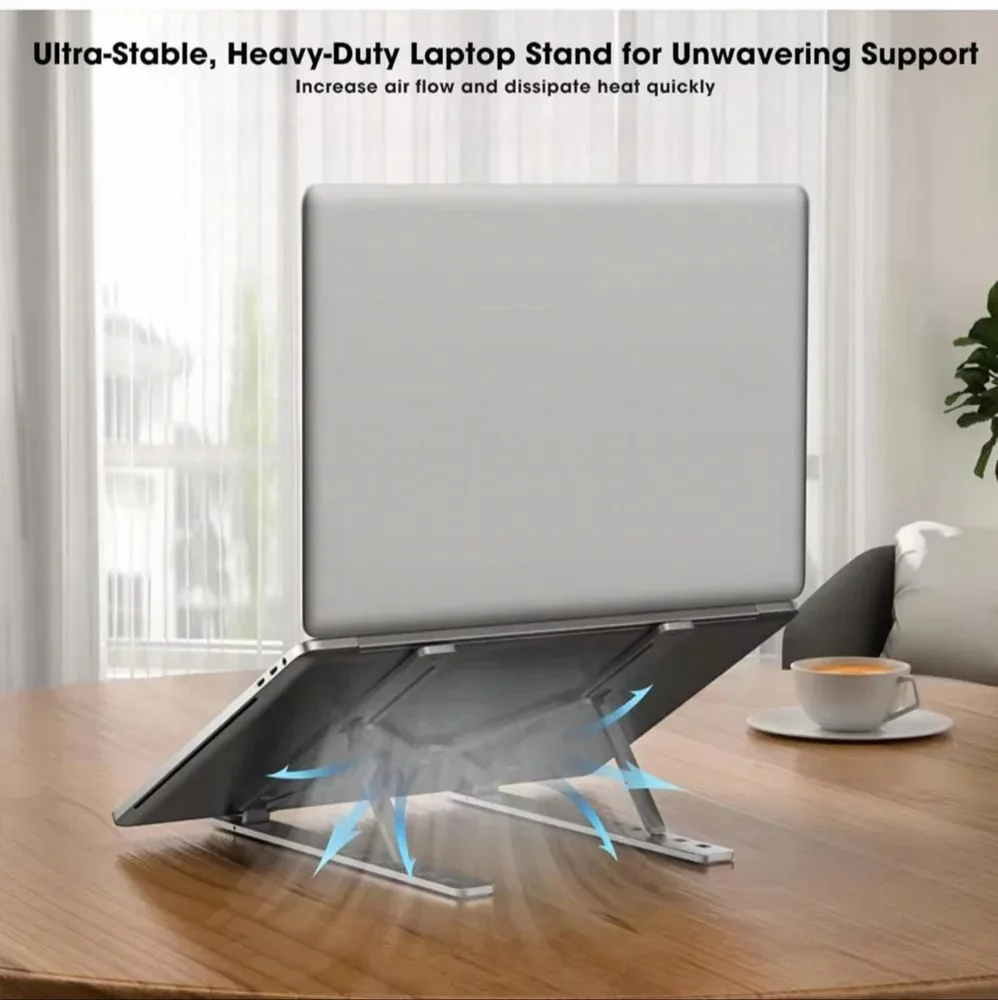
Laptops rely on active cooling systems that pull air through intake vents and push hot air out through exhaust ports. When you disrupt this cycle, the laptop enters a state of thermal throttling. This is a safety feature where the processor slows its speed to reduce heat output, which makes your computer feel sluggish.
Heat transfer occurs through conduction when the hot laptop base touches the wooden surface. Because wood has low thermal diffusivity, the surface temperature of your desk rises steadily during heavy use. Managing this heat is about maintaining a steady state of airflow across the entire bottom of the machine.
Assessing Your Setup: Intake Vents vs. Rear Exhaust
You must identify where your laptop draws air before applying a fix. Check the bottom of your machine for perforated grates or intake vents. If these are present, your lap desk is likely obstructing your primary cooling source.
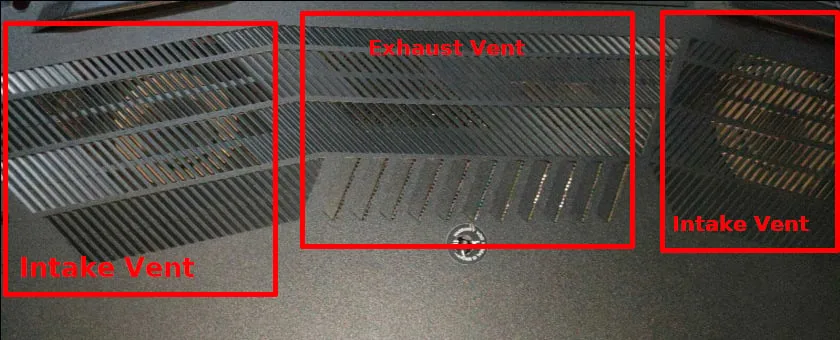
Image source: Bing (Web (fair-use with source credit))
If your vents are located at the back near the screen hinge, the desk might only be problematic due to the wood absorbing ambient heat. In this case, your goal is to add a thermal barrier rather than focusing solely on increasing intake clearance. You can verify your specific vent location in your device manual or the manufacturer support portal.
Step-by-Step: The Prop Up Method for Airflow
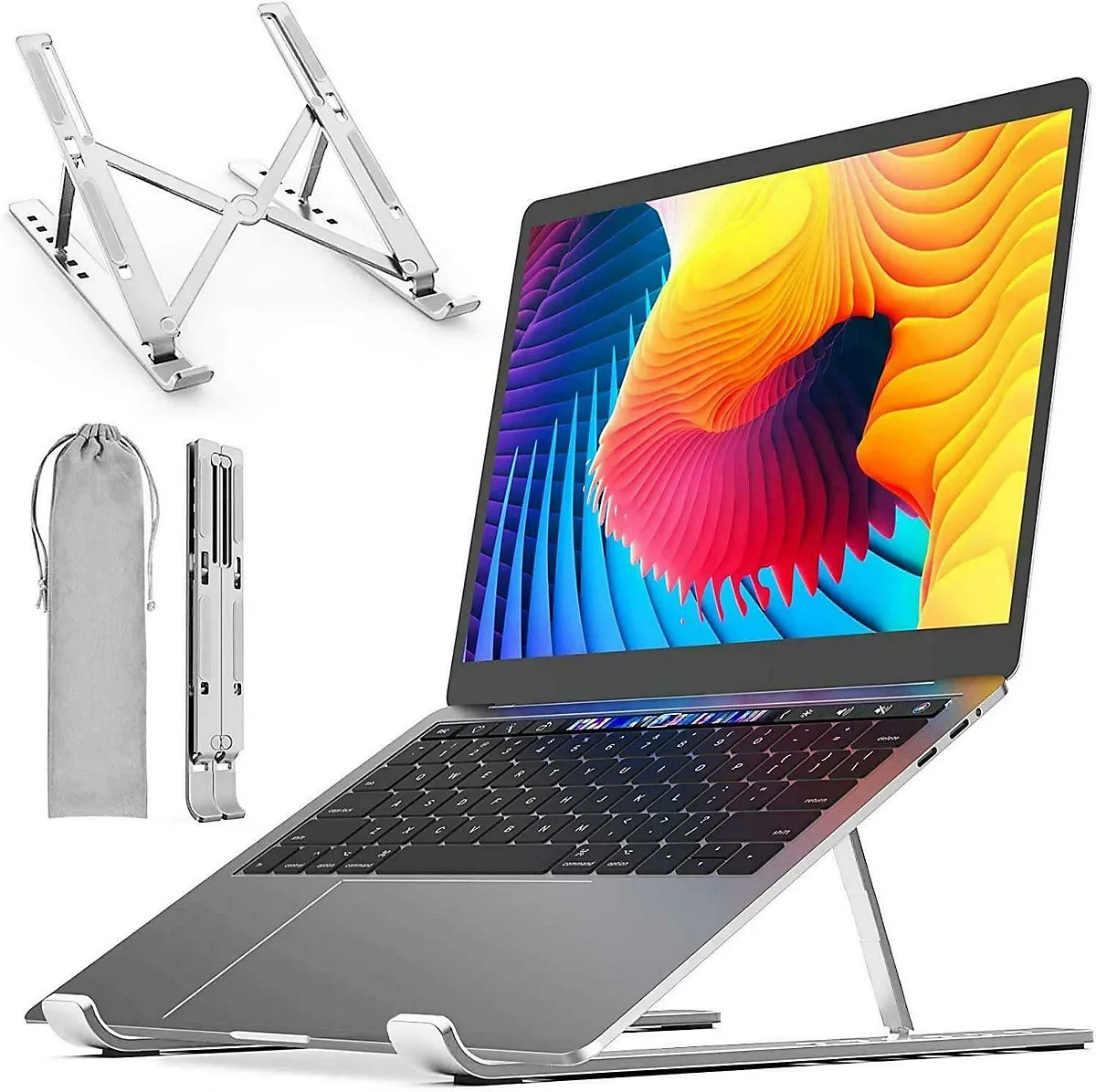
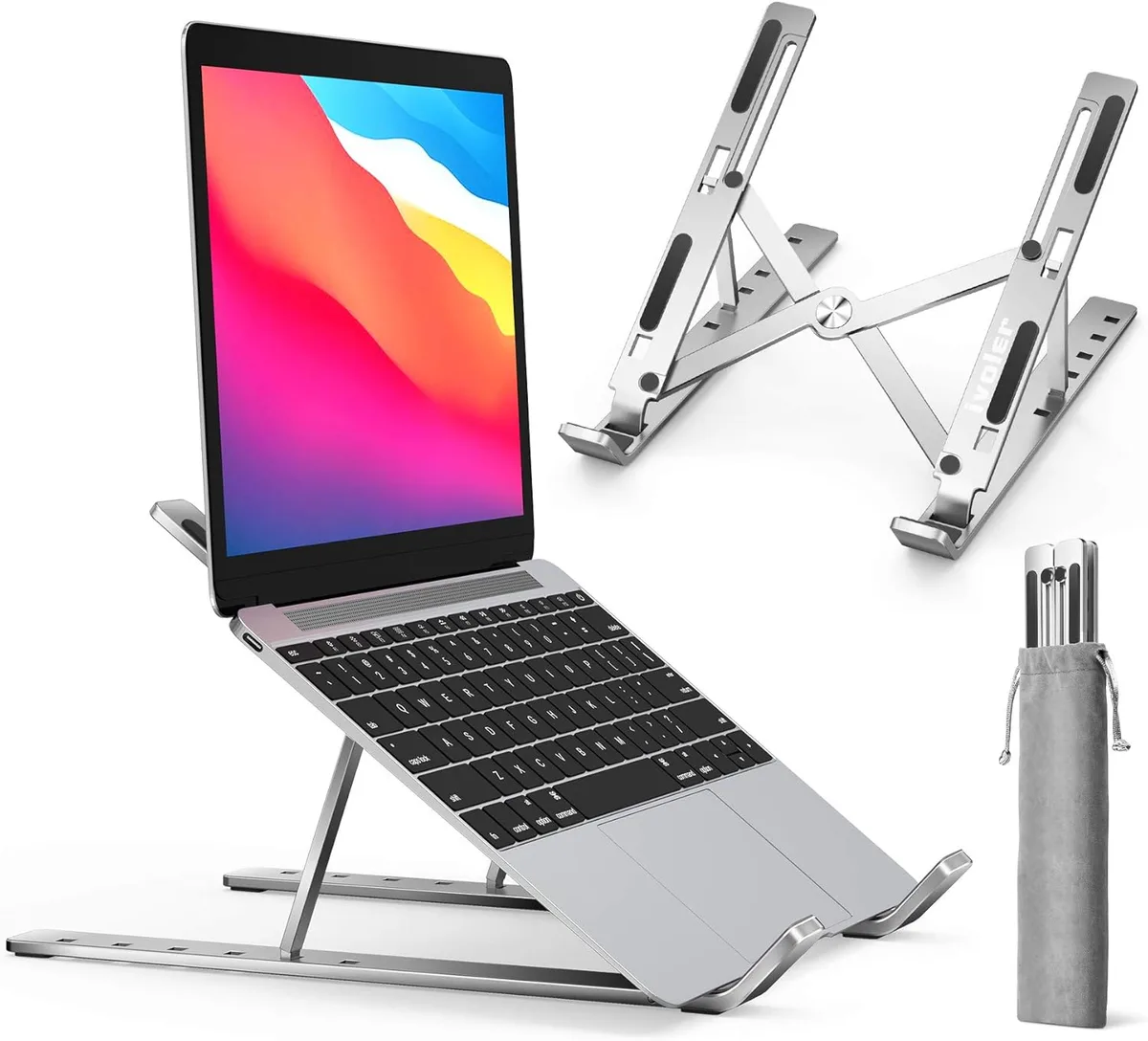
The most effective way to restore airflow is to elevate the rear of the laptop. You only need to create a 1/2-inch to 1-inch gap to significantly improve thermal dissipation. This creates a chimney effect that pulls cool air across the internal components.
- Identify a non-obstructive area on the bottom of your laptop chassis near the back edge.
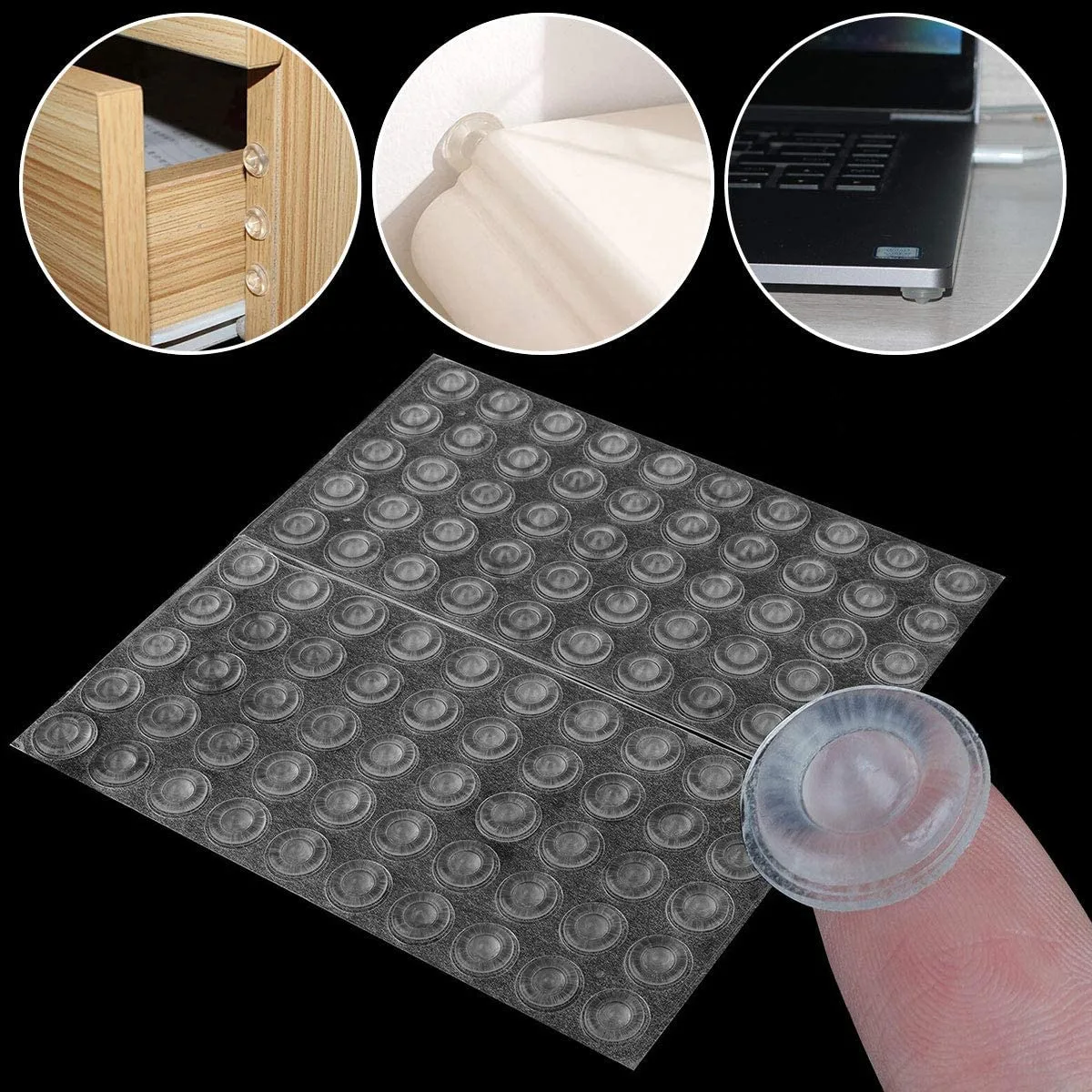
- Use adhesive rubber feet or small, heat-resistant bumpers to prop up the rear.
- Ensure your placement does not cover existing intake grates or port openings.
- Check that the device remains stable and does not wobble while typing.
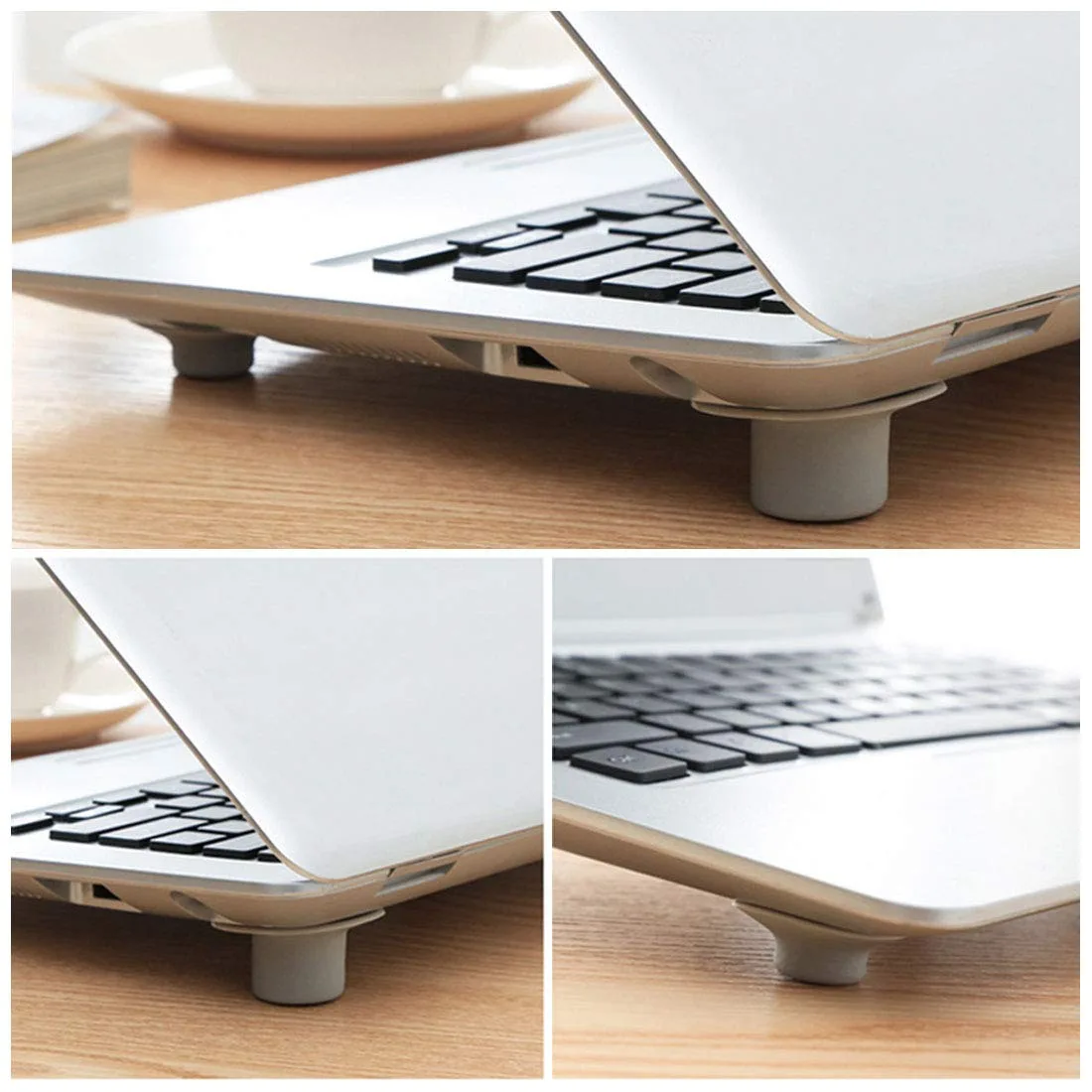
Image source: Bing (Web (fair-use with source credit))
If you do not have adhesive feet, use two sturdy, flat objects like thick coasters or heavy-duty erasers. Position them under the corners where the chassis is strongest. Avoid using soft materials like pillows, as they compress and block air even worse than a solid wooden desk.
Adding a Thermal Buffer: Choosing the Right Materials
A thermal buffer sits between your laptop and the wood to prevent direct heat transfer. Felt, cork, or silicone are excellent choices because they offer low thermal conductivity while remaining stable. A thin wool felt mat is particularly effective at spreading the heat out over a larger surface area.
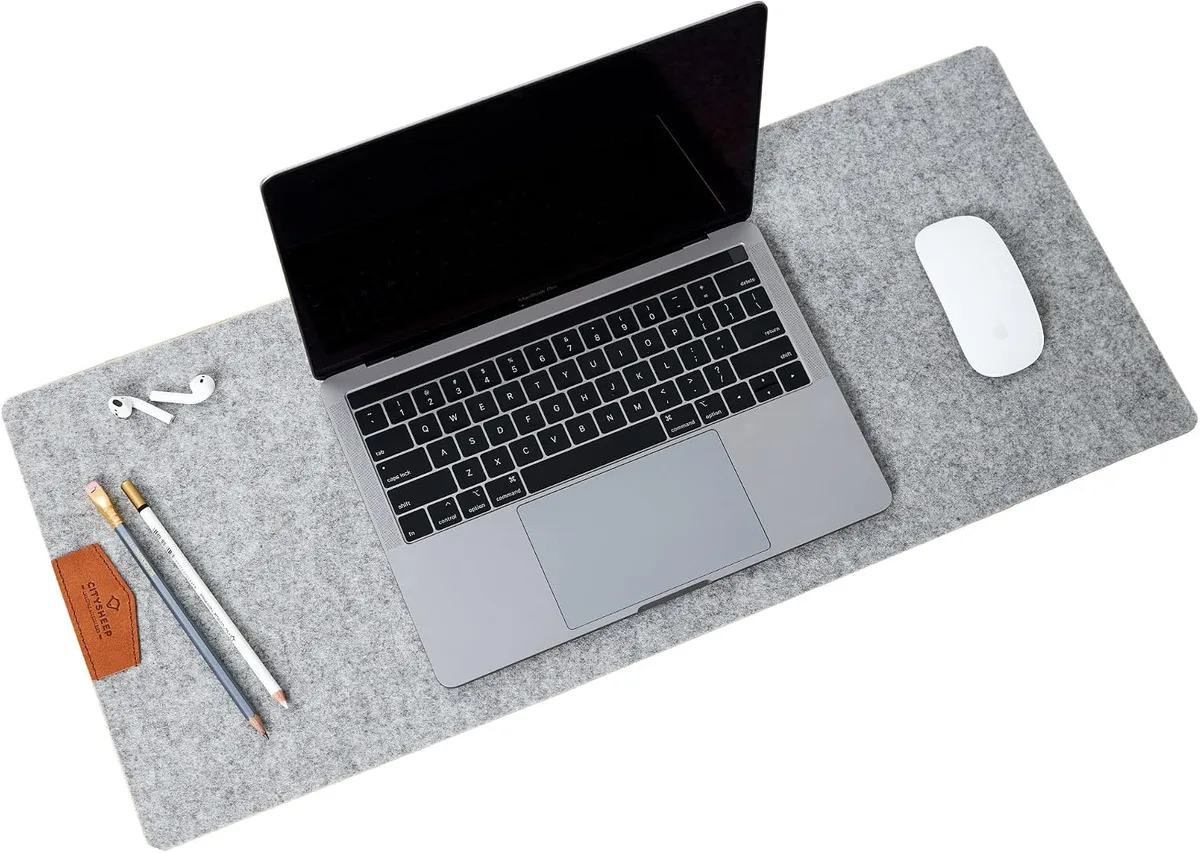
Image source: Bing (Web (fair-use with source credit))
Choose a material that is at least 1/8-inch thick to provide a sufficient barrier. Avoid plastic or synthetic films, as these materials can trap even more heat against the chassis. Cork is an excellent natural option because it is naturally fire-resistant and holds its shape well under the weight of a heavy laptop.
| Material | Conductivity | Best Use |
|---|---|---|
| Cork | Low | Best for heat resistance |
| Wool Felt | Medium | Best for surface protection |
| Silicone | Low | Best for grip and stability |
| Wood | High | Avoid direct contact |
When to Replace Your Wooden Desk
Sometimes a wooden desk is simply the wrong tool for the job. If you regularly use a high-performance gaming laptop or a workstation-grade machine, the density of wood may always work against your thermal management needs. These devices generate sustained heat loads that require active heat dissipation through perforated or open-frame surfaces.
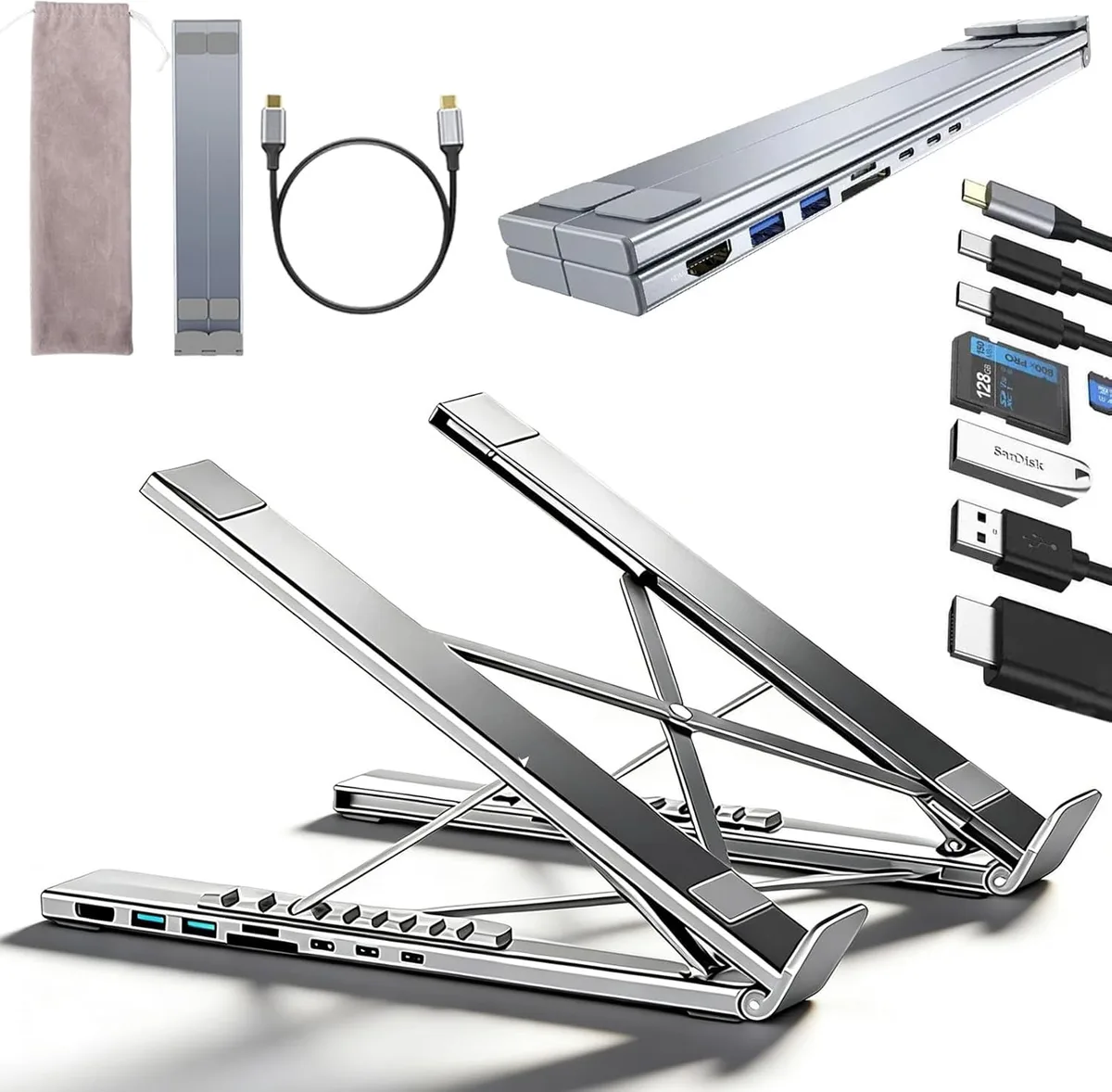
You should consider an upgrade if your laptop fan runs at maximum speed even when performing light tasks. If the wooden surface remains hot to the touch long after you shut down your device, the wood has become heat-saturated. Replacing this with an open-mesh desk or a dedicated metal-frame stand allows air to flow freely underneath the chassis.
Common Mistakes That Choke Your Laptop
The most frequent error is placing the laptop desk directly on a soft mattress. Soft bedding acts as an insulator and effectively blocks any airflow that might have escaped from the sides of the desk. Always use a rigid surface, such as a breakfast tray or a flat board, underneath your lap desk to ensure structural stability and airflow.
Another common mistake is covering secondary vent ports with cooling accessories. Some users add too many bumpers or cushions, unintentionally obstructing air exhaust zones. Always verify your manufacturer's airflow diagrams before attaching any modifications to the bottom of your laptop.
Pro Advice for High-Performance Workloads
If you frequently engage in video rendering, gaming, or large-scale data processing, you need more than just a passive solution. These tasks push CPUs to their thermal limits, and passive barriers can only do so much. Combining a raised desk design with an external USB cooling fan often provides the necessary overhead to maintain peak performance.
Ensure that your external fan pulls air into the same direction as your laptop's internal fans. If the airflows conflict, you can actually create turbulent air pockets that increase heat. Most high-performance setups work best when the external airflow is slightly cooler and faster than the air the laptop's internal fans can move on their own.
Safety First: Preventing Thermal Skin Irritation
Prolonged contact with a hot laptop or a heat-saturated wooden desk can lead to a condition known as erythema ab igne. This is a skin condition caused by chronic exposure to moderate heat. While usually harmless, it results in mottled skin patterns and discomfort.
Always maintain a physical barrier between your skin and any device emitting heat. If your lap desk is warm, add a thick towel or a secondary felt layer between the desk and your thighs. Never ignore the sensation of burning on your legs, as your skin is a reliable indicator that your thermal management system has failed.
Long-Term Maintenance: Cleaning Your Laptop Vents
Your laptop's internal cooling system requires regular maintenance to function as intended. Over time, fans pull in household dust and lint, which clog the heat sink fins. Even with the best desk setup, a clogged fan will force your laptop to run hotter and stay louder.
Use a can of compressed air to clean the vents at least once every three months. Always power down the device and unplug it before attempting any cleaning. Spray in short, controlled bursts to prevent the fan from spinning too fast, which can damage the motor bearings.
Decision Guide: When to Modify vs. When to Upgrade
You have a clear path forward based on how your current hardware behaves. Use this decision guide to determine whether a simple tweak or a full replacement is the right move for your specific scenario.
- Modify your setup if: The overheating is minor, your hardware is a standard ultra-portable, and you prefer the aesthetic of your current wooden desk.
- Upgrade your hardware if: You notice frequent thermal throttling, your laptop fan is perpetually loud, or you are running high-performance software for extended periods.
Modifications are inexpensive and quick to implement with basic household items. Upgrades represent a permanent solution that prioritizes component health and long-term machine longevity. Balancing your comfort with the technical requirements of your device ensures you get the best possible experience during your time working in bed.
Comparison of Lap Desks vs Bed Trays
A dedicated bed tray often outperforms a standard wooden lap desk because it provides an elevated platform with open sides. While a lap desk rests directly on your legs, a bed tray uses foldable legs to bridge the gap over your lap. This design ensures that nothing touches your skin, effectively eliminating thermal discomfort.
Choose a lap desk if you need portability and a compact footprint for casual use. Opt for a bed tray if you require an ergonomic workstation for longer sessions. A bed tray also offers more room for an external mouse, which reduces the need to reach across the keyboard and keeps your wrist in a neutral position.
Use Cases for Different Laptop Profiles
Different devices require different levels of thermal management based on their internal cooling hardware. Thin ultrabooks often rely on chassis conduction to dissipate heat, meaning they will get hot regardless of your desk surface. These devices benefit most from the prop up method mentioned earlier to maximize air exposure.
Gaming laptops and mobile workstations feature robust active cooling fans that require unimpeded intake. These machines are almost always better suited to a perforated desk or an open-frame stand. If your device is heavy or produces significant fan noise, prioritize a platform that maximizes airflow over one that prioritizes aesthetics or lightweight materials.
Mistakes to Avoid When Modifying Your Desk
Don't use adhesive pads that block your intake or exhaust vents. Always check your laptop's underside carefully before applying any bumpers. Blocking a vent, even partially, can cause your system to heat up faster than if you had used no modifications at all.
Avoid using bulky materials that make your setup top-heavy or unstable. A lap desk that shifts or tilts creates wrist strain and reduces your ability to work comfortably. Stick to low-profile adhesives or thin mats that maintain the original balance and security of your laptop on the desk surface.
Costs and Data on Thermal Performance
Modifying a wooden desk is significantly cheaper than purchasing a new, specialized cooling stand. Adhesive rubber feet cost just a few dollars, and a felt or cork mat is often available for under ten dollars at most craft stores. These small investments can lead to a measurable drop in operating temperatures.
Aggregate data suggests that elevating a laptop by just 20mm can drop CPU temperatures by 3 to 5 degrees Celsius during moderate workloads. While this might seem small, it is often enough to keep a laptop below the threshold where fans become audible and irritating. Investing in airflow is essentially free if you already have the basic materials at home.
Final Decision Guide for Bedside Computing
Decide based on your specific usage patterns and your device's thermal profile. If your laptop rarely gets hot, simple adhesive bumpers will likely be all you need to keep your lap comfortable. If you deal with loud fans or frequent performance drops, you may need a more structured solution like a perforated bed tray or an active cooling pad.
The best setup is one that stays stable, feels comfortable, and keeps your laptop running at its ideal operating temperature. Don't be afraid to experiment with the materials you already have. Your goal is simply to create an air gap that allows your machine to breathe, ensuring that you can work in comfort without the heat.
Frequently Asked Questions
Can I use a cooling pad on a wooden lap desk?
Yes, you can place a USB-powered cooling pad on your wooden desk. This creates active airflow that pushes cool air into the laptop vents. It also provides a hard, ventilated surface that prevents the wooden desk from getting hot.
Is it dangerous for my laptop to get this hot?
Consistent high temperatures can shorten the lifespan of internal components like the battery and drive. Most modern laptops have internal sensors to prevent permanent damage. However, excessive heat often leads to performance drops that make your work experience frustrating.
Does the thickness of the wooden desk matter?
Thicker wood takes longer to heat up but retains that heat for a longer period. Thin plywood or veneer surfaces heat up quickly, transferring warmth to your legs almost immediately. Both types benefit from a thermal barrier to keep your legs comfortable.
Why does my laptop get hotter in bed than on a table?
Beds are soft and insulate your laptop from all sides. A wooden lap desk provides a flat surface, but it still lacks the cross-ventilation found on a traditional office desk. Using a laptop in bed requires proactive cooling steps to compensate for the lack of airflow.

Similar Posts