How to Choose the Best Memory Foam Lap Desk for Road Trips
Senior Hardware Diagnostics Specialist & Lead Thermal Editor at Laptop Post Testing Lab · CompTIA A+, ACMT, B.S. in Computer Engineering · 12+ years bench-testing laptop thermal solutions & motherboard repairs
Finding the right way to choose a lap desk with memory foam cushion for car road trips involves balancing stability with the limited space of a vehicle interior. You’ll find that a desk optimized for your car keeps your device secure while minimizing the physical strain of long-distance travel.
Most road trip accessories need to withstand vibration and sudden stops. As of 2026, industry standards for mobile workstations emphasize structural rigidity and non-slip surfaces to manage device weight safely. We’ll look at the critical factors that ensure your desk stays put while you remain comfortable in the passenger seat.
Quick Answer
Choose a lap desk with firm memory foam for stable support. Verify the desk width fits between your car door and center console. Select a model with a non-slip, rigid workspace surface.
Ensure the edge has a raised lip to prevent device slippage. Prioritize lightweight materials to make stowage easy during stops.
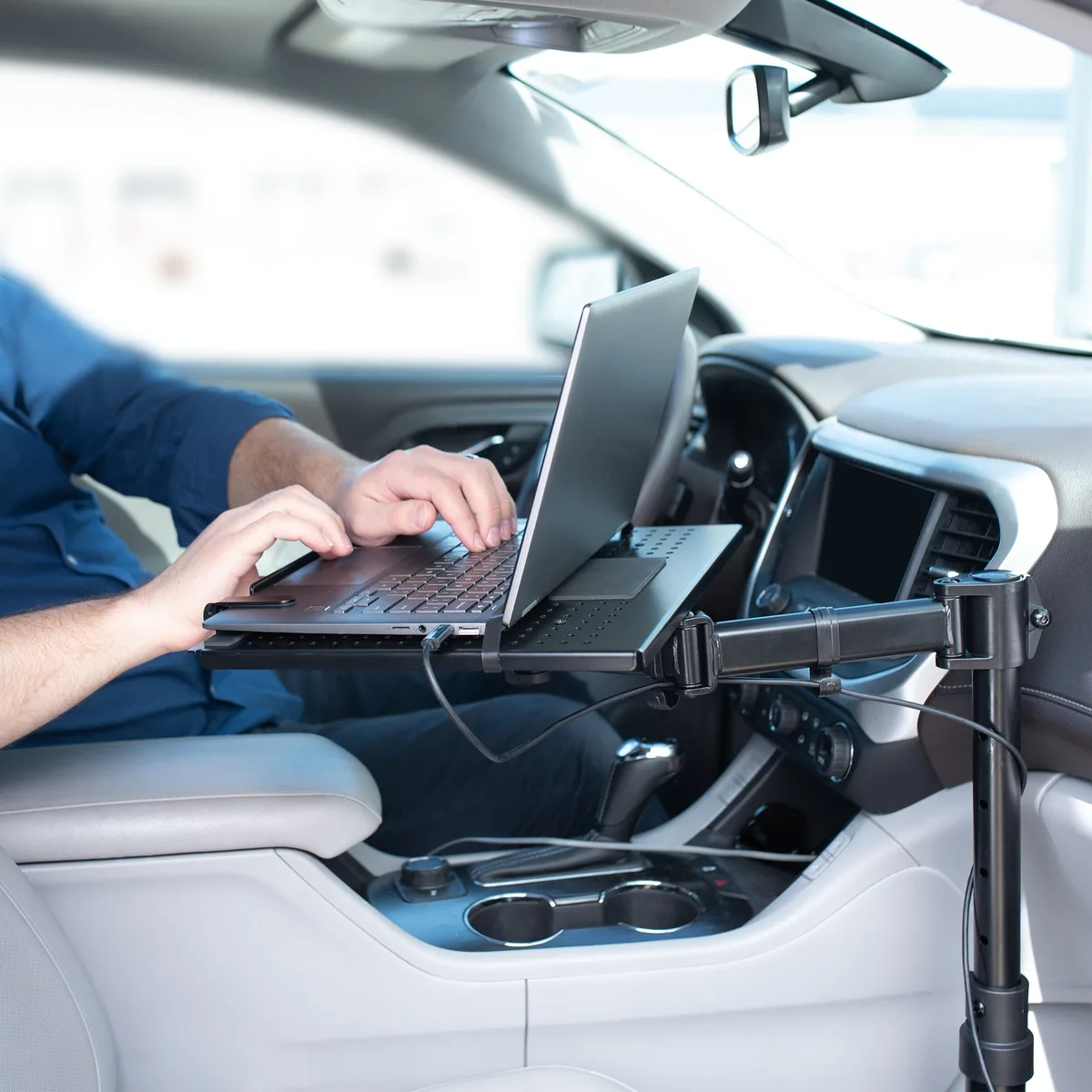
Image source: Bing (Web (fair-use with source credit))
The Reality of Working from the Passenger Seat
Working or relaxing in a moving vehicle presents challenges that a standard desk at home doesn't face. You are dealing with changing terrain, vehicle vibration, and a restricted seating area. A desk that works perfectly on a flat office chair often fails when placed on the slanted, bucketed surface of a modern car seat.
Your primary goal is to create a level, stable surface on top of a seat designed for safety rather than ergonomics. If your desk is too large, it will collide with the door panel or the center console. We suggest measuring your available knee-to-armrest space before purchasing any equipment to ensure a proper fit.
Key Criteria for a Car-Ready Lap Desk
A car-ready desk must bridge the gap between your legs and the device. We look for high-density memory foam that provides a stable foundation without compressing entirely under the weight of a laptop. This prevents the desk from tipping when you apply pressure to a keyboard or touchscreen.
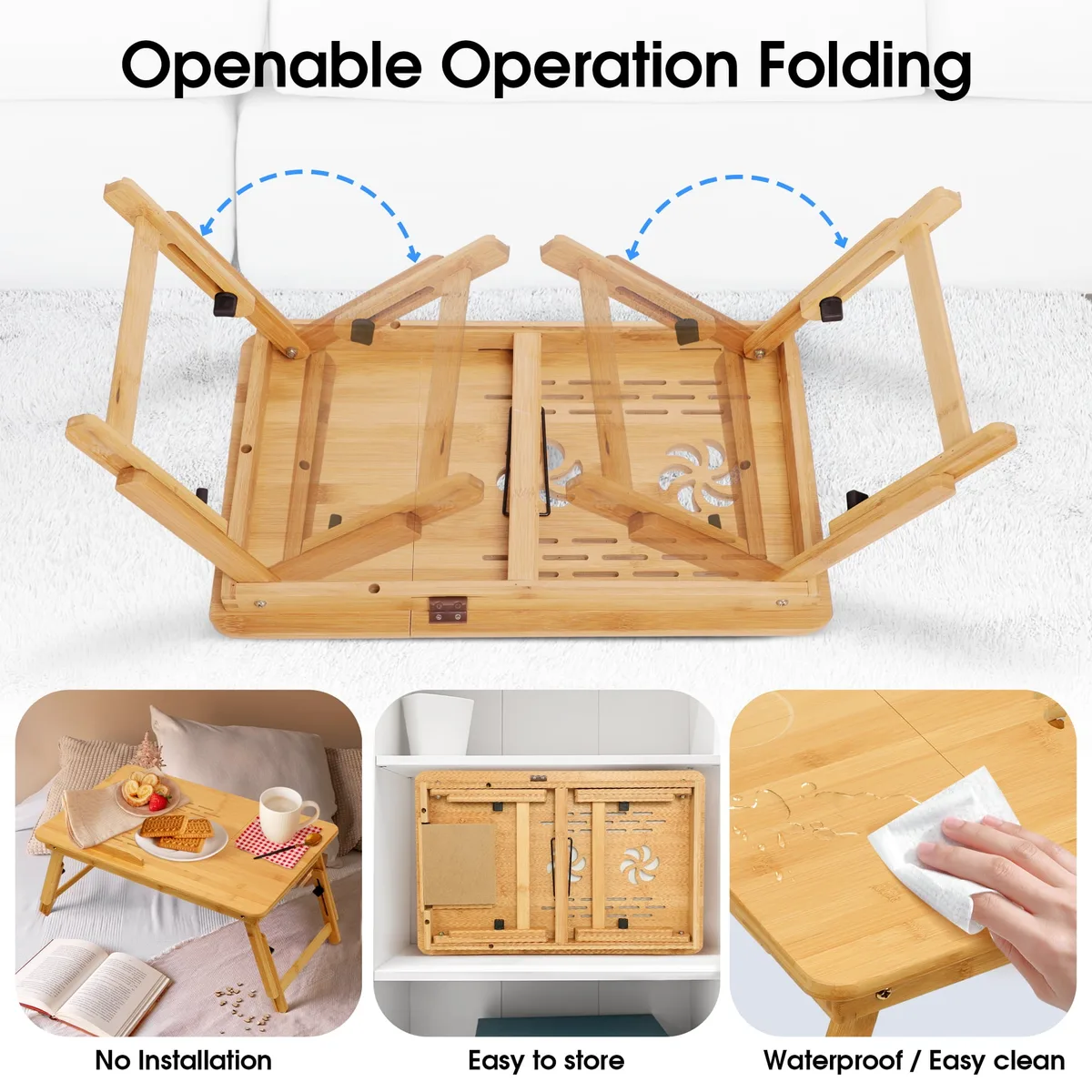
Manufacturer specifications often highlight the importance of the base material for heat dissipation. Laptops sitting on soft, non-ventilated foam can reach temperatures that lead to thermal throttling. A desk featuring airflow channels or a perforated base helps maintain optimal hardware performance during long road trips.
Comparing Memory Foam vs. Traditional Lap Desk Materials
Memory foam cushions are favored for their ability to conform to your thighs, but they are not the only option. We've gathered data comparing foam against rigid or bean-filled alternatives to help you decide.
| Material | Stability | Comfort | Best Used For |
|---|---|---|---|
| Memory Foam | High | High | Long trips, typing |
| Micro-bead | Medium | Medium | Casual viewing |
| Rigid Plastic | Low | Low | Hard, flat surfaces |
If you prioritize comfort, the memory foam wins because it absorbs the shocks of the road. However, ensure the foam is firm enough to keep the desk level. If the base feels like a pillow, the desk will wobble, making it difficult to use a laptop reliably.
Why Seat Geometry Determines Your Success
Most car seats feature a rearward tilt to keep passengers secure. Placing a flat lap desk on this slope creates a surface that forces your laptop to lean awkwardly toward your stomach. You need a wedge-shaped cushion to counteract this natural car seat angle.
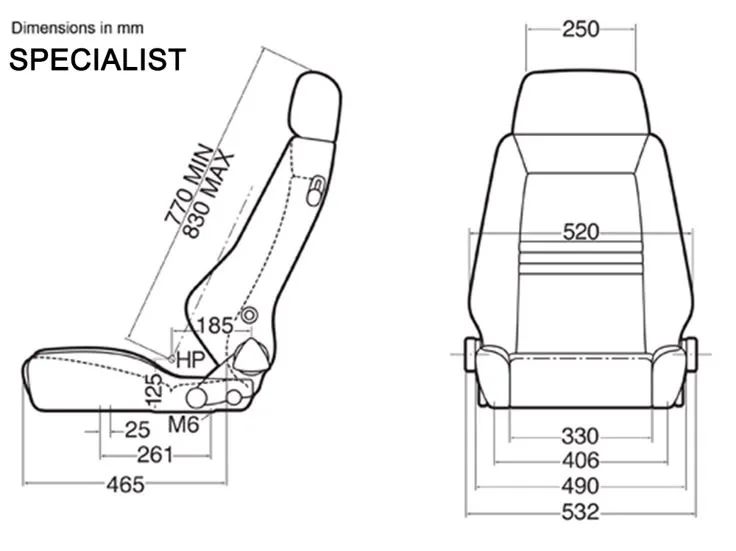
Image source: Bing (Web (fair-use with source credit))
When the cushion is thicker at the back and thinner at the front, it levels out the desk surface. This simple geometry adjustment is the difference between a comfortable workspace and one that causes wrist strain. Research into ergonomic workstation standards confirms that keeping your wrists in a neutral, flat position is essential for preventing repetitive strain during extended use.
Essential Features for Road Trip Stability
Your lap desk needs features that specifically address the motion of a vehicle. A device retention lip is not just a convenience; it is a necessity for preventing your laptop from sliding off the desk during routine braking. A sturdy, plastic or wood-trimmed edge acts as a barrier that keeps your gear centered and safe.
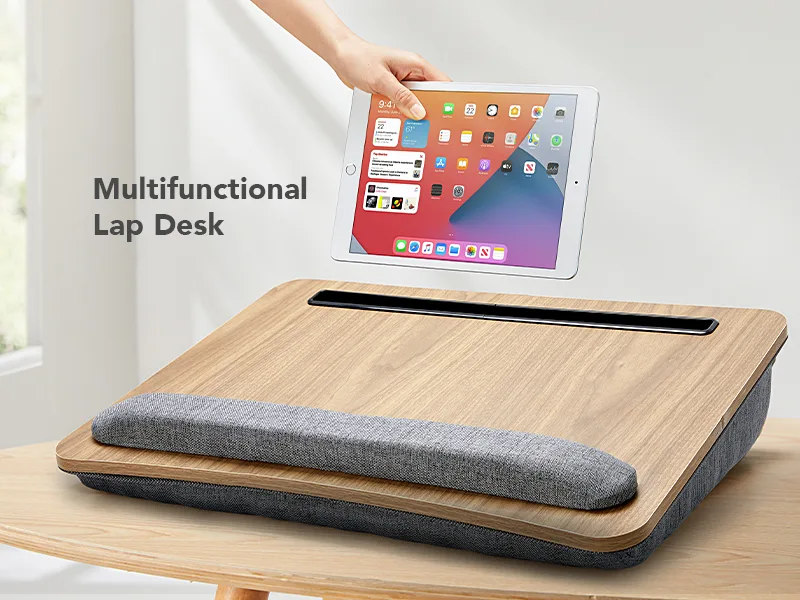
Image source: Bing (Web (fair-use with source credit))
Look for a workspace finish that uses textured rubber or high-friction plastic. This adds a second layer of security, gripping the bottom of your laptop to keep it firmly in place. These small design choices work together to create a reliable platform that feels as solid as a stationary table.
Assessing Your Workspace: Measuring for the Perfect Fit
You should measure the distance between your car door and the center console while sitting in your normal travel position. This gap defines the maximum width of your lap desk. If you purchase a unit wider than this space, it will hit the interior panels and sit crooked on your lap.
Check the height clearance under your dashboard if you are sitting in the front passenger seat. Some desks are too thick, leaving no room for your legs to move under the surface. A desk that is too bulky will also interfere with the seatbelt retractors or the vehicle's armrest position.
Avoiding the "Bottoming Out" and Overheating Traps
You avoid the "bottoming out" trap by choosing high-density foam that resists compression under pressure. Low-quality foam often flattens completely within a few minutes of use. This leaves you feeling the hard, thin bottom of the tray against your legs rather than a soft cushion.
Overheating occurs when a laptop cannot pull cool air into its intake vents. Avoid desks with completely solid, non-vented surfaces. Look for models featuring cutouts or slots in the deck material.
These simple vents allow heat to dissipate away from the chassis, protecting your laptop from performance throttling.
Safety First: Securing Your Gear in a Moving Vehicle
You must treat your lap desk as a potential projectile in the event of an emergency stop. Always store the desk in the footwell or under a seat when the vehicle is in motion if you are not actively using it. Keeping it on your lap during highway travel increases the risk of the device impacting the windshield or dashboard during sudden deceleration.
Consult your vehicle owner’s manual for specific information on cabin safety systems, such as side-curtain airbags. You should never place a desk in a position that could interfere with airbag deployment. If you must use a device while the vehicle is moving, prioritize models that feature a lightweight design and rounded, non-abrasive edges.
Best Options Based on Your Passenger Needs
You choose a model based on whether you are primarily typing or watching media. If your primary use is a laptop, look for a wide, flat surface that accommodates both your device and a mouse pad area. A width of at least 17 inches is generally the sweet spot for these users.
If you are a tablet or phone user, look for models with an integrated device slot. This slot holds your screen at an upright angle, reducing neck strain from constant downward gazing. These models are often more compact, making them easier to stow in a small carry-on or the seat-back pocket.
Quick Checklist for Selecting the Right Model
Follow this list to ensure you make the right choice for your specific vehicle and device.
- Width: Measure your seat-to-door space and compare it against the desk width.
- Cushion Density: Press on the foam to ensure it doesn't bottom out easily.
- Ventilation: Confirm the workspace has air slots to prevent laptop overheating.
- Security: Ensure the retention lip is at least 1/2 inch high to hold devices.
- Portability: Check that the total weight is under 3 pounds for easy handling.
Use this checklist before finalizing a purchase to avoid returns. It covers the most common points of failure for in-car workspace accessories. Having this data ready makes the selection process straightforward and reduces the chance of ending up with a desk that doesn't fit your cabin.
Pro Tips for Ergonomic Comfort During Long Drives
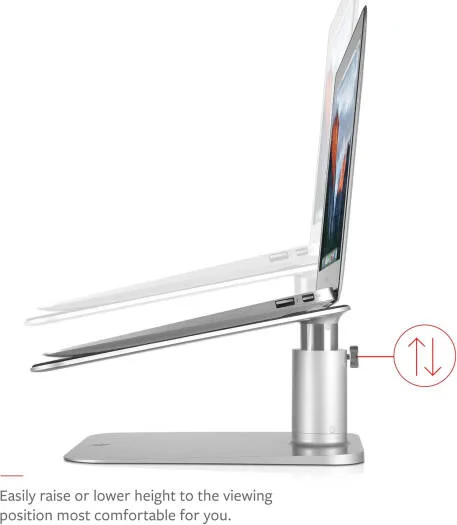
You achieve better ergonomic alignment by choosing a desk that allows your display to sit at eye level. Looking down for hours leads to neck strain and muscle tension. Utilize the device slot on your desk to prop up your screen, effectively creating a secondary, more natural viewing angle.
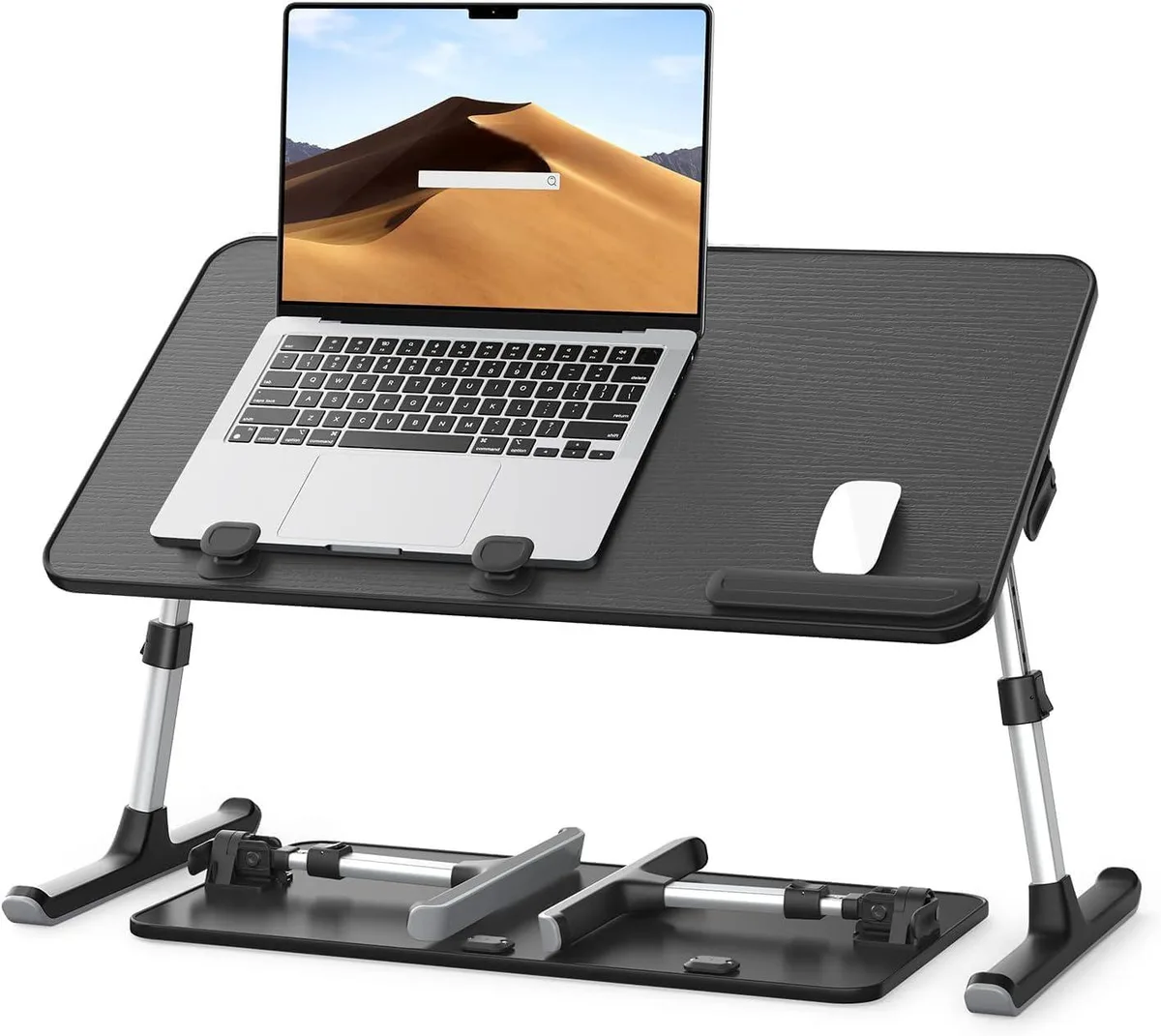
Image source: Bing (Web (fair-use with source credit))
Remember to adjust your seat periodically to avoid locking your joints in one position. Even with the best desk, prolonged static sitting is the primary cause of travel fatigue. Consider using a small lumbar cushion in addition to your lap desk to support the natural curve of your spine.
Addressing Common Road Trip Frustrations
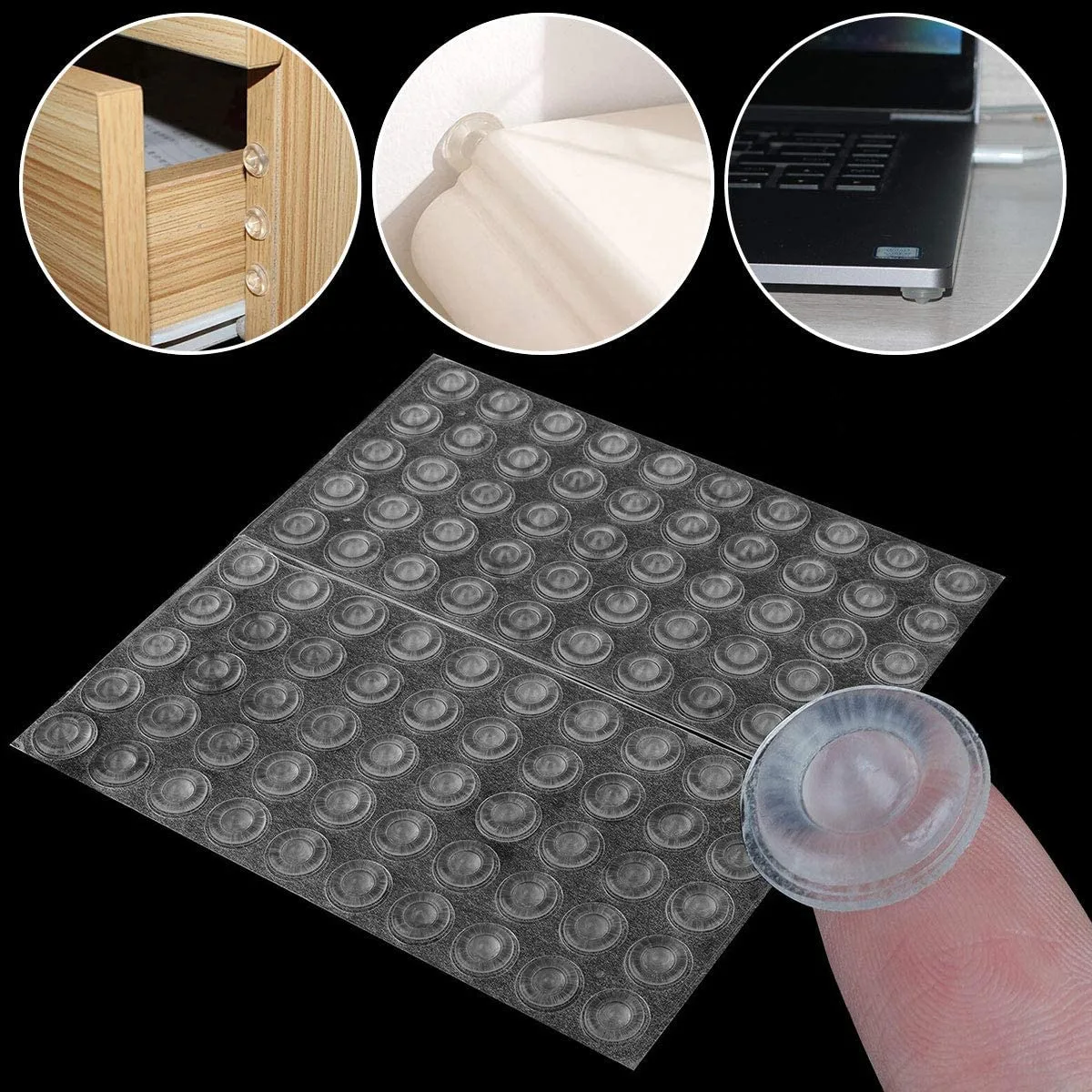
You solve shifting desk syndrome by checking the surface friction of your desk before departure. Many desks with smooth plastic tops allow laptops to slide during turns. A quick fix involves applying a thin, adhesive-backed rubber pad to the desk surface, which provides the necessary grip to hold your device in place.
Cable management often becomes a headache in the cramped space of a car. Use cable clips to secure your charging leads to the side or back of the desk frame. This prevents your cords from snagging on the center console or falling into the seat crevices when you need to stand up or adjust your posture.
Frequently Asked Questions
Will memory foam get too hot in a car?
Memory foam can retain heat, but choosing a model with a breathable mesh cover helps significantly. Look for fabrics that allow air circulation. These materials prevent the buildup of heat that usually happens during long periods of use in a warm cabin.
How do I stop the desk from sliding off my lap?
The desk should have a tapered or wedge-shaped cushion that follows the natural slope of your car seat. This design keeps the base flat against your legs rather than pivoting. If your desk is flat, consider using a non-slip pad on the bottom of the cushion to increase friction against your seat fabric.
Can I use a large laptop with a standard lap desk?
Most standard lap desks accommodate devices up to 15 or 17 inches comfortably. Check the manufacturer's weight rating to ensure the desk supports your specific hardware load. Using a laptop that exceeds the suggested surface area often results in an unstable workspace that is prone to tipping.
Does the desk need to be cleaned often?
Dust and crumbs tend to accumulate in the device slot and on the workspace surface over time. Wipe the hard surface with a damp cloth every few trips to remove grime. For the fabric cover, check the tag for washing instructions to ensure you don't damage the foam core during cleaning.
Are lap desks safe to use in a moving vehicle?
Lap desks are not crash-tested safety devices and should be stored securely when not in use. Avoid using them during periods of high-intensity traffic or winding mountain roads. Always prioritize your safety by stowing the equipment in the floorboard or a storage compartment whenever you are not actively using it.
Final Verdict: Finding Your Ideal Travel Companion
You ultimately select your desk based on the balance between physical stability and your specific device needs. A high-density, wedge-shaped base is your best bet for keeping a laptop level on a bucketed car seat. If you prioritize tablet use, look for a compact model with a secure integrated slot for hands-free viewing.
Don't sacrifice long-term comfort for a bargain price. A desk that causes you to hunch over will make the hours feel like days. Invest in a model with quality, breathable materials that can withstand the rigors of the road.
With the right choice, you turn the passenger seat into a functional, comfortable workstation that makes your time in transit productive and stress-free.

Similar Posts