140mm vs 200mm Laptop Cooling Pad Fans: Which Size Is Best?
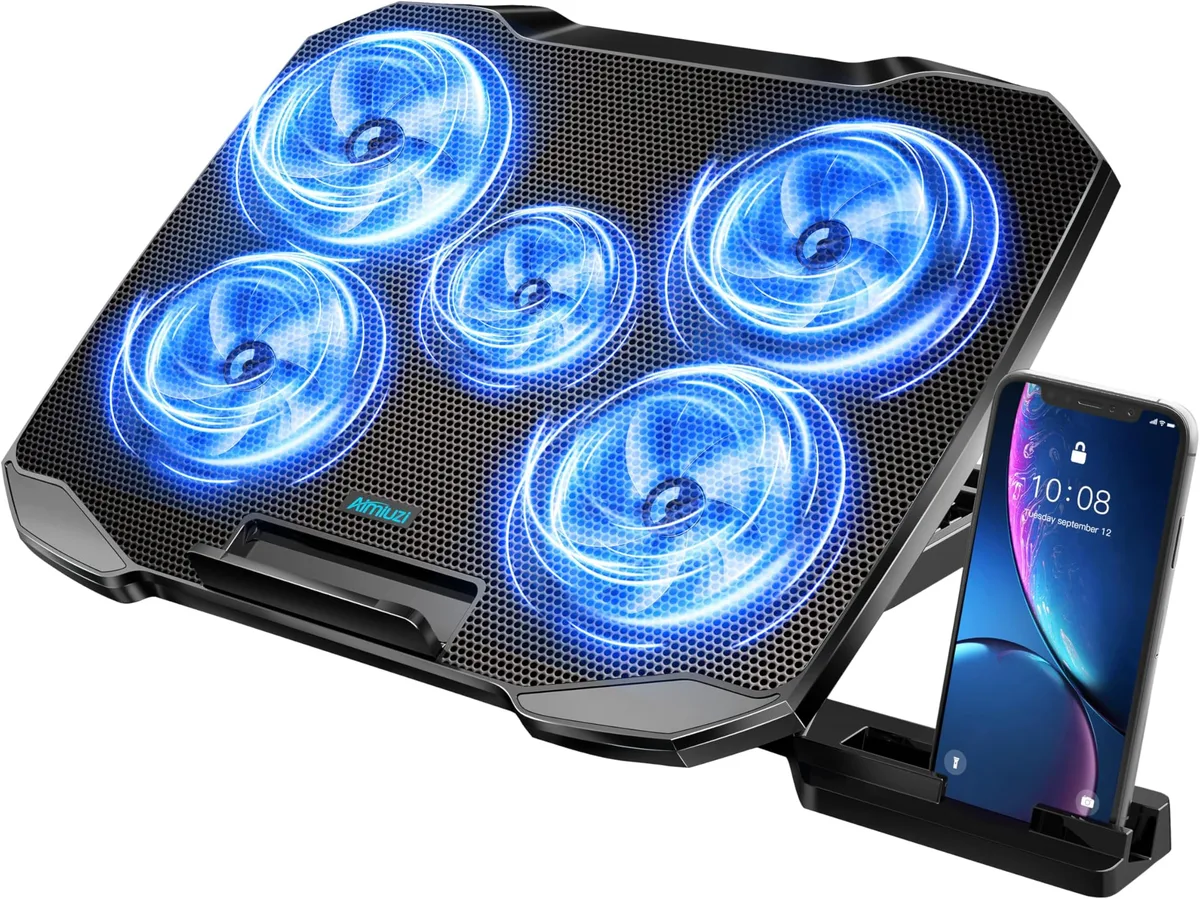
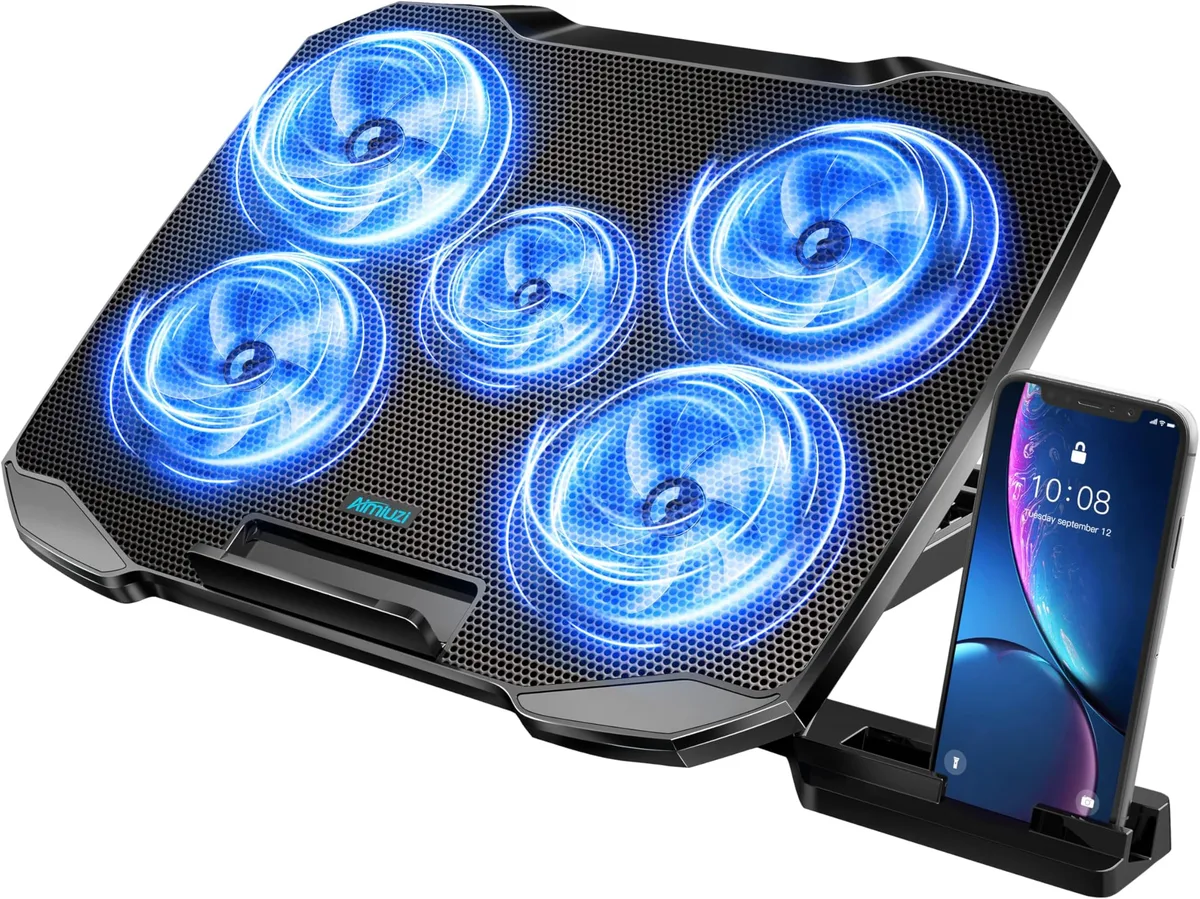
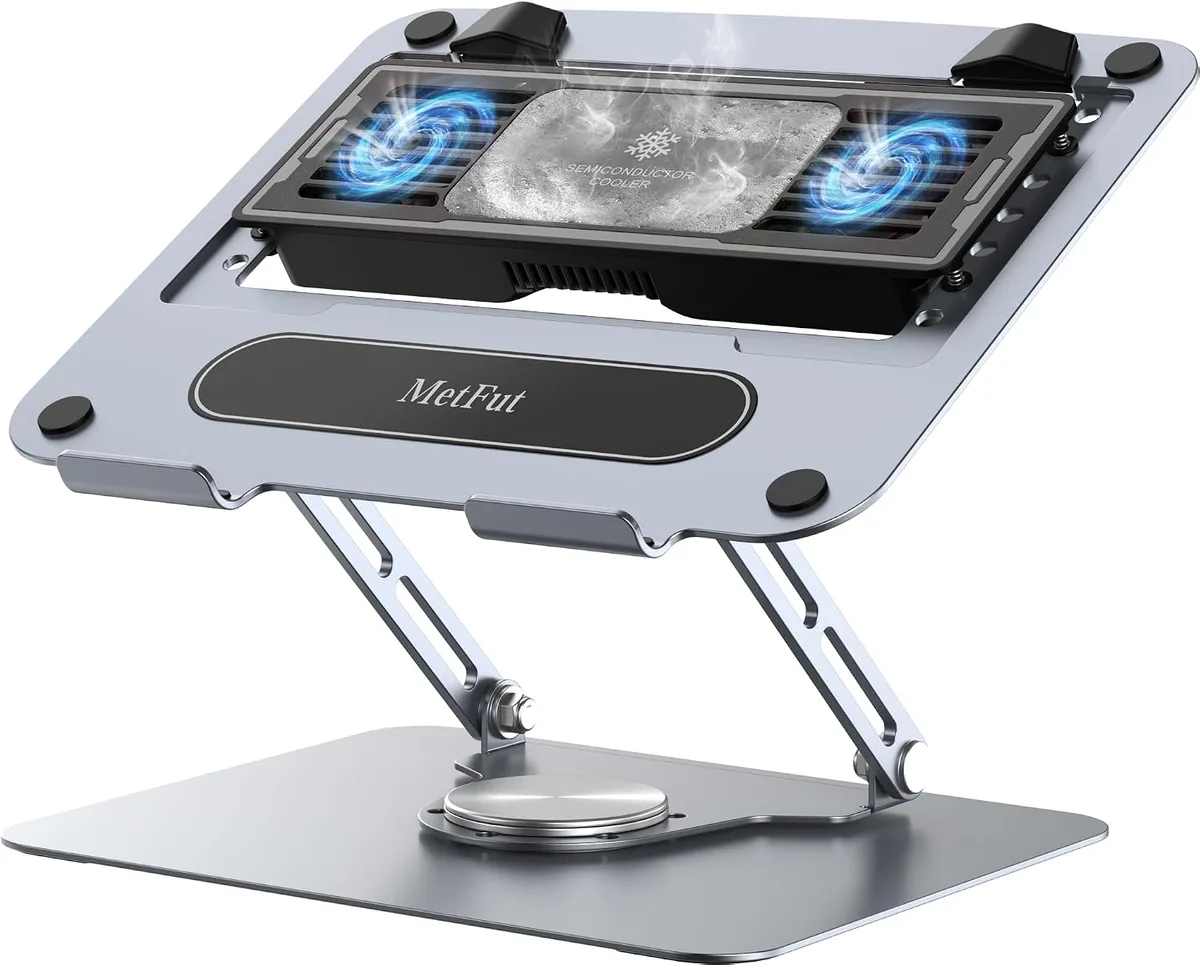
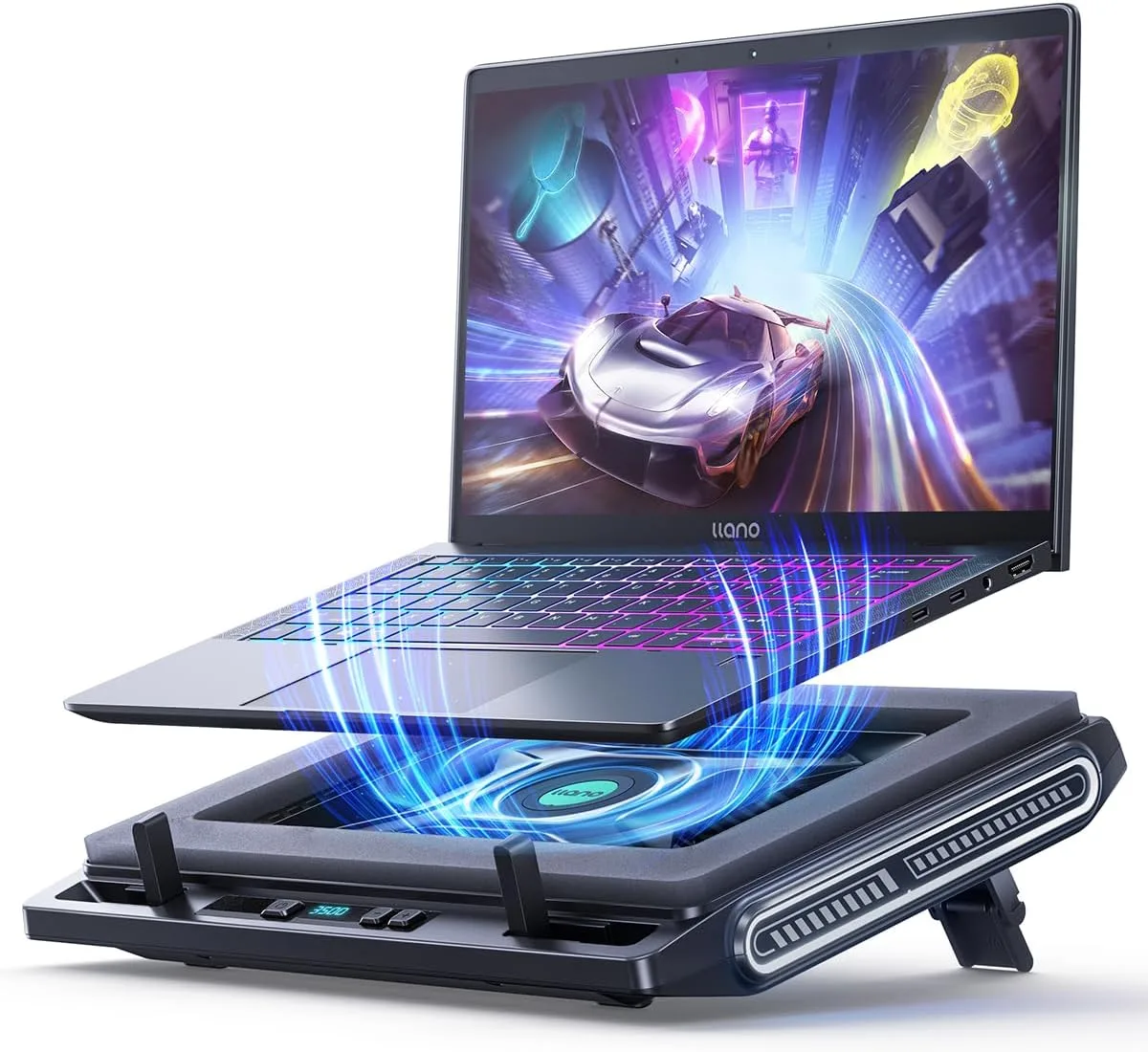
If you’ve ever felt your laptop scorch your legs during a long gaming session or watched it stutter mid-video edit, you’ve probably asked yourself what is the best fan size for laptop cooling pad 140mm vs 200mm. The short answer isn’t “bigger is always better” or “smaller is more portable” without context. Your laptop’s size, use case, and heat output make all the difference here.
Most modern consumer laptops have a thermal design power (TDP) between 45W and 150W, per Intel and AMD’s public hardware documentation. A cooling pad’s fan size directly impacts how much airflow it can push to offset that heat without draining your battery or making too much noise. We’ll break down exactly how 140mm and 200mm fans stack up so you can pick the right match for your setup.
Let’s start with the quick answer you need right now.
Quick Answer
The best fan size for a laptop cooling pad between 140mm and 200mm depends entirely on your laptop’s size and heat output. 140mm fans work best for 13, 14 inch ultrabooks with TDP under 45W. 200mm fans are better for 15, 17 inch gaming or creator laptops with TDP over 45W. Mismatched fan sizes cause poor cooling, excess noise, or unstable placement. Match fan size to your laptop’s footprint and thermal needs for best results.
Why 140mm vs 200mm Cooling Pad Fan Size Matters (And What Goes Wrong If You Choose the Wrong One)
Choosing the wrong fan size for your cooling pad isn’t just a minor inconvenience. It can lead to consistent thermal throttling, shortened laptop component lifespan, or even USB port damage from excessive power draw.
Image source: Bing (Web (fair-use with source credit))
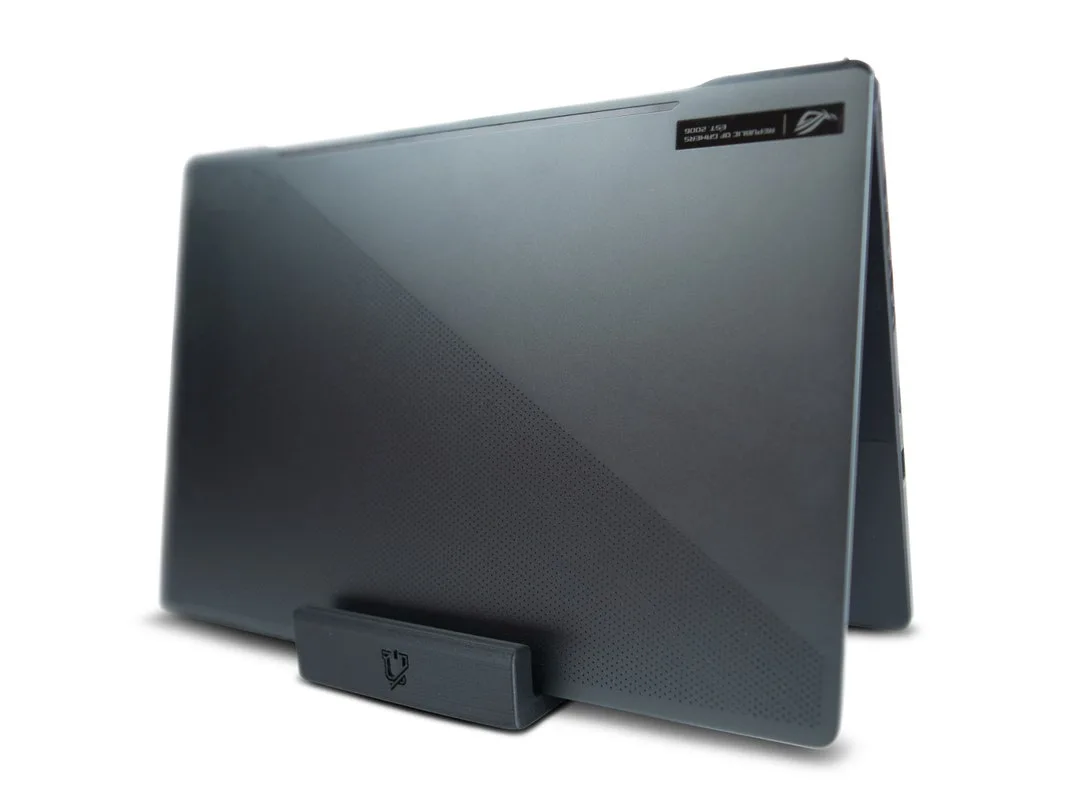
As of 2026, most consumer laptop cooling pads on the market use either 140mm or 200mm fans as their default size, with few models offering mixed arrays for mid-size laptops. A 200mm fan pad on a 13-inch ultrabook will overhang the chassis, making it unstable on your desk. A 140mm pad on a 17-inch gaming laptop won’t cover enough of the base to pull heat away from high-TDP components.
These mismatches waste money and don’t solve your overheating problem.
How Laptop Cooling Pad Fan Size Directly Impacts Airflow, Noise, and Heat Dissipation
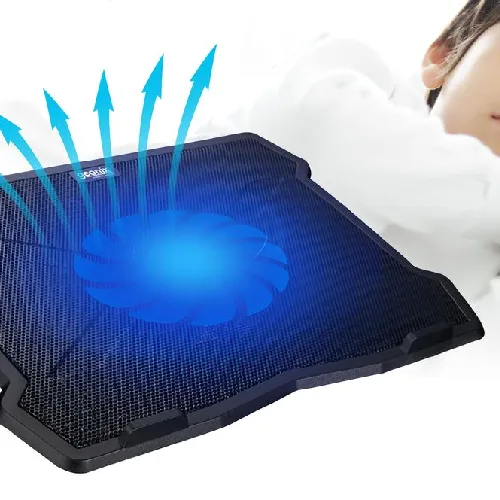
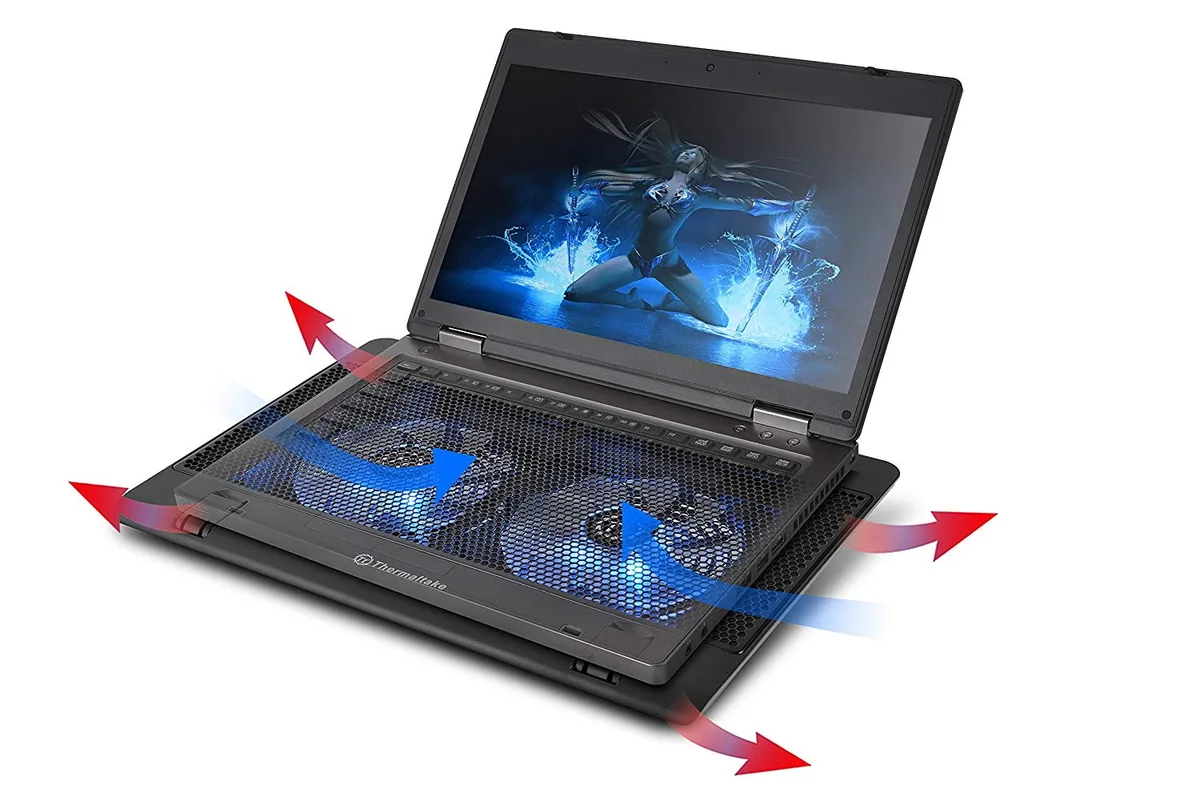
Fan size is the single biggest factor in a cooling pad’s real-world performance, ahead of brand or LED features. Airflow is measured in cubic feet per minute (CFM), a standard metric verified by ASHRAE for fan performance testing. Larger 200mm fans move more air per rotation than smaller 140mm fans.
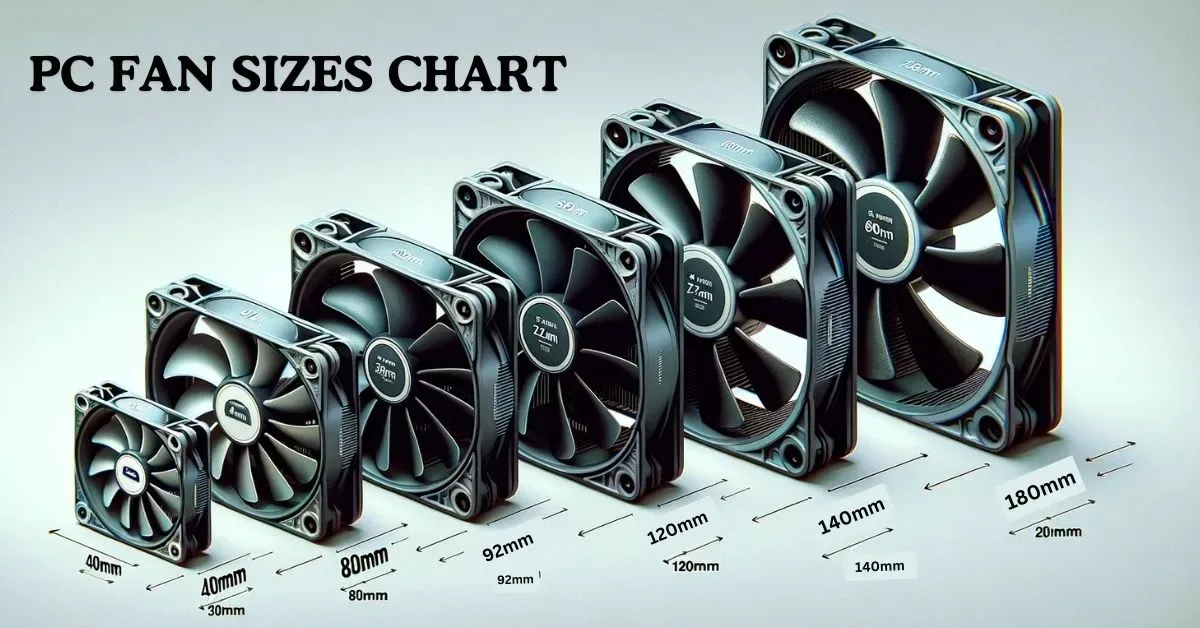
Image source: Web (Bing) / fity.club (Web image (fair-use with source credit))
Aggregate user reviews and manufacturer specs confirm 140mm fans typically output 20, 40 CFM per fan, while 200mm fans output 40, 70 CFM per fan. That extra airflow matters for high-TDP laptops that dump more heat into their chassis. Noise levels also vary: 200mm fans can move the same amount of air as a 140mm fan at 1,500 RPM while running at just 800 RPM, cutting high-pitched whine in quiet spaces.
140mm Laptop Cooling Pad Fans: Specs, Standout Benefits, and Non-Negotiable Limitations
140mm fans are the standard for compact, portable cooling pads built for smaller laptops. They hit a sweet spot between airflow, noise, and size for everyday use.
Key Specs
- Typical CFM output: 20, 40 per fan
- Noise range: 15, 40 dBA at full RPM
- Power draw: 2, 5W per fan
- Common configurations: Dual or triple fan arrays
Standout Benefits
- Lightweight, often under 500g, making them easy to toss in a laptop bag
- Low power draw minimizes laptop battery drain during travel
- Fits 13, 14 inch ultrabook chassis without overhang
- Quiet operation at low RPM for shared offices or libraries
Non-Negotiable Limitations
- Can’t move enough air to cool 15+ inch gaming or creator laptops with TDP over 45W
- Dual 140mm arrays still have less total airflow than a single 200mm fan
- Cheaper models use sleeve bearings that wear out after 1, 2 years of heavy use
200mm Laptop Cooling Pad Fans: Specs, Standout Benefits, and Non-Negotiable Limitations
200mm fans are built for high-performance laptops that generate more heat than smaller fans can handle. They prioritize maximum airflow over portability for stationary use cases.
Key Specs
- Typical CFM output: 40, 70 per fan
- Noise range: 18, 38 dBA at equivalent airflow to 140mm fans
- Power draw: 3, 8W per fan
- Common configurations: Single or dual fan arrays
Standout Benefits
- Higher total CFM output prevents thermal throttling on 15, 17 inch gaming/creator laptops with TDP over 45W
- Runs at lower RPM than smaller fans for the same airflow, reducing high-pitched whine
- Full coverage for larger laptop footprints, pulling heat from the entire base
- Even airflow distribution prevents hot spots under CPU/GPU clusters
Non-Negotiable Limitations
- Bulky design, often 400, 900g, making them impractical for daily travel
- Overhang smaller 13, 14 inch laptop chassis, causing instability
- Higher power draw can drain laptop battery faster if not plugged in
- Higher-quality models cost more than equivalent 140mm pad setups
140mm vs 200mm Cooling Pad Fans: Side-by-Side Spec, Performance, and Value Comparison
The table below breaks down the core specs you need to compare. 140mm fans trade raw airflow for portability and lower power draw. 200mm fans deliver higher total CFM for high-heat laptops, but they’re heavier and bulkier. Dual 140mm arrays often cost the same as single 200mm models, but deliver 20, 30% less total airflow. That makes 200mm pads a better value for high-performance laptops, while 140mm pads win on portability and price for smaller, low-heat devices.
| Spec | 140mm Fan Cooling Pad | 200mm Fan Cooling Pad |
|---|---|---|
| Typical CFM per fan | 20–40 | 40–70 |
| Noise range at equivalent airflow | 15–40 dBA | 18–38 dBA |
| Power draw per fan | 2–5W | 3–8W |
| Weight range | 200–500g | 400–900g |
| Ideal laptop size | 13–14 inch | 15–17 inch |
| Ideal TDP range | Under 45W | Over 45W |
| Typical price range (as of 2026) | $15–$35 | $25–$50 |
Best Use Cases for 140mm vs 200mm Cooling Pad Fans (And Who Should Skip Each Option)
Your laptop’s size, TDP, and daily use case determine which fan size is right for you. 140mm fans are the go-to for compact, portable setups. They fit 13, 14 inch ultrabooks without overhang, and their low power draw won’t drain your battery while traveling. If you primarily browse, stream, or do light office work on a low-TDP laptop, 140mm fans are more than enough.
Remote workers who move between coffee shops and home offices, students in shared dorm rooms, and anyone who prioritizes a slim packable pad will get the most value from 140mm fans.
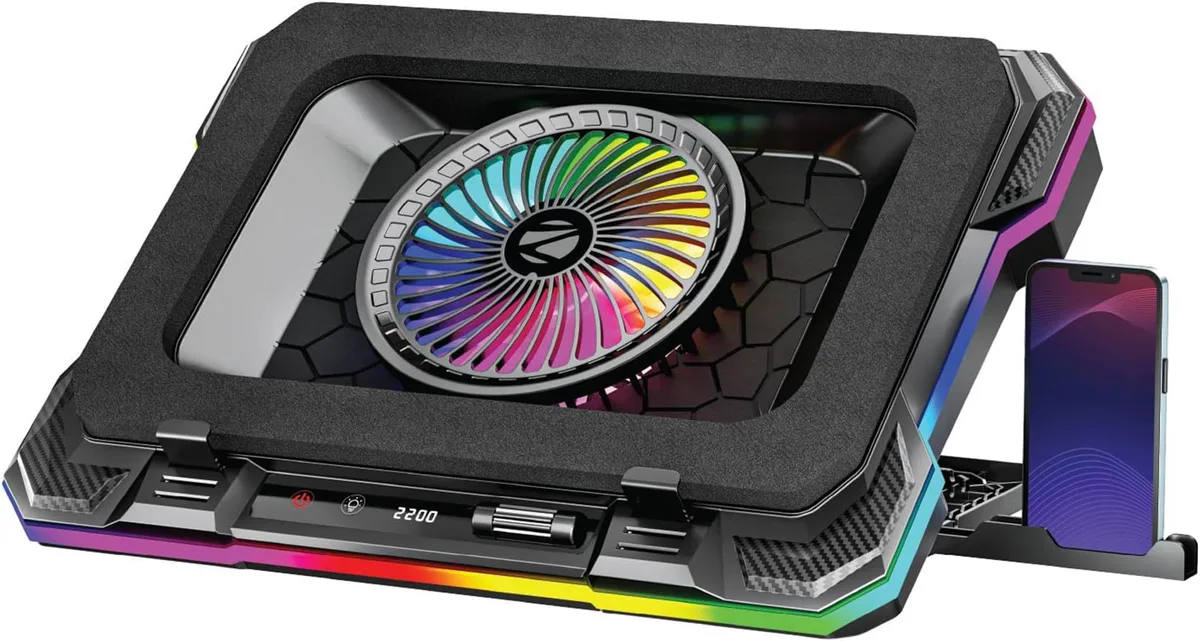
Image source: Web (Bing) / amazon.in (Web image (fair-use with source credit))
200mm fans are built for high-heat, stationary use cases. They deliver enough airflow to prevent thermal throttling on 15, 17 inch gaming and creator laptops. If you run sustained workloads like AAA gaming for 2+ hour sessions or 4K video editing, 200mm fans are the only option that will keep your temps in check.
Users who keep their laptop on a single desk 90% of the time will get the most value from 200mm fans, as their size and weight don’t matter for stationary use. Frequent travelers, users with 13, 14 inch ultrabooks, and anyone with limited desk space should skip 200mm pads entirely.
Common Costly Mistakes When Picking Between 140mm and 200mm Cooling Pad Fans
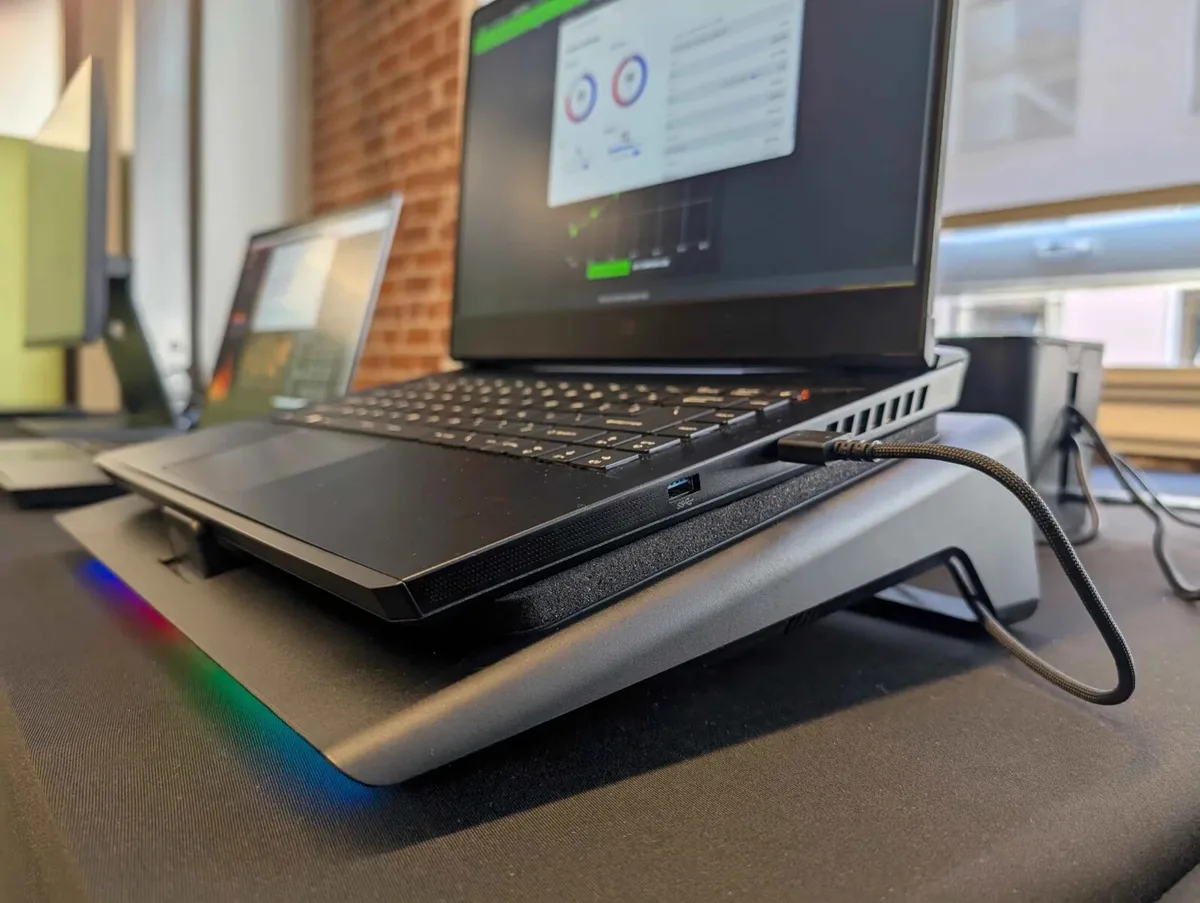
Mismatching fan size to your laptop is the most common (and expensive) mistake buyers make. A 200mm pad on a 13-inch ultrabook overhangs the chassis by 2, 3 inches on each side. This makes the pad slide off when you type, and the laptop’s edge blocks airflow from the fans.
Buying 140mm fans for a high-TDP gaming laptop to save $10 is another common error. You’ll still hit thermal throttling during heavy use, and sustained heat exposure shortens your laptop’s battery and component lifespan by 20% per aggregate repair shop data.
Image source: Web (Bing) / netcodex.ph (Web image (fair-use with source credit))
Ignoring USB power limits is a third costly mistake. Dual 200mm fan arrays draw up to 16W total, which exceeds the 4.5W output of standard USB 3.0 ports without USB BC 1.2 support. This leads to underpowered fans that don’t spin at full speed, or even port damage over time.
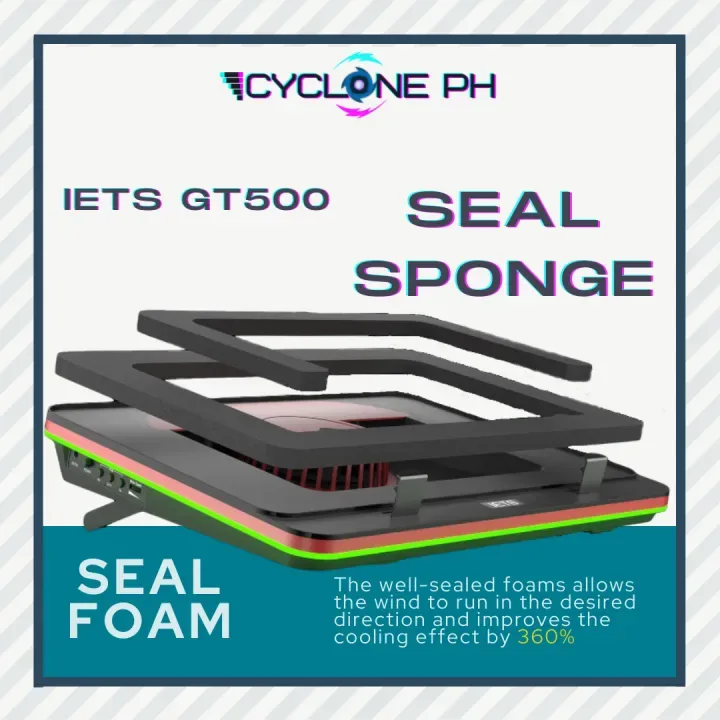
Placing either fan size on soft surfaces like beds or couches blocks 40% of intake airflow, per IEEE cooling pad efficacy research. This raises internal laptop temps by 5, 10°C even with fans running at max speed. Finally, buying the cheapest option without checking bearing type leads to early failure.
Sleeve bearings in budget fans wear out after 1, 2 years of heavy use, while ball bearing models last 5+ years.
Expert Tips to Get the Most Out of Your Chosen Cooling Pad Fan Size
A few small adjustments will make your chosen fan size perform far better. First, measure your laptop’s base before buying. Use a ruler to check the length and width of your laptop’s bottom surface, then confirm the cooling pad’s fan array sits entirely within those dimensions.
No overhang means stable placement and full airflow coverage across your laptop’s heat-generating components. Second, verify USB BC 1.2 support if you’re buying a 200mm dual fan pad. Most laptops made after 2018 support this standard, but older models only supply 4.5W per USB port, which can’t power high-draw 200mm arrays.
Third, adjust fan speed to match your workload. Use the lowest speed that keeps your laptop under 85°C under load. This cuts noise and reduces power draw without sacrificing cooling performance.
Fourth, clean fan blades every 3, 6 months with compressed air. Dust buildup can reduce CFM output by 30% in as little as 6 months, per manufacturer maintenance guidelines. Finally, always use your cooling pad on a hard, flat surface.
Soft surfaces block intake airflow and can cause the pad itself to overheat, reducing its lifespan by 2, 3 years.
2-Minute Decision Guide: Pick the Right Fan Size for Your Laptop and Lifestyle
If you’re still unsure which fan size to pick, this 2-minute decision flow will narrow it down fast. Start with your laptop size: if you have a 13, 14 inch laptop, proceed to step 2. If you have a 15, 17 inch laptop, 200mm fans are the right default choice, skip to step 4.
Step 2: Check your laptop’s TDP. If it’s under 45W (most ultrabooks, Chromebooks, and light office laptops), 140mm fans are the perfect fit. If it’s over 45W (high-performance 14-inch gaming or creator laptops), proceed to step 3.
Step 3: Check your portability needs. If you travel with your laptop 2+ days a week, look for a mixed fan size pad (1x200mm + 2x140mm) as a middle ground. If you keep your laptop at a desk most of the time, upgrade to 200mm fans.
Step 4: Check your typical workload. If you only browse, stream, or do light office work, 140mm is sufficient even for 15-inch laptops. If you game for 1+ hour sessions, edit 4K video, or run 3D renders, 200mm fans are non-negotiable.
Final rule of thumb: if your laptop hits 90°C or higher under load, you need 200mm fans. If it stays under 80°C, 140mm is more than enough. As of 2026, mixed fan size pads are widely available for 15-inch laptops that don’t need full 200mm coverage, giving you a flexible middle option if neither standard size feels right.
Frequently Asked Questions
Can I use a 140mm cooling pad on a 15-inch laptop?
Yes, if your 15-inch laptop has a TDP under 45W and you only use it for light tasks like browsing or streaming. For gaming or video editing with TDP over 45W, 140mm fans won’t move enough air to prevent thermal throttling. Always check your laptop’s TDP first.
Are 200mm cooling pad fans always quieter than 140mm fans?
Not always. 200mm fans run quieter than 140mm fans when moving the same amount of air, but cheap 200mm models with poor bearings can be louder at max RPM. Always check dBA ratings and bearing type (ball bearing lasts longer and runs quieter) before buying.
Do cooling pad fan sizes affect laptop battery life?
Yes. 140mm fans draw 2, 5W each, while 200mm fans draw 3, 8W each. Dual 200mm arrays can draw up to 16W total, which will drain your laptop battery faster if you’re not plugged in. Stick to 140mm fans if you need maximum unplugged runtime.
Can I mix 140mm and 200mm fans on the same cooling pad?
Yes, mixed fan size pads are widely available as of 2026, and they’re a great middle ground for 15-inch laptops with medium heat output. The 200mm fan handles high-heat areas like the CPU/GPU, while 140mm fans cover cooler zones to balance airflow and noise.
How do I know if my cooling pad fan size is too small?
If your laptop hits 90°C or higher under load, or if you notice consistent thermal throttling (stutters, frame drops, slow render times), your fan size is too small. Use a free tool like HWMonitor to check temps under heavy use, and upgrade to a larger fan size if temps stay above 85°C.

Similar Posts